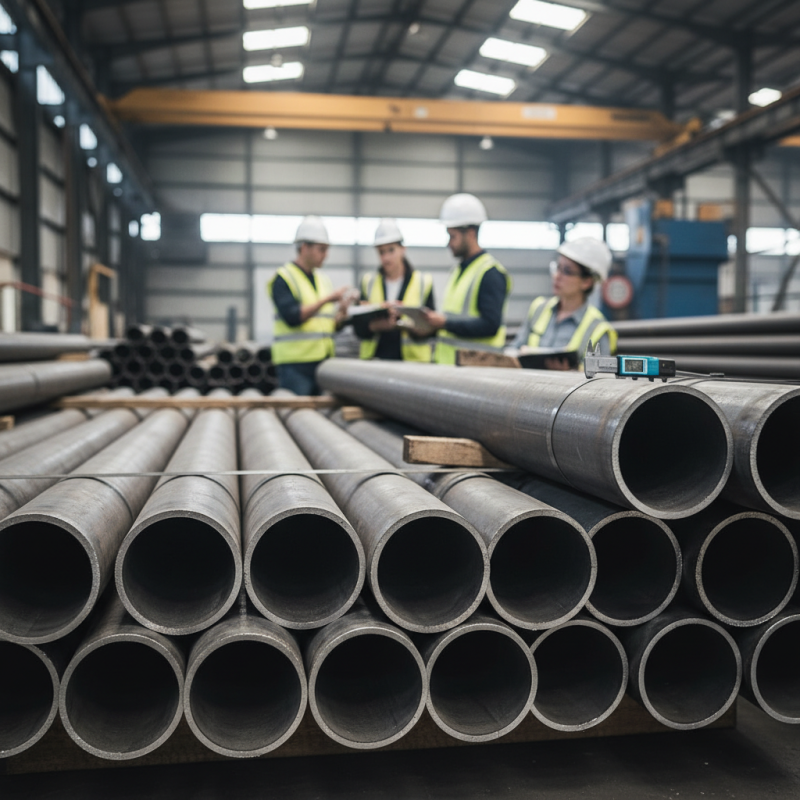
2026 Best Carbon Steel Pipe Erw for Global Buyers Guide?
The global market for Carbon Steel Pipe Erw is evolving rapidly. Experts like Dr. Emily Carter, a renowned materials scientist, emphasize, "The quality of Carbon Steel Pipe Erw directly impacts its application effectiveness." This statement highlights the importance of selecting the right products for various projects.
In recent years, the demand for Carbon Steel Pipe Erw has surged, driven by infrastructure development and energy sectors. Buyers are increasingly discerning and seek reliable suppliers. Understanding quality, specifications, and pricing is crucial in making informed purchasing decisions.
However, not all suppliers meet industry standards. Some offer lower-quality products that may compromise structural integrity. It’s imperative for buyers to conduct thorough research and validate supplier credentials. Navigating the complexities in this market requires expertise, attention to detail, and a commitment to quality.
Overview of Carbon Steel ERW Pipes and Their Applications
Carbon steel ERW (Electric Resistance Welded) pipes provide a multitude of applications across various industries. These pipes are popular in construction, oil and gas, and water supply systems. According to recent market research, the global carbon steel pipe market is projected to reach a value of over $150 billion by 2026, driven by rising infrastructure needs. Despite their strength, ERW pipes can present challenges related to corrosion. Choosing the right protective coating is crucial to enhancing their longevity.
In the oil and gas sector, carbon steel ERW pipes are often used for transporting fluids. They can handle pressures up to 1,500 psi. However, the choice of wall thickness is pivotal in ensuring safety and reliability. Reports indicate that approximately 30% of pipeline failures are due to insufficient thickness. Addressing this issue requires careful consideration of manufacturing standards and maintenance routines. Furthermore, compliance with industry regulations is vital.
Researchers emphasize the need for continuous monitoring of ERW pipelines, especially in critical applications. Regular inspections can prevent costly failures. Yet, many companies overlook this aspect, potentially leading to significant operational risks. Emerging technologies, such as smart sensors, are becoming invaluable for real-time monitoring. Adopting these innovations could significantly improve pipeline safety and efficiency in the long run.
Key Benefits of Using Carbon Steel ERW Pipes in Various Industries
Carbon steel ERW (Electric Resistance Welded) pipes offer numerous advantages across various industries. Their strength and flexibility make them ideal for construction and infrastructure projects. The cost-effectiveness of carbon steel also attracts manufacturers looking to optimize budgets without compromising quality.
One key benefit of using carbon steel ERW pipes is their resistance to high pressures. This quality is essential in sectors like oil and gas. Additionally, these pipes are versatile in applications such as water transport and structural support. The durability of carbon steel leads to longer service life, reducing the frequency of replacements.
Tips: Ensure proper sourcing of these materials. Check for certifications and compliance with industry standards. Regular maintenance is also crucial for extending the lifespan of ERW pipes. Monitor for corrosion or wear, as neglecting these aspects can lead to failures. Always consult with experts for advice tailored to specific applications.
Factors to Consider When Selecting Carbon Steel ERW Pipes
When selecting carbon steel ERW pipes, buyers must evaluate several crucial factors. The intended application plays a vital role in the decision-making process. Different projects require various specifications, such as dimensions, wall thickness, and strength properties. Understanding these requirements is essential for optimal performance.
Quality standards are another significant consideration. Standards may vary depending on the industry. Buyers should verify that the pipes meet necessary certifications and guidelines. This reflects the reliability and durability of the product in the long run.
Additionally, examining the supplier's reputation is critical. Not all manufacturers adhere to strict quality control. Researching their background can reveal insights into their reliability. It's also wise to review customer feedback. This information can provide a clearer picture of the manufacturer's credibility. Many buyers overlook these details, leading to potential issues down the road.
Top Manufacturers and Brands of Carbon Steel ERW Pipes in 2026
When it comes to sourcing carbon steel ERW pipes, buyers should focus on quality and reliability. In 2026, the market will feature several top manufacturers and brands for global buyers. Understanding these options can greatly enhance procurement efficiency.
Finding the right supplier is crucial. Buyers should look for companies that have proven expertise in the carbon steel industry. Checking certifications and industry standards ensures the pipes meet global requirements. Many buyers overlook this step, which can lead to costly mistakes.
Tips: Consider asking for samples before making large orders. Evaluate the supplier's production processes. This can reveal insights into their commitment to quality. Also, staying informed about market trends can help buyers negotiate better terms. Educate yourself on common specifications and performance standards. This knowledge will empower better decision-making.
Future Trends and Innovations in Carbon Steel ERW Pipe Production
Carbon steel ERW (Electric Resistance Welded) pipes are evolving rapidly. Innovations in production techniques are critical in meeting global demand. The market for these pipes is projected to grow at a rate of 5.4% annually through 2027. This growth is driven by increased infrastructure investments and the demand for reliable piping solutions.
Recent trends indicate a shift towards more sustainable production methods. Manufacturers are integrating advanced technologies like automation and AI. These methods enhance precision and reduce waste. However, the industry faces challenges, such as fluctuating raw material costs and environmental regulations. Overcoming these obstacles requires both innovation and a commitment to sustainability.
Research from the Global Steel Pipe Association shows that ERW pipes are expected to dominate in special applications. High-strength and corrosion-resistant variations are becoming popular. Yet, not all companies adapt quickly. Some still rely on outdated methods. This highlights a need for continuous improvement and responsiveness in production strategies. The focus should remain on efficiency while addressing environmental concerns.
2026 Best Carbon Steel Pipe ERW for Global Buyers Guide
| Dimension (Inches) | Wall Thickness (mm) | Length (m) | Weight (kg/m) | Production Innovation |
| 2 | 2.0 | 6 | 6.88 | Automated Welding Technology |
| 3 | 2.5 | 6 | 8.42 | Heat Treatment Processes |
| 4 | 3.0 | 6 | 10.29 | Advanced Coating Techniques |
| 5 | 5.0 | 6 | 12.75 | Recyclable Materials Integration |
| 6 | 6.0 | 6 | 15.88 | Smart Manufacturing Systems |