2026 Best Large Display Tablet for Global Buyers Insights?
In today's digital age, the demand for **Large Display Tablets** is growing rapidly. According to a recent report by Grand View Research, the global tablet market is expected to reach $150 billion by 2026. Consumers seek devices that offer larger screens for enhanced productivity and better viewing experiences. This trend is particularly noticeable among professionals and students who require versatile devices for work and education.
Moreover, the growing emphasis on remote work and online learning has driven interest in **Large Display Tablets**. These devices provide ample screen space, essential for multitasking and following virtual classes. Research from Statista indicates that sales of tablets with large displays increased by 30% in 2022 alone. As users recognize their advantages, the market continues to adapt to these needs.
Nonetheless, it is crucial to reflect on the challenges that come with using **Large Display Tablets**. With such a wide array of products available, finding the right fit can feel overwhelming. Not all devices offer the same quality or durability. It's important for buyers to research and consider their specific needs carefully. Balancing features and price remains an ongoing concern, highlighting the importance of informed purchasing decisions in this dynamic market.
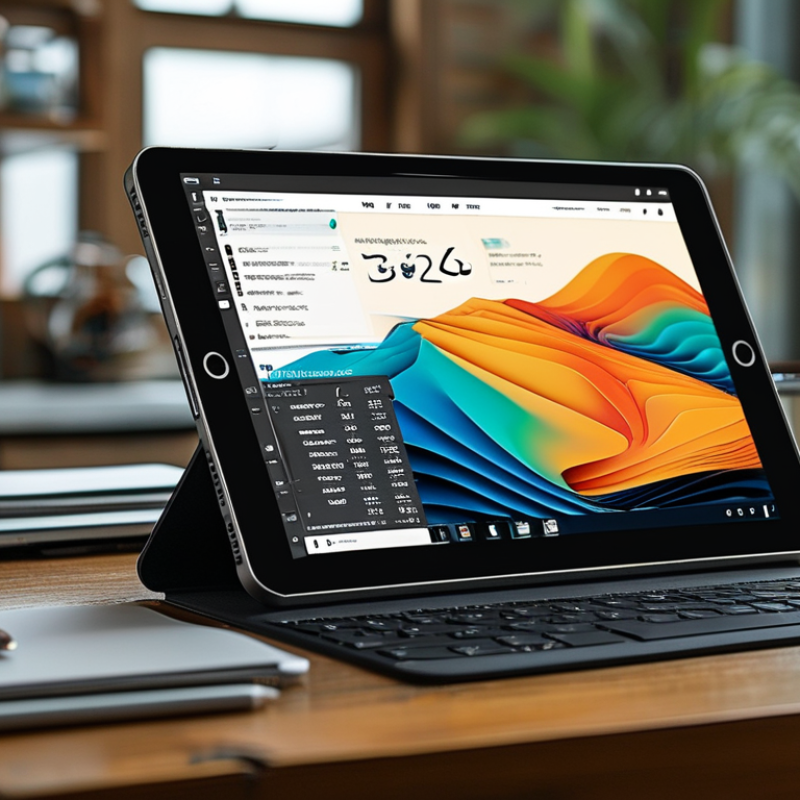
Key Features to Consider in a Large Display Tablet for 2026
When considering a large display tablet for 2026, several key features come into play. One significant aspect is the display quality. High resolution is crucial for tasks like graphic design or gaming. A bright and vivid screen enhances user experience, making content easier to consume.
Battery life is another essential consideration. A tablet that lasts all day without frequent recharging adds considerable value. For professionals, this means uninterrupted productivity. For casual users, it equates to more flexibility and enjoyment while streaming or browsing.
Moreover, the tablet's ecosystem matters as well. Availability of apps, ease of integration with other devices, and software support can dictate user satisfaction. Users often face challenges in finding apps that utilize large screens effectively. Therefore, robust app support is vital.
Lastly, weight and portability should not be underestimated. Tablets that are easy to carry but still offer a large screen can make a significant difference. It’s about finding the balance between usability and convenience, ensuring users can adapt to their varied needs. Choosing wisely requires careful consideration of these factors.
Comparative Analysis of Leading Large Display Tablets in 2026
In 2026, the market for large display tablets is bustling with options. Buyers seek devices that merge functionality with design. The display quality and resolution play vital roles. A crystal-clear screen enhances productivity for creatives and professionals alike. Brightness levels are crucial for outdoor use, especially under direct sunlight.
Battery life remains a challenge. Some tablets last a day, while others struggle after just a few hours. Users often express frustration when devices do not keep up with their on-the-go lifestyles. Moreover, weight and portability affect user experience. Heavier tablets may offer better performance, but they can be cumbersome.
User interfaces are also noteworthy. A seamless experience boosts efficiency but varies significantly among models. Some might excel in a specific task, yet falter in versatility. Communication among app ecosystems is still not flawless; this can hinder seamless workflow. Buyers must weigh these factors carefully when choosing the right tablet.
2026 Best Large Display Tablets Comparative Analysis
User Experience and Performance Metrics for Large Tablets
As large display tablets gain traction among global users, their user experience and performance metrics are crucial. According to a recent IDC report, 38% of users prioritize screen size when choosing a tablet, making it a key factor in consumer decision-making. A larger display enhances viewing pleasure and allows for multitasking. However, many users report that app optimization for larger screens still lags. This inconsistency can lead to frustration with navigation and usability.
Performance metrics also highlight areas for improvement. A survey by Statista shows that apps frequently crash on larger tablets, with nearly 25% of users experiencing this issue regularly. When considering battery life, users often find that larger screens consume more power, affecting usage time. While some tablets boast battery longevity, the trade-off with performance can discourage extended use. Understanding these nuances helps manufacturers refine designs and enhance user satisfaction.
Moreover, the weight of large tablets is often overlooked. Users expect portability, yet many models can be cumbersome. This creates a barrier for on-the-go professionals and casual users alike. More ergonomic designs could significantly improve user experience, but only if they don't compromise on screen size or performance. As manufacturers address these challenges, insights from user feedback will be essential for future innovations.
Global Market Trends Impacting Large Display Tablet Choices
The large display tablet market is evolving rapidly, driven by changing user preferences and global trends. Many buyers seek tablets with larger screens for enhanced productivity, entertainment, and gaming experiences. As remote work and online learning become mainstream, demand increases for devices that support multitasking and long hours of use. Users value extended battery life and ergonomic designs, which allow for comfortable usage over time.
Another key trend is the integration of advanced technology, such as improved graphics and processing power. This shift caters to creative professionals who rely on larger displays for graphic design, video editing, and virtual collaboration. However, price sensitivity remains a pressing factor for many consumers. Buyers often weigh the benefits of large screens against affordability.
The sustainability movement is also influencing tablet choices. There is a growing focus on eco-friendly materials and energy-efficient devices. Companies are being pushed to showcase their environmental credentials. It’s noteworthy that not all brands respond effectively to these demands, which creates confusion among buyers. Shoppers face the challenge of navigating a complex landscape filled with varying standards and claims.
Future Innovations in Large Display Tablet Technology and Design
The future of large display tablets is poised for exciting innovations. As technology advances, we anticipate more flexible screens. These screens could adapt to various environments, providing users with tailored experiences. Lightweight and ultra-slim, these devices may redefine portability, making them essential tools for digital nomads.
In addition to hardware advancements, software will play a crucial role. Enhanced user interfaces will leverage artificial intelligence to understand user habits. This can lead to seamless multitasking and improved productivity. Moreover, the integration of augmented reality features might become standard, allowing users to layer information over the physical world.
Challenges remain in design and user experience. Balancing size with usability is critical. Larger displays can feel cumbersome, leading to fatigue. Designers must focus on ergonomics to ensure comfort during extended use. Feedback from real users will be integral in shaping future models. Customers need to communicate their experiences openly to help refine evolving technology.
2026 Best Large Display Tablet for Global Buyers Insights
| Model | Screen Size (inches) | Resolution | Battery Life (hours) | Weight (lbs) |
| UltraTab A1 | 12.9 | 2800 x 1752 | 15 | 1.5 |
| MaxDisplay Pro | 14.5 | 3000 x 2000 | 12 | 1.7 |
| CreativeSlate Z2 | 13.3 | 2560 x 1600 | 10 | 1.6 |
| Visionary Tab X | 15.0 | 3200 x 1800 | 14 | 1.9 |
| NextGen Pad B3 | 12.4 | 2560 x 1600 | 11 | 1.4 |