What is 321 Stainless Steel and Why is it Important for Buyers?
321 Stainless Steel is a versatile alloy known for its heat resistance and corrosion resistance. It finds extensive application in various industries, including aerospace, automotive, and chemical processing. According to industry expert Dr. Emily Chen, “321 Stainless Steel offers superior stability and durability, making it ideal for high-temperature environments.” Buyers must understand its unique properties to make informed decisions.
This stainless steel is primarily composed of chromium and nickel, which enhances its resistance to oxidation. Its titanium content provides additional strength, crucial in situations where temperature fluctuations occur. However, not all buyers recognize the potential drawbacks. Some may find it difficult to weld effectively without proper techniques.
Understanding 321 Stainless Steel's capabilities is essential for any buyer. Investing in materials that meet specific needs can prevent future problems. With this knowledge, buyers can ensure that they select the right alloy for their applications, balancing performance and cost. Insight from experts like Dr. Chen underscores the importance of informed selections in today’s competitive market.
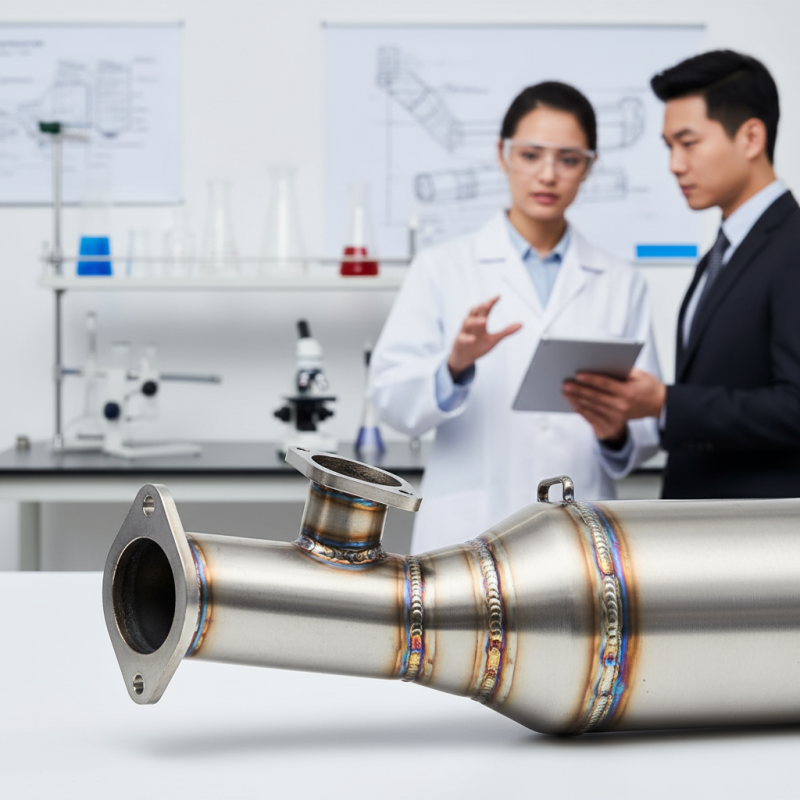
What is 321 Stainless Steel?
321 stainless steel is a high-performance alloy known for its excellent resistance to corrosion and high temperatures. It contains titanium, which helps stabilize the structure and reduces the risk of sensitization during welding. This makes it a preferred choice for applications involving extreme environments, such as aerospace and chemical processing.
According to a 2022 report by the American Iron and Steel Institute, 321 stainless steel shows superior strength compared to other grades. It performs well in temperatures up to 1000°F (537°C). This property is crucial for industries that operate under such conditions. The alloy’s resistance to scaling is also a significant advantage.
However, some industry professionals have noted limitations in 321 stainless steel. For instance, while it excels in many environments, it may not be the best choice for chloride-rich atmospheres, where pitting corrosion can occur. Understanding these nuances is essential for buyers. Selecting the right stainless steel grade requires awareness of these performance metrics.
Key Properties of 321 Stainless Steel
321 stainless steel is an alloy known for its unique properties. It contains titanium, which enhances its resistance to corrosion. This feature is crucial in harsh environments, particularly in the aerospace and chemical industries. Buyers appreciate its durability, making it a popular choice for critical applications.
The thermal stability of 321 stainless steel is another key aspect. It can withstand high temperatures without losing strength. This quality is essential for industries that operate at elevated temperatures. Additionally, it has good weldability, allowing for versatile applications. However, welding requires specific techniques to avoid issues like intergranular corrosion.
Despite its advantages, 321 stainless steel is not perfect. It may suffer from stress corrosion cracking in certain environments. Buyers need to assess their specific needs carefully. Understanding the limitations can lead to better decision-making. Ultimately, the right choice balances performance, cost, and application requirements.
Key Properties of 321 Stainless Steel
Applications of 321 Stainless Steel in Various Industries
321 Stainless Steel is a versatile alloy known for its excellent resistance to high temperatures and corrosion. It is widely used in various industries due to these properties. In the aerospace sector, 321 Stainless Steel is employed in exhaust systems and structural components. Its ability to perform well in elevated temperatures makes it a preferred choice for aircraft engines.
In the chemical processing industry, 321 Stainless Steel serves well in pipelines and storage tanks. It withstands harsh chemicals and maintains structural integrity. Similarly, in the oil and gas sector, this alloy's exceptional strength and corrosion resistance make it suitable for rig components.
Tips: When selecting 321 Stainless Steel, consider the specific application and environment. Proper alloy selection can enhance longevity and performance. Always consult with a material expert for the best advice.
Another crucial point is maintenance. Regular inspection can help identify any weakness early on. Over time, even high-quality materials may face degradation. Understanding this can help optimize usage and reduce costs.
Benefits of Choosing 321 Stainless Steel for Buyers
321 stainless steel is a versatile alloy known for its excellent corrosion resistance and high-temperature strength. It contains titanium, which enhances its stability and prevents carbide precipitation during welding. This makes 321 stainless steel a preferred choice for projects requiring durability and reliability, especially in high-heat environments.
When considering materials, buyers should prioritize the long-term benefits of using 321 stainless steel. Its ability to withstand oxidation at elevated temperatures is crucial in industries like aerospace and chemical processing. It maintains structural integrity, ensuring safety and performance over time. Furthermore, the resistance to sulfide stress cracking makes it ideal for harsh environments.
Tip: Always assess the specific conditions in which the material will be used. Evaluating environmental factors can help determine if 321 stainless steel is the right choice for your project.
Another benefit is its ease of fabrication. Unlike some other stainless steels, 321 stainless steel can be easily shaped and welded. However, keep in mind that improper welding techniques can lead to issues. It's essential to consult with experts or refer to industry standards.
Tip: Investing in quality workmanship is vital. Ensure your team is knowledgeable about the best practices for working with 321 stainless steel. This will help mitigate risks and enhance the overall project outcomes.
Factors to Consider When Purchasing 321 Stainless Steel Products
When considering the purchase of 321 stainless steel products, it's essential to evaluate key factors. 321 stainless steel, an alloy with titanium stabilization, offers excellent corrosion resistance and high-temperature stability. This alloy is particularly favored in industries such as aerospace and chemical processing. According to a recent market report, the global stainless steel market is projected to reach $250 billion by 2025, highlighting its significant role in various applications.
Buyers should assess the heat resistance criteria of 321 stainless steel. It can withstand temperatures up to 1500°F without losing strength. This aspect is crucial for applications in environments with thermal stress. Moreover, the alloy's ability to resist intergranular corrosion under the right conditions ensures long-term durability. Understanding the mechanical properties, such as yield strength and tensile strength, will aid in making informed decisions. The characteristics of this alloy can vary based on the manufacturing processes used.
Another consideration is the sourcing of 321 stainless steel. Reliable suppliers should provide certifications that confirm the material's composition and mechanical properties. It's important to ensure the quality of the product meets industry standards. Knowing how to scrutinize suppliers can help avoid subpar products that might compromise structural integrity. Thus, thorough research and careful evaluation are key to making a successful purchase in this competitive market.
What is 321 Stainless Steel and Why is it Important for Buyers?
| Property | Description |
| Chemical Composition | Iron, Nickel (9-12%), Chromium (17-19%), Titanium (5 times Carbon percentage) |
| Corrosion Resistance | Good oxidation resistance in high-temperature environments, excellent resistance in sulfuric and phosphoric acids. |
| Applications | Used in aircraft, chemical processing, and industrial applications, especially where high temperatures are involved. |
| Welding | Excellent weldability with little need for post-weld treatments. |
| Heat Resistance | Maintains strength and resistance to oxidation up to 900°C. |
| Considerations for Purchase | Check for compliance with standards, ensure the right grade is suitable for your application, review supplier credibility. |