Flexible PCB Board Advantages for Global Buyers?
In today's competitive global market, understanding the advantages of flex PCB boards is pivotal for manufacturers and buyers alike. Renowned expert Dr. John Smith, a leader in flexible electronics, stated, "Flex PCB boards offer unmatched design flexibility that can reshape product innovation." This insight highlights how these boards have transformed the electronics landscape.
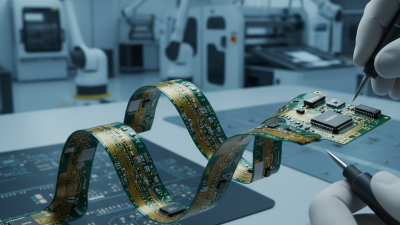
Flex PCB boards are thinner and lighter than traditional options. Their ability to bend and fit into tight spaces is increasingly valuable in consumer electronics. This adaptability doesn’t come without challenges. Manufacturers must consider cost, production methods, and durability.
The evolution of flex PCB boards reflects the industry's needs for efficiency and versatility. Buyers benefit from designs that enhance their products’ functionality. However, navigating the complex supply chain and material choices requires careful consideration. As demand grows, so do the obstacles in ensuring quality and performance standards.

Advantages of Flexible PCB Boards in Modern Electronics
Flexible PCB boards have become a cornerstone in modern electronics. Their unique construction allows them to fit into tight spaces, making them ideal for compact devices like smartphones and wearables. The lightweight nature of these boards adds to their appeal, enabling manufacturers to create sleek products without sacrificing performance. Engineers often appreciate the versatility that these boards offer.
The adaptability of flexible PCBs also leads to enhanced design freedom. Colors and shapes can vary greatly, allowing for innovative designs. High-density interconnections are possible, which contributes to better signal integrity. This can be particularly beneficial in high-frequency applications. However, transitioning to flexible PCBs poses challenges, such as higher initial costs and complexities in design.
Manufacturers need to navigate these hurdles carefully. While the benefits are clear, some may underestimate the learning curve associated with this technology. Reliable suppliers and adequate training are crucial for successful implementation. Overall, flexible PCBs represent both opportunity and complexity in the evolving landscape of electronics.
Flexible PCB Board Advantages for Global Buyers
| Advantage |
Description |
Application Areas |
Key Market Trends |
| Space Saving |
Flexible PCBs can be bent and twisted, allowing for compact designs. |
Consumer Electronics, Wearable Devices |
Increasing demand for miniaturized electronic products. |
| Durability |
Resistant to vibration and mechanical stress which prolongs lifespan. |
Automotive, Aerospace, Medical Devices |
Growing trends towards rugged electronic applications. |
| Design Flexibility |
Can be designed in various shapes and sizes to fit specific needs. |
Smartphones, Tablets, IoT Devices |
Emergence of smart devices requiring innovative designs. |
| Reduced Weight |
Lightweight materials lead to a decrease in overall product weight. |
Drones, Portable Technology |
Advancements in portable technology pushing for weight reduction. |
| Cost Efficiency |
Long-term savings by reducing assembly costs and improving production efficiency. |
Mass Production for Consumer Goods |
Rising focus on cost-effective manufacturing processes. |
Cost-Effectiveness of Flexible PCBs for Global Buyers
Flexible PCBs (Printed Circuit Boards) are gaining traction for their cost-effectiveness. According to a recent report from the IPC Association, the demand for flexible PCBs has surged, with a projected growth rate of 9% annually through 2025. This trend is largely driven by the electronics sector, where the need for lightweight and space-saving designs is paramount.
One significant advantage lies in the manufacturing process. Flexible PCBs can often be produced in larger batches, reducing unit costs. A study from MarketsandMarkets noted that flexible PCBs could save up to 20% on production compared to traditional rigid boards. These savings stem from decreased material waste and lower shipping costs. Moreover, their ability to fit into compact spaces minimizes the need for additional components.
However, there are challenges. Flexible PCBs can face higher initial design costs. This can deter some buyers. Companies must weigh these upfront expenses against potential long-term savings. Testing and production timelines may also be longer due to the specialized technology and materials involved. It’s essential to consider these factors when assessing the overall cost-effectiveness of adopting flexible PCBs.
Design Flexibility and Space Optimization with Flexible PCBs
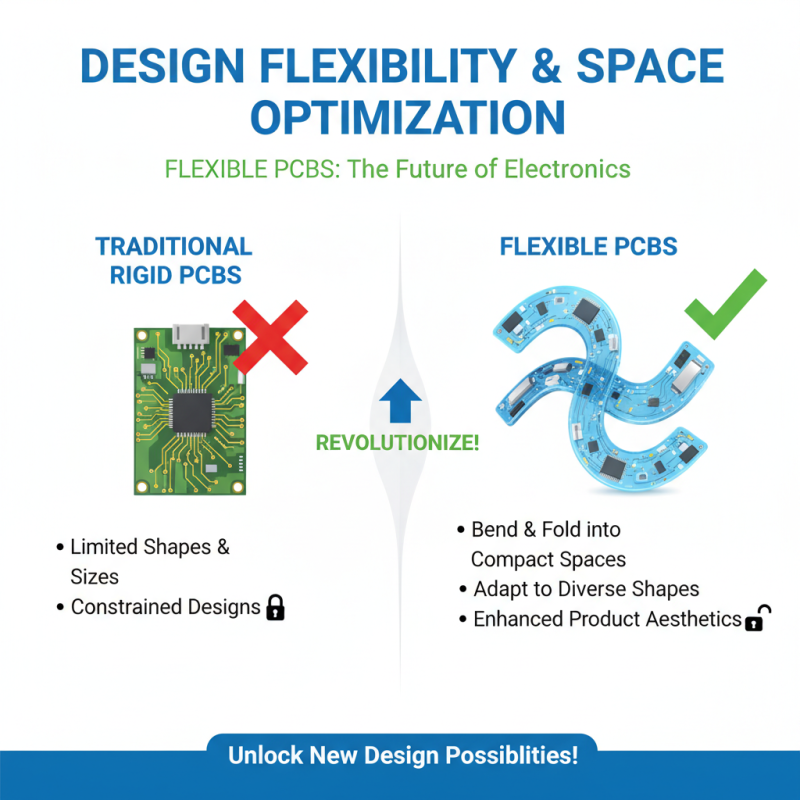
Flexible PCBs revolutionize electronic design. Their unique ability to bend and fit into compact spaces makes them a game-changer. Traditional rigid boards often limit design possibilities. With flexible PCBs, size constraints fade. They adapt to diverse shapes, enhancing product aesthetics.
Space optimization is another compelling benefit. In crowded devices, like smartphones and wearables, every millimeter counts. Flexible printed circuit boards maximize usage without sacrificing functionality. Designers can create thinner, lighter products. This leads to improved battery efficiency as well. However, it's essential to balance flexibility with durability. Engineers must consider material choices carefully.
Yet, this innovation isn't without challenges. Manufacturing flexible PCBs requires specialized techniques. This can lead to increased costs and complexities. Designers must navigate these hurdles to fully leverage the advantages. Understanding the limitations is crucial. Embracing mistakes and failures in the design process can drive improvement. Adapting to feedback is vital for success in this evolving field.
Durability and Reliability Benefits of Flexible PCB Technology
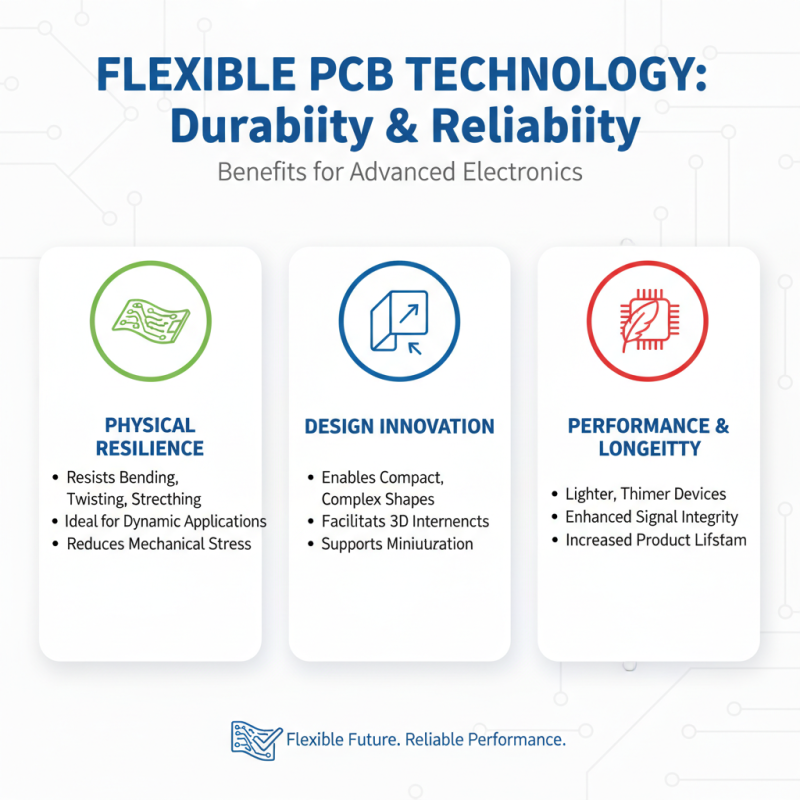
Flexible PCB technology offers significant durability and reliability advantages. Unlike rigid boards, flexible PCBs can withstand bending, twisting, and even stretching. This flexibility allows for innovative designs in compact spaces. Products can now adopt forms that were previously impossible. As a result, manufacturers can create lighter and thinner devices without sacrificing performance.
When considering flexible PCBs, manufacturers should ensure optimal material selection. Different materials affect reliability and lifespan. Testing each design prototype thoroughly is crucial. Early detection of potential failures can save costs and time later in the production process.
**Tip:** Always check the thermal stability of the materials used in flexible PCBs. This can prevent failures in high-temperature environments.
Moreover, the connection points of flexible PCBs can be more prone to stress. Regular reviews of stress points in designs are essential. Implementing a robust testing phase helps identify weaknesses before mass production.
**Tip:** Consider using simulation software to predict performance under various conditions. This step can minimize risks significantly. Flexibility in design must be balanced with reliability for long-lasting products.
Applications of Flexible PCBs Across Various Industries
Flexible printed circuit boards (PCBs) have become essential in various industries due to their unique properties. They are lightweight, thin, and highly adaptable. Flexible PCBs can be bent and twisted, enabling designs that traditional rigid boards can't achieve. Their applications span across consumer electronics, automotive industries, and medical devices. In consumer electronics, they play a crucial role in smartphones and wearables, enhancing functionality and design.
In the automotive industry, flexible PCBs contribute to reducing vehicle weight and improving energy efficiency. They support advanced features like sensors and infotainment systems. Similarly, in medical devices, these PCBs allow for innovative designs in wearables and surgical instruments, enhancing patient care and monitoring.
**Tip:** When considering flexible PCBs, focus on the specific requirements of your project. Assess factors such as temperature resistance and bend radius to ensure optimal performance. Another factor to consider is the environmental impact; flexible PCBs can be designed to minimize waste during production.
It's crucial to remember that while flexible PCBs provide advantages, they may not suit every project. The manufacturing process can be complex. Therefore, a clear understanding of the application and potential limitations is essential. Evaluate costs and lead times carefully before proceeding.
Flexible PCB Board Applications Across Various Industries
This chart illustrates the applications of Flexible PCBs in various industries, highlighting the percentage of usage based on recent market research.