What are the Benefits of Rigid PCB for Global Buyers?
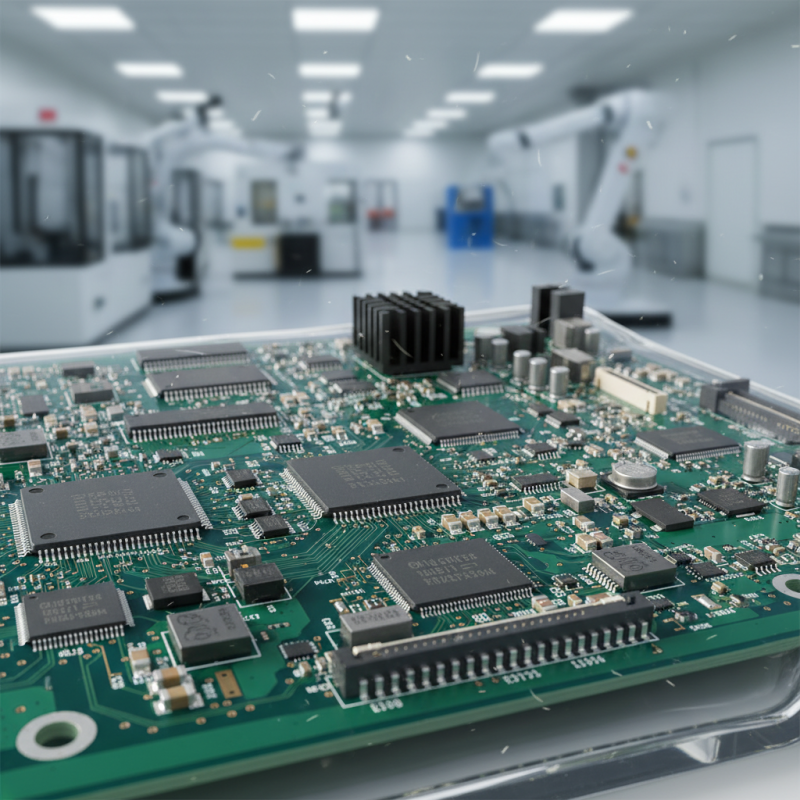
In today's fast-paced electronics market, rigid PCB has emerged as a popular choice among global buyers. With its robust design, rigid PCB offers numerous advantages that enhance performance and longevity. Many manufacturers appreciate its reliability, especially in demanding applications. This type of printed circuit board is built to withstand environmental stresses.
However, the specific needs of each project must be considered. While rigid PCB provides strong structural support, this may limit flexibility in some designs. Buyers must weigh the pros and cons carefully. Understanding the unique benefits of rigid PCB can lead to informed decisions, ensuring product success. Therefore, knowing how it meets various industrial standards is crucial for a successful purchase.
Benefits of Rigid PCBs for Global Buyers
Rigid PCBs offer several advantages for global buyers. Their robust construction ensures durability, making them suitable for demanding environments. This is particularly relevant in industries such as automotive and aerospace. These sectors require reliable performance under stress, and rigid PCBs excel in this area.
Cost-effectiveness is another key benefit. While initial investments may seem high, the longevity of rigid PCBs leads to lower long-term costs. They are less prone to damage and therefore reduce replacement expenses. Many manufacturers appreciate this cost balance, especially in competitive markets.
However, there are aspects for buyers to reflect on. Rigid PCBs are less flexible than their flexible counterparts. This limits their application in certain designs. Buyers need to assess their specific needs before deciding. Balancing between flexibility and durability is crucial for optimized product performance. Ultimately, understanding these nuances can guide buyers toward better decisions in PCB selection.
Cost-Effectiveness of Rigid PCBs in Manufacturing
Rigid PCBs offer significant cost-effectiveness in manufacturing, making them appealing to global buyers. Their simpler designs reduce production expenses. Material costs for rigid PCBs are often lower than for their flexible counterparts. This is particularly useful for businesses looking to cut down on budget without compromising quality.
Streamlined assembly also contributes to cost savings. With fewer components and straightforward designs, the assembly process becomes faster. This leads to reduced labor costs. However, potential downsides exist. For instance, rigid PCBs may limit design flexibility compared to flexible PCBs. They can be challenging to fit into compact or intricate device designs.
Another aspect to consider is scalability. Rigid PCBs can easily be mass-produced, ensuring consistent quality. Yet, initial setup costs for production can be high. This can deter small-scale buyers. It's essential for companies to weigh these factors carefully. Effective planning can enhance the advantages of rigid PCBs.
Improved Durability and Reliability of Rigid PCBs
Rigid PCBs, or printed circuit boards, offer clear advantages, especially in terms of durability and reliability. These boards are designed with a solid, stiff structure, making them ideal for demanding applications. For instance, they can withstand harsh environments, including extreme temperatures and humidity. Their robustness ensures that they maintain performance over time, which is crucial for industries such as automotive and aerospace.
In electronics, reliability is non-negotiable. Rigid PCBs minimize the risk of mechanical failure. With fewer components that can move or shift, the chances of a short circuit are reduced. However, they are not without flaws. Some manufacturers may compromise on the thickness to save costs. Thin PCBs can be more prone to breakage. Buyers should be careful when selecting suppliers to avoid such pitfalls. This highlights the need for thorough quality checks and adherence to industry standards.
Moreover, their manufacturing process can present challenges. Rigid PCBs typically demand precise techniques that may increase production times and costs. Despite these factors, the long-term reliability they provide often outweighs the initial drawbacks. Buyers need to weigh immediate costs against future savings from fewer malfunctions or replacements.
Design Flexibility and Efficiency Offered by Rigid PCBs
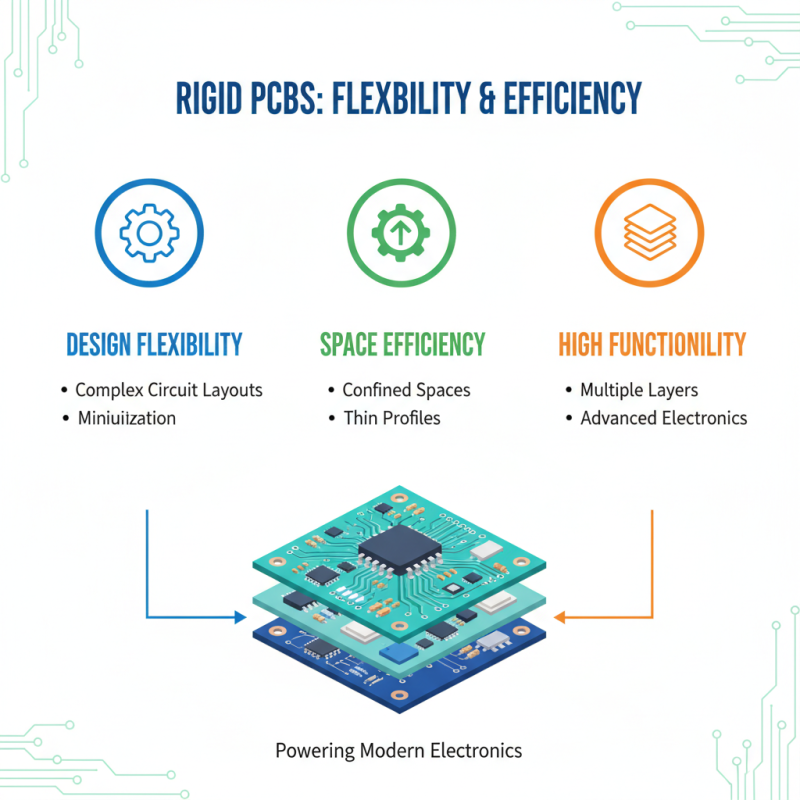
Rigid printed circuit boards (PCBs) offer significant design flexibility and efficiency. They allow engineers to create complex circuit layouts within a confined space. This capability is critical for modern electronics, where miniaturization is a major trend. Manufacturers can incorporate multiple layers into a thin profile, resulting in highly functional designs without increasing size.
The rigidity of these boards ensures structural integrity. Their stability is essential for applications that require precision. However, this rigidity can sometimes limit the ability to adapt designs after prototyping. Therefore, it's crucial for designers to carefully plan layouts and components initially.
Another essential aspect is the manufacturing process. Rigid PCBs are often produced in high volumes, which can reduce costs per unit. Despite this efficiency, variations in materials and production processes can lead to inconsistencies. Designers must remain vigilant and consider these factors during development to maintain quality.
Enhanced Performance in High-Frequency Applications with Rigid PCBs
Rigid printed circuit boards (PCBs) offer distinct advantages, particularly in high-frequency applications. Their solid structure supports complex designs, allowing for efficient signal transmission. This quality proves vital in fields such as telecommunications and aerospace, where performance is paramount. By reducing signal loss, rigid PCBs enhance the reliability of electronic devices.
Another key aspect is their thermal management. Rigid PCBs can dissipate heat more effectively compared to flexible alternatives. This is crucial in applications where overheating can lead to circuit failure. Designers appreciate how rigid boards maintain structural integrity under such conditions. However, achieving optimal thermal performance requires careful consideration during the design phase. It's essential to analyze material choices to strike a balance between rigidity and thermal conductivity.
Moreover, while rigid PCBs afford many benefits, they come with limitations. Their inability to bend makes them less suitable for wearable devices. As technology evolves, designers must sometimes reevaluate their choices. Balancing performance with flexibility is an ongoing challenge. Adopting a thorough approach ensures that the selected PCB type aligns with specific application requirements.