Top 10 Benefits of Using Flex PCB Board for Global Buyers?
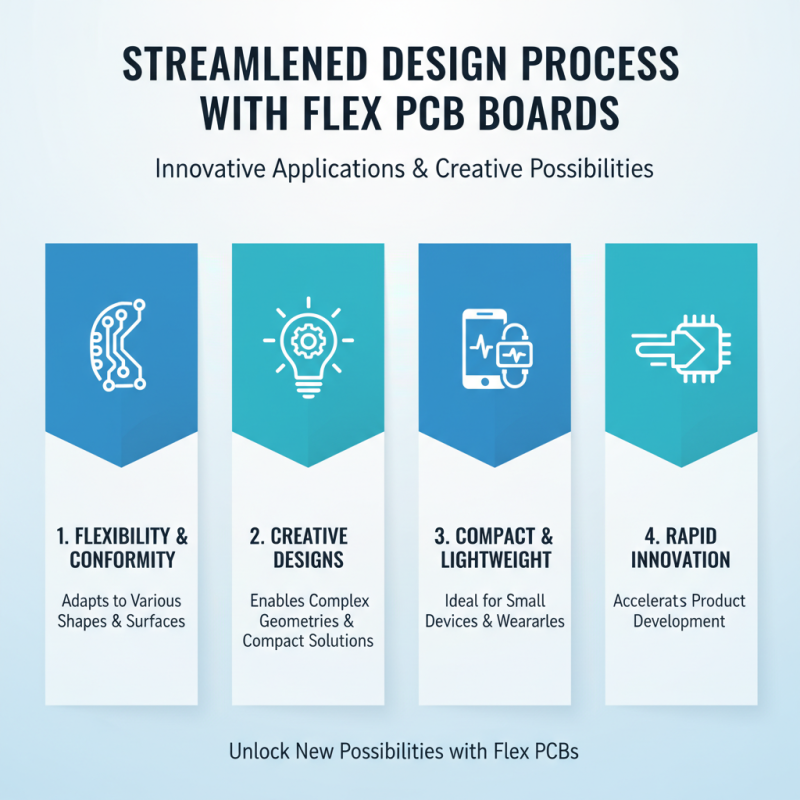
In today's rapidly evolving electronics market, the use of flex PCB board has gained significant traction among global buyers. This innovative technology offers a unique solution for a range of applications. Flex PCBs are lightweight, compact, and adaptable, making them ideal for modern devices. Their ability to bend and fit into tight spaces enhances product design flexibility.
The benefits are many, but not without challenges. Choosing the right flex PCB board requires careful consideration. Buyers must evaluate factors such as durability, manufacturing costs, and compatibility with existing technologies. Understanding these elements is crucial for maximizing the advantages of this technology. Despite its growing popularity, some still question the long-term reliability of flex PCBs in harsh conditions.
Ultimately, the decision to use flex PCB board hinges on a thorough assessment of one's specific needs. This guide will explore the top ten benefits, highlighting how a well-chosen flex PCB can elevate product performance. Knowledge and expertise in this field can lead to more informed choices, ensuring that manufacturers and designers leverage this technology effectively.
Benefits of Flex PCB Boards in Reducing Space and Weight in Electronics
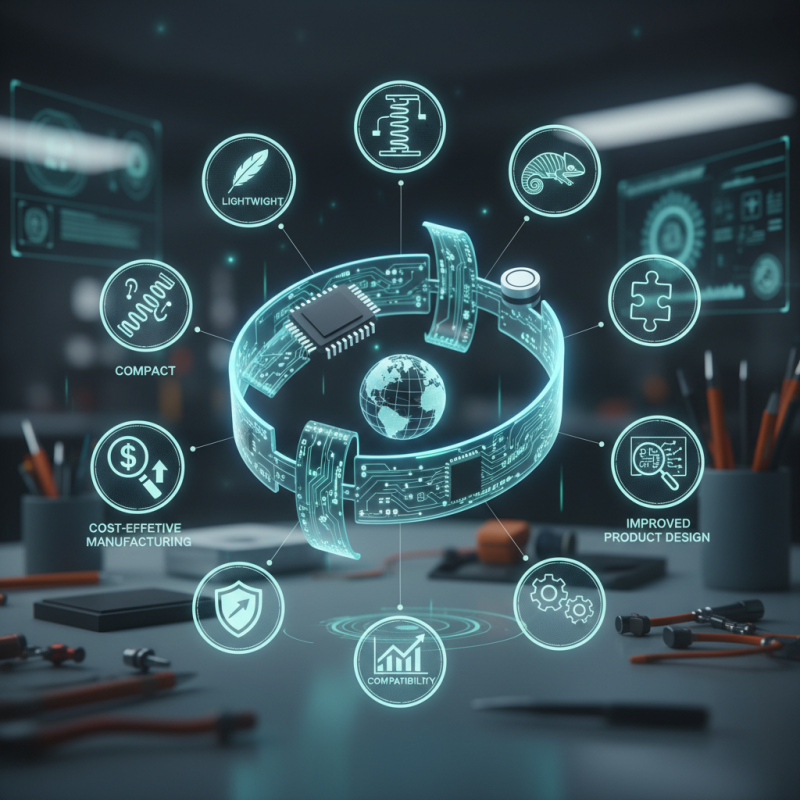
Flex PCB boards are becoming increasingly popular in various electronic applications. One of the most significant advantages is their ability to save space. Their flexible nature allows for innovative designs that traditional rigid boards cannot achieve. Engineers can now place components in tighter spots, optimizing device layouts. This can be crucial for compact gadgets like smartphones or wearables.
In addition to saving space, flex PCBs also reduce the overall weight of electronic products. A lightweight design is essential for portable devices, where every gram counts. By using flexible materials, manufacturers can eliminate excess weight associated with rigid substrates. This can enhance the battery life of devices and improve user experience. However, not all designs take full advantage of these benefits. Some engineers may overlook the potential for space-saving designs. There’s a need for continuous reflection on PCB design choices to fully embrace flexibility.
Moreover, the sustainability aspect of flex PCBs deserves attention. As industries move towards greener solutions, lightweight materials can contribute to reduced energy consumption. Evidence suggests that lighter devices could lead to lower carbon footprints during production and transportation. Still, implementing these materials requires thorough understanding. Some may struggle with manufacturing challenges. Flex PCBs can be tricky to work with, and quality control is vital for reliability. Continuous learning and adaptation are essential for effective use.
Enhanced Durability and Flexibility of Flex PCB Boards for Harsh Environments
Flex PCB boards are revolutionizing electronic design, especially in harsh environments. Their enhanced durability and flexibility make them ideal for applications where traditional PCBs fall short. These boards can endure extreme conditions, such as high temperatures and intense vibrations, making them suitable for automotive and aerospace industries.
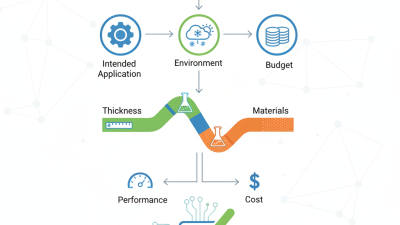
When considering flex PCBs, it's essential to evaluate their thickness and material composition. Thinner options offer better flexibility, while thicker materials provide more durability. Ensure to assess the specific requirements of your project. Look for designs that allow for easy integration with other components, which may enhance performance.
Understanding the environmental impact is vital. Flex PCBs often require fewer materials and have a smaller footprint. However, manufacturers should prioritize sustainability. They can use eco-friendly materials and reduce waste during production. Innovation in flex PCB technology is ongoing. Embracing these changes can lead to more efficient and reliable products.
Top 10 Benefits of Using Flex PCB Board
Cost-Effectiveness of Flex PCB Boards in Mass Production Scenarios
Cost-effectiveness is a significant advantage of using flex PCB boards in mass production. These boards require less material due to their lightweight and thin design. This reduction in material can lead to substantial savings in large-scale manufacturing environments. Additionally, their flexibility allows for efficient use of space in devices, enabling more compact designs. Such innovation often leads to lower shipping costs, adding to the overall financial benefits.
Flex PCBs also simplify assembly and reduce labor costs. They can be integrated into multiple layers without complex soldering processes. This ease of assembly translates effectively to time savings. However, companies should remain cautious about the initial investment in technology and tooling for production. Not all manufacturers may be equipped to handle this transition. Understanding the learning curve is crucial for achieving optimal cost efficiencies.
Moreover, while the upfront savings are clear, the long-term durability of flex PCBs can raise questions. Some users might worry about wear and tear over time. It's essential to analyze the end-use environment to ensure longevity. Evaluating these factors can help businesses achieve a balanced cost-performance ratio. Such reflections can shape better decision-making for global buyers.
Improved Thermal Management through Advanced Materials in Flex PCB Design
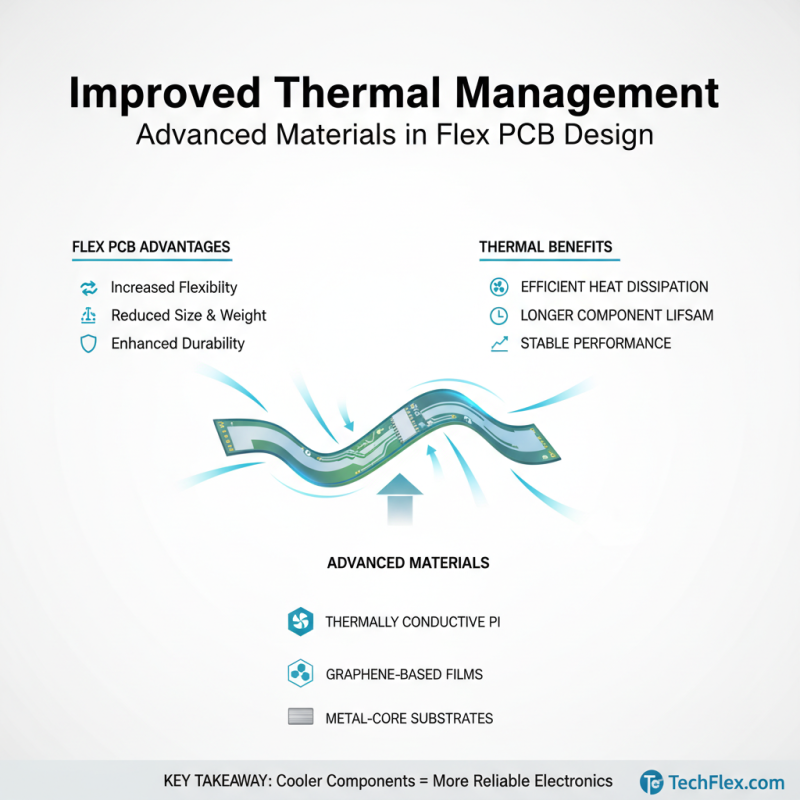
Flexible printed circuit boards (Flex PCBs) are gaining popularity due to their improved thermal management. Advanced materials used in Flex PCB design enhance their performance under varying temperatures. According to industry reports, these materials can effectively dissipate heat, ensuring the longevity of electronic components.
Heat management is a critical factor for electronic devices. A study from the IPC organization states that 40% of PCB failures are attributed to thermal issues. Flex PCBs, with their lightweight and flexible nature, can adapt to intricate designs while maintaining thermal efficiency. This adaptability allows manufacturers to create compact products without compromising performance.
Moreover, the use of thermally conductive materials in Flex PCBs is on the rise. A report from Research and Markets highlights a 15% increase in demand for these materials in recent years. This trend reflects the industry's push for better thermal solutions. However, companies still face challenges in sourcing these advanced materials. Balancing cost and performance remains a significant concern.