Top 10 Benefits of Using Polyester Yarn for Global Buyers?
Polyester yarn has become a staple in various industries, largely due to its durability and versatility. According to the Textile World Industry Report, polyester accounts for over 50% of global textile production. This remarkable statistic underscores the material’s importance in garments, home textiles, and industrial applications. Industry expert Dr. James C. Lin states, "Polyester yarn revolutionizes the fabric market with its unmatched performance and adaptability."
This robust fiber offers numerous benefits that appeal to global buyers, such as moisture-wicking properties and color retention. These features make polyester yarn ideal for both activewear and everyday clothing. In a survey conducted by the International Textile Manufacturers Federation, over 70% of manufacturers indicated a preference for polyester due to its cost-effectiveness and sustainability.
However, some challenges remain, such as the environmental impact of synthetic fibers. While polyester yarn is recyclable, the need for responsible sourcing and production practices is critical. Buyers must reflect on these factors when choosing polyester yarn suppliers. Understanding both the advantages and the implications of using this material ensures a more informed decision-making process in a rapidly evolving textile landscape.
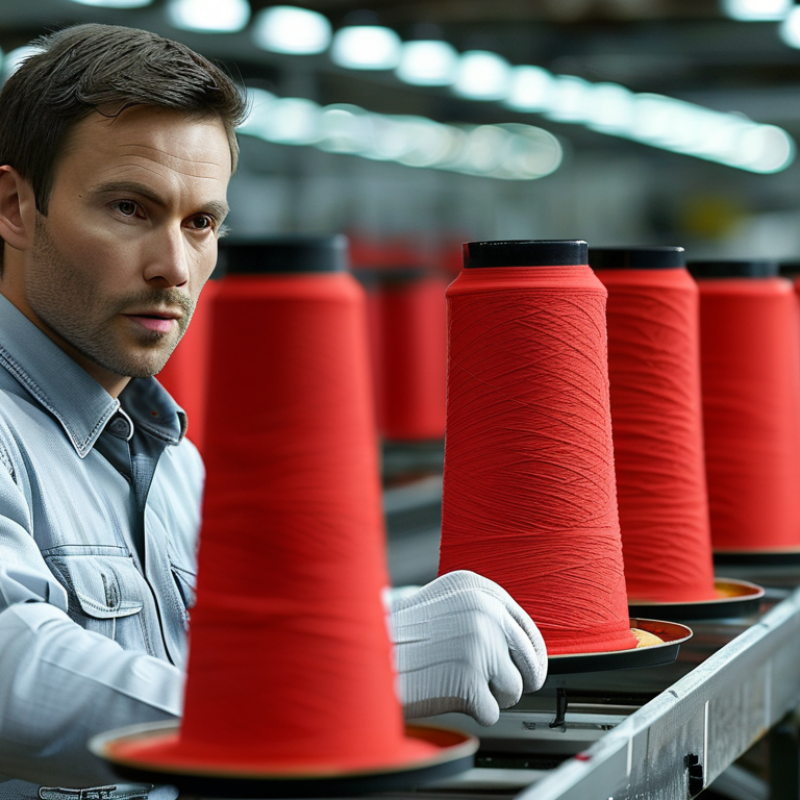
Advantages of Polyester Yarn in Various Industries
Polyester yarn has gained traction across various industries due to its unique properties. It is known for its strength and durability. According to a report by Market Research Future, the polyester yarn market is expected to witness a compound annual growth rate (CAGR) of 6.3% from 2021 to 2028. This growth reflects its increasing adoption in textiles, automotive, and industrial applications.
In the textile industry, polyester yarn is favored for its wrinkle-resistant nature and color retention. It is often blended with natural fibers like cotton for enhanced performance. The global demand for polyester textiles is projected to reach 80 million tons by 2025, as indicated by the Textile World report. Its versatility makes it suitable for a range of products from clothing to upholstery.
In automotive applications, polyester yarn serves as a key component in the manufacturing of safety belts and airbags. Its lightweight characteristics contribute to overall vehicle efficiency. However, the environmental impact of polyester production raises important questions. While it offers numerous benefits, the sustainability of polyester yarn continues to be a topic of reflection and improvement for the industry.
Durability and Strength: Why Polyester Yarn Stands Out
Polyester yarn has gained immense popularity in the textile industry, primarily due to its durability and strength. Research from the Textile Institute indicates that polyester fibers boast a tensile strength of around 80,000 psi. This makes them significantly stronger than traditional cotton fibers, which range between 30,000 to 40,000 psi. Such impressive resilience allows polyester yarn to withstand rigorous wear and tear. It resists stretching, shrinking, and fading, providing longevity that appeals to global manufacturers.
Furthermore, polyester yarn exhibits excellent resistance to various environmental factors. According to industry reports, it can withstand repeated exposure to sunlight without degrading. This is a crucial advantage for outdoor applications. The yarn remains vibrant and strong, even in harsh conditions. Additionally, polyester is less susceptible to mildew and mold compared to natural fibers. These properties ensure that fabrics made from polyester maintain their integrity over time.
However, it is essential to consider the environmental impact of polyester production. Many manufacturers are exploring sustainable practices to mitigate these effects. Recycled polyester, for instance, offers a promising alternative, reducing reliance on virgin plastic. Despite its advantages, there’s an ongoing debate about the balance between durability and sustainability. Global buyers must weigh the benefits against the ecological costs to make informed choices.
Cost-Effectiveness of Polyester Yarn for Global Buyers
Cost-effectiveness is a driving factor for global buyers considering polyester yarn. Polyester yarn stands out for its relatively low production cost compared to natural fibers. According to recent industry reports, polyester yarn can cost up to 30% less than cotton. This provides a significant advantage for manufacturers focused on reducing expenses while maintaining quality.
Polyester also boasts impressive durability. It is resistant to stretching and shrinking, which results in fewer replacements and better long-term value. Additionally, polyester fibres often require less maintenance. For buyers, this means lower washing and care costs, making it a practical choice for high-demand applications.
Tip: When sourcing polyester yarn, explore bulk purchasing options. This can lead to even greater savings and improve your profit margins.
While polyester is an attractive option, it’s essential to consider environmental impacts. The production process can involve high energy consumption. Buyers should remain informed about sustainability practices, as consumer preferences increasingly lean toward eco-friendly materials.
Tip: Collaborate with suppliers who prioritize sustainable practices. This can improve your brand’s reputation and is increasingly valued by consumers.
Environmental Impact of Using Polyester Yarn in Manufacturing
The environmental impact of using polyester yarn in manufacturing is significant. Polyester is a synthetic fiber made from petroleum, which raises concerns about resource depletion. Its production involves high energy consumption and greenhouse gas emissions. These factors contribute to climate change, affecting ecosystems globally.
However, polyester yarn has some advantages. It is durable and resistant to wear, which means garments made from it last longer. This durability can reduce the overall environmental footprint, as fewer replacements are needed. Yet, polyester does not biodegrade easily. Over time, it can contribute to plastic pollution, particularly in oceans.
Some manufacturers have started using recycled polyester, derived from plastic bottles. This approach can help mitigate some of the negative impacts. However, the recycling process itself isn't without environmental costs. It is crucial for the industry to keep improving these methods. Balancing benefits and drawbacks requires ongoing reflection and innovation.
Top 10 Benefits of Using Polyester Yarn for Global Buyers
Versatility of Polyester Yarn in Different Applications
Polyester yarn is renowned for its versatility across various applications. It is used in textiles, upholstery, and even industrial materials. This adaptability makes it an ideal choice for global buyers searching for reliable solutions. The strong durability of polyester yarn allows it to withstand harsh conditions. This property is particularly useful in outdoor gear and automotive fabrics.
Additionally, polyester yarn offers excellent color retention. Products made from polyester maintain their vibrancy over time. This quality appeals to designers and manufacturers who prioritize aesthetics. It is also resistant to stretching and shrinking, providing long-lasting performance. However, some users may find that polyester lacks the breathability of natural fibers. This aspect can be a concern in certain clothing applications.
Moreover, polyester yarn is easy to care for and dries quickly. This feature simplifies maintenance for end-users. Despite its many benefits, it’s essential to align polyester use with environmental considerations. Recycling options are growing, but the overall impact still requires attention. An informed approach can help buyers make better choices in their projects and environments.