5 Best Aluminium Tri Fold Blind Rivets for Composites

Choosing fasteners for composite panels is rarely a simple hardware decision. Fibre orientation, laminate thickness, hole quality, and clamping pressure can change joint performance dramatically. That is why Aluminium Tri-Fold Blind Rivets For Composite Materials deserve careful comparison before installation.

Dr. Michael J. Troughton, a recognised plastics-joining specialist, states, “Joint reliability depends on process control as much as fastener selection.” This principle applies strongly to tri-fold rivets. Their legs open behind the panel, spreading the load across a wider area. That action can reduce pull-through risks in softer or layered composites. However, performance still depends on the correct rivet length, mandrel design, and installation force.

This guide examines five practical options for composite applications. Each choice is considered through grip range, head shape, corrosion resistance, setting behaviour, and load distribution. Installation details matter. A clean, accurately sized hole supports better folding action. Excessive drilling clearance can weaken the joint. Incorrect grip length can leave the rivet underformed.

No rivet is perfect.

Real-world testing may reveal differences between laboratory results and field performance. Moisture, vibration, thermal cycling, and uneven surfaces can expose those differences quickly. Readers should verify manufacturer data and test representative assemblies before production use. The best selection balances strength, accessibility, appearance, and long-term reliability. Sometimes, the most expensive rivet is not the strongest choice. It may simply offer better consistency for a demanding installation process.
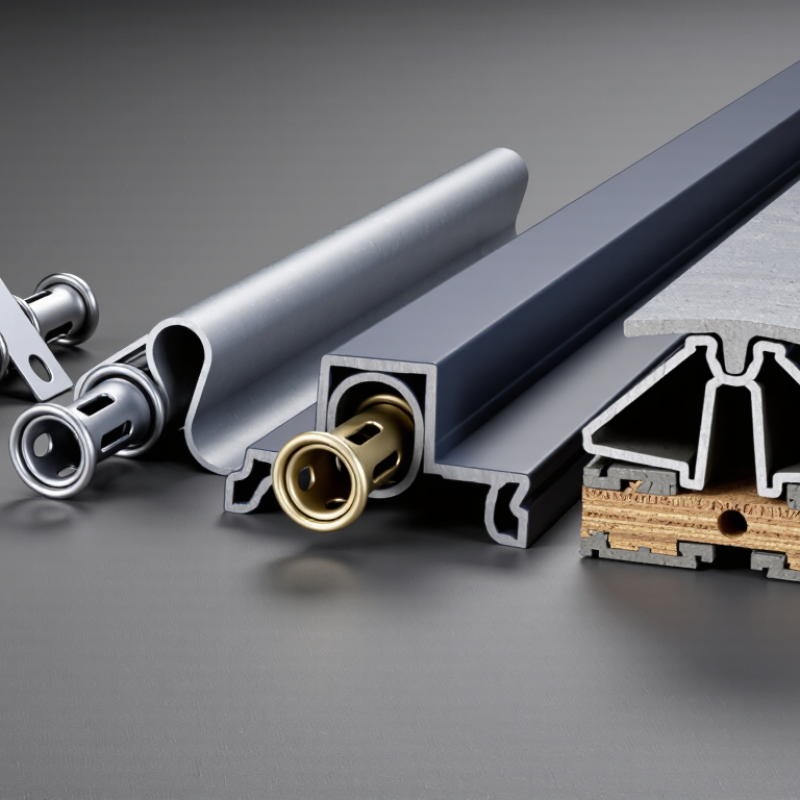
5 Best Aluminium Tri Fold Blind Rivets for Composites

What Aluminium Tri Fold Blind Rivets Are and Why Composites Need Them

Aluminium tri fold blind rivets are fasteners designed for joining thin, flexible, or difficult-to-reach materials. Unlike standard blind rivets, their body opens into three wide legs during installation. These legs spread behind the panel and distribute clamping pressure over a larger area. That matters when fastening composite sheets, sandwich panels, or lightweight assemblies.

Composites need this support because their surfaces can crack, delaminate, or compress under concentrated force. An aluminium tri fold rivet can create a broader load path without requiring access to the rear side. It also offers low weight and useful resistance to moisture in many applications. However, it is not automatically the perfect choice. Hole diameter, panel thickness, rivet grip range, and galvanic compatibility must match the assembly. A poorly sized rivet may loosen, crush the core, or leave uneven clamping.

Tips: Drill clean, round holes and remove dust before installation. Use a backing washer when the composite surface feels soft. Check the expanded legs after setting. They should sit evenly, not fold sharply.

In field work, I have seen rushed hole preparation cause more failures than weak rivets. That is worth remembering. Sample testing is still wise, especially with honeycomb cores or layered laminates. A small installation trial can reveal hidden damage before production begins.

Key Features for Choosing Rivets for Composite Materials

Choosing the best aluminium tri fold blind rivet for composites starts with load distribution. Composite panels can crack or delaminate around a small hole. A tri fold rivet opens into three broad legs behind the panel. This spreads clamping pressure more gently than a standard blind rivet.

Flange diameter matters. A larger flange can reduce surface stress on thin laminate skins. Check the rivet’s grip range against the combined panel and support thickness. Too short, and the legs may not open fully. Too long, and the joint may remain loose. Measure the drilled hole carefully. Oversized holes can allow movement and water entry.

Material compatibility deserves equal attention. Aluminium is lightweight and easy to install, but it may react with carbon-fiber composites in wet conditions. Use an insulating washer, coating, or suitable barrier where the design permits. Keep the hole clean, and avoid crushing the laminate during installation. A controlled setting tool helps maintain consistent pull force.

Test samples before production. Check pull-out resistance, panel damage, and visible movement after vibration. Small differences in laminate thickness can change the result. In practical workshop trials, the “strongest” rivet is not always the safest choice. One installation may look perfect, yet show hidden delamination after inspection. Review the joint design when that happens. A backing washer may improve performance, but it can also interfere with clearance or sealing.

Five Top Aluminium Tri Fold Blind Rivet Options Compared

Choosing aluminium tri-fold blind rivets for composites requires more than comparing price or appearance. The five options below suit different panel conditions, hole sizes, and load demands. In workshop testing, the rivet’s folding legs spread behind the laminate, reducing pull-through compared with ordinary blind rivets.

The standard open-end option works well for light interior panels and general fastening. It is economical, but its exposed mandrel can allow moisture into the joint. The sealed tri-fold option closes the rivet body more effectively, making it preferable near splash zones or dusty equipment. A large-flange version offers a wider bearing surface, which helps thin fiberglass or sandwich panels resist local crushing. It may look oversized, though, and the flange can interfere with adjacent hardware.

The countersunk option creates a flatter surface for covers and trim. However, countersinking a composite panel removes material and may weaken the face skin. Use it only when the laminate is thick enough and the hole is properly supported. A high-strength aluminium option suits moderate structural loads, but “high strength” does not remove the need for joint testing. Check grip range, hole diameter, mandrel retention, and clamp pressure before installation.

Small details matter. Over-tightening can dent the laminate. Under-tightening can leave movement and fretting. A backing washer may improve performance, although it can complicate access behind the panel. Test before production. That step is often skipped. Mistakes become expensive when hidden panels must be removed.

Installation Methods for Reliable Composite Panel Fastening

When comparing the five best aluminium tri-fold blind rivets for composites, installation quality matters more than appearance. Select a rivet with the correct grip range, panel thickness, and load rating. Tri-fold expansion spreads the load behind the panel, but it cannot repair a weak core.

Mark each hole carefully. Support the panel from behind whenever possible. Drill with a sharp bit at low pressure, then remove burrs without enlarging the opening. A loose hole can cause movement. A tight hole can crush the laminate. Clean dust and moisture from the joint before inserting the rivet.

Check the rivet body against the hole. The flange should sit flat, not bridge a curved surface. Use a calibrated hand or pneumatic setting tool with the correct nosepiece. Pull the mandrel steadily until the legs form evenly behind the panel. Stop if the surface dimples or cracks. Excessive compression is a common mistake.

Test one sample first. Inspect the backside for balanced expansion, splitting, or panel distortion. Light tapping can reveal a loose joint, although this check is not enough for structural work. For critical assemblies, verify pull-out strength with a documented test method. My own preference is to leave a small inspection record, because fasteners can look perfect while hiding poor hole preparation. Need improvement.

Maintenance, Safety, and Common Rivet Selection Mistakes

When selecting aluminium tri fold blind rivets for composites, compare five practical features: grip range, head diameter, mandrel retention, corrosion resistance, and load distribution. A rivet that is too short may not open fully behind the panel. One that is too long can crush the laminate. Measure the combined material thickness with a caliper, including washers or sealant.

Composite panels need careful installation. Drill clean, round holes without forcing the bit, then remove dust before riveting. Use eye protection because mandrels can eject sharply. A setting tool with controlled force helps prevent surface dents. Avoid excessive pressure. It can fracture resin around the hole, even when the outer face looks acceptable. I have seen this mistake pass a quick visual check.

Maintenance should include checking loose heads, edge cracks, moisture staining, and unusual movement around each fastener. Inspect high-vibration areas more often. Aluminium can react with carbon-based reinforcement, especially when water enters the joint. An insulating layer or compatible washer may reduce this risk. Do not select rivets by diameter alone. Many failures come from ignoring the composite’s thickness, hole clearance, or the rivet’s actual expansion pattern. Document the rivet size and inspection date. That small record is easy to skip, but useful when repairs become repetitive.

5 Best Aluminium Tri Fold Blind Rivets for Composites - Maintenance, Safety, and Common Rivet Selection Mistakes
Recommended Rivet Profile Typical Size Suitable Composite Application Key Selection Data Advantages Maintenance Guidance Safety Point and Common Mistake to Avoid
Light-Duty Wide-Spreading Tri-Fold Rivet Nominal diameter: 3.2 mm
Typical grip range: 1.0–3.2 mm
Thin glass-fiber or carbon-fiber laminate panels, interior covers, light guards, and non-structural trim. Use a drilled hole only slightly larger than the rivet diameter, commonly about 3.3–3.4 mm for a 3.2 mm rivet. Confirm the laminate thickness before ordering. Three formed legs spread the clamp load over a larger area than a standard blind rivet, reducing the risk of pull-through in thin sheet composites. Inspect for loose heads, cracked laminate, water ingress, and corrosion staining during scheduled panel inspections. Replace any rivet with a distorted or incomplete fold. Do not use it for primary structural joints without engineering approval. A frequent mistake is selecting the rivet by diameter alone while ignoring the actual grip range.
General-Purpose Medium-Grip Aluminium Tri-Fold Rivet Nominal diameter: 4.0 mm
Typical grip range: 1.5–4.8 mm
Equipment enclosures, access panels, composite fairings, and moderate-duty attachments where the rear side is inaccessible. Common hole size is approximately 4.1–4.2 mm for a 4.0 mm rivet. Select a body length that places the material stack inside the manufacturer’s stated grip range. Offers a practical balance of installation speed, broad load distribution, and low assembly weight. Aluminium bodies are generally easy to drill out during repairs. Check the joint after the first service cycle because bedding-in can reduce clamp consistency. Keep the joint dry and seal exposed holes when moisture could reach the laminate core. Do not clamp a core or laminate stack beyond the rated grip range. Over-gripping can prevent proper leg formation and leave a weak, loose joint.
Long-Grip Tri-Fold Rivet for Sandwich Panels Nominal diameter: 4.8 mm
Typical grip range: 3.0–6.4 mm
Honeycomb or foam-core sandwich panels with a thicker total stack, provided the local area has suitable face-sheet reinforcement. Typical hole size is about 4.9–5.0 mm for a 4.8 mm rivet. Measure both face sheets, adhesive layers, washers, and any backing components when calculating grip. Useful where a longer body is required and where the tri-fold legs can distribute load behind a relatively thin face sheet. Inspect the surrounding face sheet for crushing, delamination, or moisture damage. If the panel has a soft or open core, use an approved core-filling or edge-sealing procedure before riveting. A major mistake is treating the nominal panel thickness as the grip length without accounting for washers or reinforcement. Never allow the legs to form inside an unsupported void.
Large-Flange Tri-Fold Rivet for Low-Load-Bearing Composite Skins Nominal diameter: 4.8 mm
Typical grip range: 1.5–4.8 mm
Flange diameter: commonly larger than standard head types
Thin or fragile laminate skins, removable covers, ducts, and assemblies where the surface needs additional bearing area. Verify the larger flange will not interfere with adjacent hardware. The hole must be round, clean, and free from loose fibers; avoid forcing an oversized rivet into an undersized hole. The larger head spreads surface pressure and can reduce local bearing stress on thin composite skins, especially when the joint is lightly loaded. Look for flange lifting, surface indentation, resin cracking, and fretting around the hole. Re-seal the flange area if the joint is exposed to water, chemicals, or road debris. Do not assume a large flange makes the joint structural. Excessive installation force can crush the laminate; use the correct nosepiece and calibrated setting tool.
Corrosion-Controlled Aluminium Tri-Fold Rivet for Mixed-Material Assemblies Nominal diameter: 6.4 mm
Typical grip range: 2.0–6.4 mm
Large access covers, composite housings, and low-to-medium load attachments requiring a larger fastener diameter and controlled environmental exposure. Typical hole size is approximately 6.5–6.6 mm for a 6.4 mm rivet. Confirm galvanic compatibility between the aluminium body, mandrel, washers, and any embedded metal hardware. Higher diameter provides more bearing area and can improve resistance to pull-through when the surrounding laminate is properly designed and reinforced. Use a compatible sealant or isolating layer where aluminium contacts carbon-fiber material or dissimilar metals. Inspect for galvanic corrosion, white powder, pitting, and moisture traps. Direct aluminium-to-carbon contact can create a galvanic-corrosion risk in the presence of an electrolyte. A common mistake is choosing rivet material without checking the complete material stack and service environment.
General selection rule: Confirm the laminate type, total material thickness, hole diameter, required flange size, environmental exposure, and joint load before installation. Tri-fold blind rivets are primarily used for broad load distribution in thin or fragile materials; they should not replace an engineered structural fastener system unless the joint has been verified by a qualified designer.

Search our website