What is the Best Drop Cable for Your Project Needs?
In the world of telecommunications, choosing the right Drop Cable is crucial for project success. Experts suggest that a well-selected drop cable can significantly enhance network performance. According to a recent report by Research and Markets, the global drop cable market is expected to reach $3.5 billion by 2026. This growing market reflects the increasing demand for reliable network connectivity.
"As connectivity demands grow, so does the importance of high-quality drop cables," states John Smith, a leading expert in the fiber optics industry. His insights underscore the need for careful consideration of cable types based on specific project requirements. Different environments may require different solutions, making it essential to analyze factors like weather conditions and installation methods.
However, many projects overlook these essential considerations. Improperly chosen drop cables can lead to failures. There’s also the challenge of balancing cost and performance. This can make the decision even more complex. Identifying the best drop cable for your specific needs takes time and expertise, but the right choice can lead to a more robust and efficient network infrastructure.
Understanding Drop Cables and Their Functionality
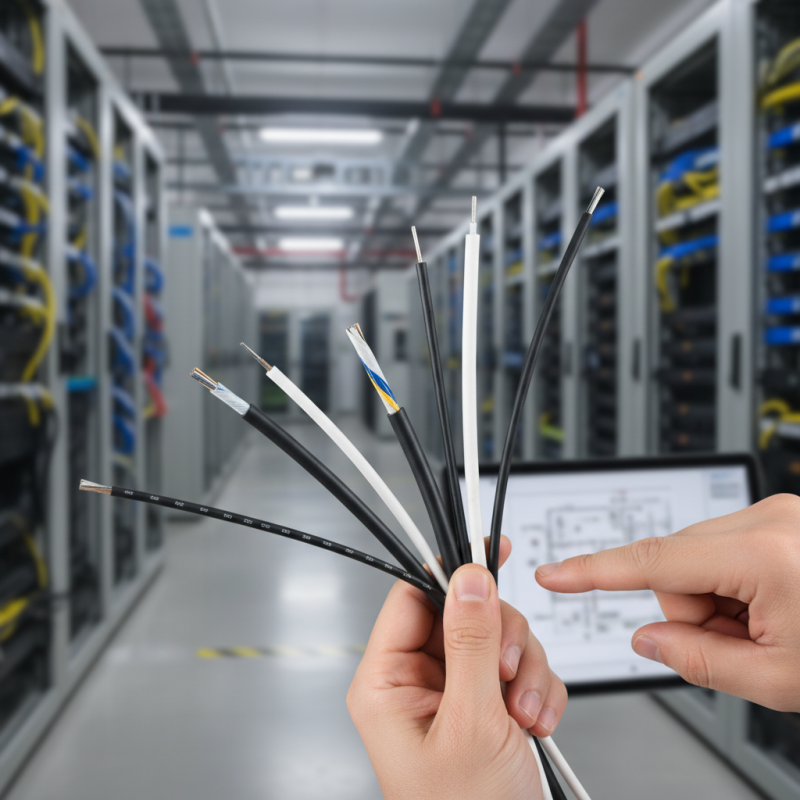
Drop cables play a vital role in various telecommunications and networking projects. They serve as the last link between the network and the end user, ensuring efficient data transmission. Understanding their functionality can help organizations choose the right type for their needs. According to the Fiber Broadband Association, fiber-optic connections deliver higher speeds and reliability compared to traditional copper solutions. This insight is crucial for making informed decisions.
Drop cables are available in various configurations, including single-mode and multi-mode fibers. Single-mode fibers are ideal for long-distance connections, while multi-mode fibers are suitable for shorter distances. Technical reports indicate that multi-mode fibers can transmit data at speeds up to 10 Gbps over short distances, while single-mode fibers can achieve even higher speeds over greater distances. These differences can significantly impact project performance and budget.
While drop cables provide high-speed connectivity, they are not without challenges. Factors like installation complexity and environmental conditions can affect performance. For example, improper handling during installation can lead to signal degradation. Organizations must recognize these risks and take preventive measures. Understanding the nuances of drop cables allows for better planning and execution of projects.
Comparison of Different Drop Cable Types
Types of Drop Cables: Comparing Key Features and Materials
When choosing a drop cable for your project, understanding the types and features is crucial. There are several materials to consider. Low-density polyethylene (LDPE) is one common choice. It offers flexibility and durability, making it suitable for outdoor applications. However, it can be sensitive to UV exposure. Consider your environment when selecting this material.
Alternatively, you might explore fiberglass drop cables. They provide high tensile strength and resistance to extreme temperatures. This makes them ideal for rugged conditions. However, fiberglass can be less flexible, posing challenges in tight spaces. It's essential to evaluate the installation site and potential obstacles.
Another interesting option is copper cable. Known for excellent conductivity, copper is reliable. However, it is heavier and can be more expensive than other options. Assessing the total weight and cost can help in making a decision. Each cable type comes with its pros and cons. Understand your project's specific demands to select the best fit.
Evaluating Your Project Requirements for Drop Cable Selection
When evaluating your project requirements for selecting drop cable, several factors determine the best fit. You should consider the environment where the cable will be installed. For instance, cables used outdoors need to withstand harsh weather conditions. According to industry reports, nearly 30% of drop cable failures occur due to environmental factors, which highlights the need for proper material selection.
Another critical aspect is the required bandwidth and future scalability. The demand for higher data speeds continues to rise. Current data indicates that over 70% of projects now require cables capable of supporting at least 1 Gbps speeds. This necessity emphasizes the importance of investing in high-quality drop cables that meet these evolving standards.
The installation process can also influence your choice of drop cable. Some cables are easier to work with, reducing labor hours significantly. However, choosing a robust cable that is challenging to install can lead to long-term issues. It's crucial to balance ease of installation with durability to avoid potential network problems later.
Factors Influencing Drop Cable Performance and Longevity
When selecting drop cables for a project, several factors significantly influence their performance and longevity. The material used for the insulation, commonly polyethylene or PVC, plays a crucial role in durability. Research indicates that cables insulated with polyethylene can resist moisture better, which enhances their lifespan. According to industry reports, cables exposed to harsh weather display a 30% higher failure rate when using inferior materials.
Another critical factor is the installation environment. Cables placed in direct sunlight often experience degradation faster than those installed in shaded areas. A study by the Telecommunications Industry Association found that environmental exposure can reduce cable performance by up to 40%. Proper handling during installation is vital to avoid unnecessary stress on the cables, which can lead to early failures. Connectors and terminations also require careful consideration, as improper connections can lead to significant signal loss.
Ultimately, while choosing the right drop cable, attention must be paid to these influencing factors. The goal should be to maximize performance while minimizing potential issues. The complexity of these interactions can often require on-site assessments to ensure optimal outcomes, suggesting that additional resources or consultations may be necessary.
Recommended Applications for Different Drop Cable Types
When selecting drop cables, understanding their applications is crucial. Different types of drop cables are suited for specific uses. Outdoor environments require cables that can withstand UV radiation and moisture. Indoor installations often favor flexibility and lower attenuation, essential for maintaining signal quality.
Fiber optic drop cables, for instance, excel in high-speed data transmission. According to industry reports, fiber optics can achieve speeds up to 100 Gbps. This feature makes them ideal for telecommunications and data centers. In contrast, copper drop cables, while slower, are more cost-effective for residential applications.
Tip: Always consider the distance of your installation. Over long distances, signal loss can occur. For runs exceeding 100 meters, fiber is generally the better choice. Also, pay attention to the cable's bend radius, especially in tight spaces. A poorly installed cable can lead to performance issues.
Some users overlook moisture resistance in outdoor drop cables. This oversight can lead to damage and increased maintenance costs. Choose cables rated for outdoor use to avoid these problems. Self-installation can save costs, but it often leads to mistakes. Prioritize proper techniques, especially with fiber optic splicing.