Best Push Button Switches at 2026 Canton Fair Essential Insights?
The 2026 Canton Fair, a pivotal event in the global trade calendar, will commence with significant advancements in technology and manufacturing. Among the many products on display, the Push Button Switch is set to capture attention. This switch is not just a simple mechanism; it plays a vital role in various electronic devices and equipment. Its design embodies the intersection of functionality and innovation.
With the introduction of AI-driven features, attendees will navigate the 155,000 square meters of exhibits with ease. They can search for suppliers meeting specific qualifications, such as ISO and CE certifications, enhancing their procurement processes. However, one must consider the evolving market demands and the potential oversaturation of similar products, including Push Button Switches. Reflecting on the array of offerings can help buyers discern genuine innovation from mere imitation.
The fair presents a unique opportunity to explore emerging trends in push button technology, illustrating both the potential and the challenges it faces. As one engages with industry leaders, the importance of quality assurance becomes clear, as does the necessity for sustainable practices in manufacturing. The Push Button Switch is more than a component; it is a reflection of industry standards and consumer expectations.
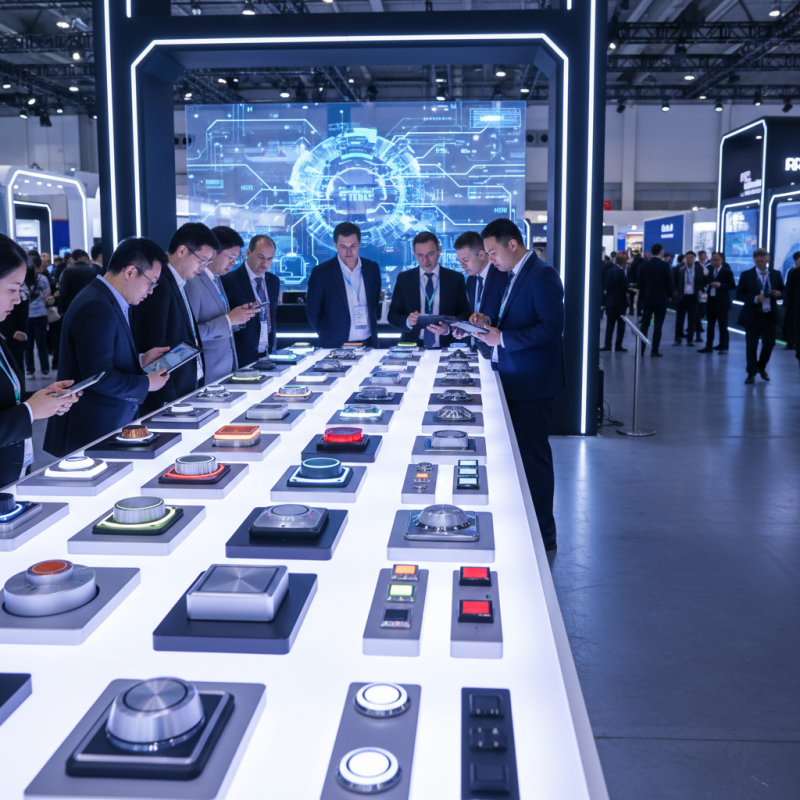
Overview of Push Button Switches in the Market
In the ever-evolving market of push button switches, there is much to consider. These devices are crucial across various industries. They come in many shapes, sizes, and functionalities. Some are designed for heavy machinery, while others are suited for consumer electronics. This diversity can make choosing the right switch challenging.
Quality and durability vary significantly among options. Some switches have better feedback, while others focus on aesthetic design. In many cases, users overlook the importance of ergonomics, which can affect user experience. Furthermore, the integration of technology is reshaping how these switches function. Some are now equipped with LED indicators, enhancing visibility in low-light conditions.
When it comes to market trends, there's a noticeable shift towards environmentally friendly materials. However, not all manufacturers are keeping pace, leading to confusion among consumers. This inconsistency raises questions about long-term reliability and performance. Buyers must conduct thorough research before making decisions. A deeper understanding of features and limitations can lead to better outcomes.
Best Push Button Switches at 2026 Canton Fair - Market Overview
Key Features of Top Push Button Switches at Canton Fair 2026
The Canton Fair 2026 is set to showcase groundbreaking technologies in push button switches. These switches are essential for various applications, from industrial machinery to consumer electronics. Key features stand out among the top products, ensuring reliability and efficiency.
One standout feature is the durability of these switches. Many are designed to withstand harsh conditions. This includes extreme temperatures and high pressure. Users appreciate robust materials that protect sensitive components. Another crucial aspect is the ease of installation. Modular designs simplify connections and reduce assembly time. This is something manufacturers need to focus on.
Moreover, aesthetic appeal cannot be overlooked. Many designs incorporate user-friendly interfaces. Backlit options provide visibility in poor lighting conditions. However, some exhibitors may emphasize style over function. Potential buyers should pay attention to these details and evaluate performance rigorously. A thorough review ensures a balanced decision, aligning form with function in push button switches.
Best Push Button Switches at 2026 Canton Fair Essential Insights
| Switch Type | Material | Operating Force (N) | Rating (V/A) | Life Cycle (Clicks) | Features |
| Momentary | Plastic | 3-5 | 250V/5A | 1,000,000 | Compact design, Waterproof |
| Toggle | Metal | 5-8 | 125V/15A | 500,000 | Dimmable lighting, Reliable toggling |
| Rotary | Plastic/Metal | 2-4 | 230V/10A | 200,000 | Smooth operation, High durability |
| Push-Pull | Plastic | 4-6 | 400V/3A | 300,000 | Versatile use, Ergonomic design |
Comparative Analysis of Leading Brands and Models
At the 2026 Canton Fair, push button switches captured significant attention. The range of available models showcased impressive features. Some switches boasted enhanced durability, while others highlighted ergonomic designs. Many visitors felt overwhelmed by the variety on display. This fair provided a crucial platform for manufacturers to present their innovations.
Brand comparisons revealed distinct strengths and weaknesses. Some models offered exceptional responsiveness, yet lacked longevity. Others were built tough, but didn't perform well under high pressure. Lighting effects played a key role in the design of many switches, adding visual appeal. However, not all designs met functional requirements equally. The need for more intuitive interfaces became apparent.
Feedback from users emphasized the importance of real-world performance. Performance tests showed inconsistencies across different environments. While aesthetic appeal is vital, operational reliability is non-negotiable. Manufacturers need to better align their offerings with customer expectations. Balancing design and functionality remains a challenge. This year's fair illuminated both the progress made and the areas needing improvement.
Innovative Technologies in Push Button Switch Design
The evolution of push button switches is captivating. Recent trends showcase innovative technologies in their design. For instance, tactile feedback mechanisms are gaining popularity. These allow users to feel a click, enhancing user experience. Users tend to favor switches that respond with clear feedback. Functional yet stylish designs are increasingly common.
Adoption of smart technologies is also on the rise. Voice activation and connectivity features are making switches more versatile. Users appreciate convenience in their daily lives. Despite these advancements, there are still challenges. Not all users find smart features intuitive. Some may feel overwhelmed by complex interfaces.
Tips: Look for ergonomic designs for comfort. Test the tactile feedback in-person for assurance. Consider the environment where the switch will be used. A little reflection can ensure you make a suitable choice. Think about the future and whether the technology will remain relevant. Choices today can shape usability tomorrow.
Consumer Feedback and Trends on Push Button Switches
The recent Canton Fair revealed key trends in push button switches. Consumer feedback highlighted a preference for tactile responses. Many users appreciate clear clicks when pressed. This feedback suggests that the sensory experience is vital for consumers.
Durability is another important factor. Many customers expect their switches to last, even under heavy use. Several respondents mentioned wear and tear over time. This indicates a demand for stronger materials and better construction. Some designs did not meet these expectations, leading to disappointment.
Additionally, aesthetics play a role in consumer choice. Many attendees noted the importance of color and shape. A stylish switch can enhance a product's appeal. Yet, some designs were criticized for being too bulky or not fitting well in modern interfaces. These reflections suggest that manufacturers should balance form and function more effectively.