2026 Best Rigid Flex PCB Solutions for Global Buyers?
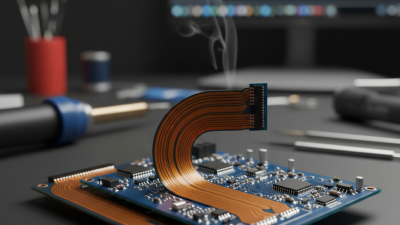
In the rapidly evolving world of electronics, finding reliable PCB solutions is crucial for manufacturers. Rigid flex PCBs have emerged as a preferred choice for many due to their unique advantages. These innovative designs combine the benefits of rigid and flexible substrates, offering versatility in compact spaces. As technology advances, the demand for efficient and durable PCB rigid flex solutions continues to rise.
Global buyers face a vast array of options in this market. It's essential to evaluate suppliers based on their expertise and customer reviews. Many manufacturers promise high quality, but not all can deliver consistently. Buyers should consider both performance and reliability while making decisions.
Moreover, the challenges of sourcing PCB rigid flex solutions can't be ignored. Different industries have varying needs, which complicates the selection process. Buyers often find themselves sifting through options without clear guidance. Thoughtful evaluation can help overcome these hurdles and ensure the right choice for your projects.
Overview of Rigid-Flex PCB Technology
Rigid-flex PCB technology represents a significant advancement in electronic circuit design. This unique combination of rigid and flexible substrates allows for more compact and efficient layouts. According to a recent industry report, the global rigid-flex PCB market is expected to grow at a CAGR of around 10% from 2021 to 2026. This growth is driven by the increasing demand for lightweight and versatile electronic devices in numerous sectors, including aerospace and medical.
One notable aspect of rigid-flex PCBs is their ability to reduce the overall size of electronic assemblies. By accommodating complex circuit designs, manufacturers can achieve greater density in smaller spaces. In certain applications, such as wearable technology, this capability is critical. However, these advancements come with challenges. For instance, they often demand higher manufacturing precision and quality control. The complexity of design and fabrication can lead to increased costs and potential production inefficiencies.
Furthermore, while rigid-flex boards offer durability and reliability in harsh environments, they are not without limitations. Their rigidity can be a hindrance in very tight spaces. In addition, improper handling during assembly may lead to performance issues. Understanding these nuances is essential for designers and manufacturers seeking to harness the full potential of rigid-flex PCBs while mitigating inherent risks.
Key Benefits of Rigid-Flex PCBs for Global Buyers
Rigid-flex PCBs combine the best of both worlds: rigid and flexible circuits. They are ideal for a variety of applications, including medical devices and aerospace technology. This versatility allows manufacturers to create compact and lightweight designs without compromising performance. Global buyers can benefit significantly from these PCBs, as they provide innovative solutions that enhance functionality.
One key benefit is the reduced space requirement. Rigid-flex designs can eliminate the need for connectors and interconnects, streamlining the overall assembly process. This compactness can lead to lower production costs and faster time-to-market. However, not all designs are straightforward. There are challenges in ensuring reliability, especially in high-stress environments. Engineers must carefully consider the materials and manufacturing processes to avoid premature failures.
Additionally, rigid-flex PCBs offer improved durability compared to traditional boards. They withstand mechanical stress and vibration better. This resilience is crucial for devices operating in harsh conditions. Despite these advantages, there are limitations. High initial costs and complex design requirements can deter some buyers. It's essential to weigh these factors against the long-term benefits to make an informed decision. The exploration of rigid-flex technology continues to evolve, offering exciting possibilities for future applications.
Top Industries Utilizing Rigid-Flex PCB Solutions
Rigid-flex PCB solutions are increasingly vital across various industries. They combine the flexibility of flexible PCBs with the sturdiness of rigid boards. This unique combination leads to compact designs, which is essential in today's technology landscape. According to a recent report from ResearchAndMarkets, the rigid-flex PCB market is expected to grow significantly, with a projected CAGR of over 12% from 2023 to 2028.
Industries such as healthcare, aerospace, and telecommunications are major players in utilizing these solutions. In healthcare, rigid-flex circuits enable advanced medical devices. Equipment like pacemakers and MRI machines benefit from the lightweight and compact nature of these boards.
Aerospace applications also rely on these PCBs for navigation and control systems, where reliability is crucial. According to Yole Développement, the aerospace industry will require more robust solutions, escalating the demand for versatile designs.
Despite these advantages, there are challenges. The production costs of rigid-flex PCBs can be higher compared to traditional PCBs. Additionally, not all manufacturers have the expertise to design and fabricate these complex units. Proper selection of materials and processes necessitates a deep understanding of the technology. Thus, collaboration among engineers and designers will be key to overcoming these obstacles.
Leading Manufacturers of Rigid-Flex PCBs in 2026
The demand for rigid-flex PCBs in 2026 is expanding rapidly. The global market is projected to grow by 10.6% annually, driven by advancements in technology. Industries like telecommunications and automotive are leading this growth. Companies seek lightweight, durable, and flexible designs that rigid-flex PCBs provide. These solutions often reduce size and improve efficiency.
Leading manufacturers are rising to the challenge. Many are focusing on sustainable materials and innovative processes. Reports indicate that 40% of buyers are prioritizing eco-friendly production. This shift is essential in today's awareness of environmental impact. With constant technological evolution, manufacturers face the pressure to innovate effectively. However, balancing quality and cost remains a complex issue.
While many companies excel in production capabilities, some struggle with quality consistency. Industry reports highlight that quality control is often overlooked during rapid scaling. This can lead to defects and inefficient designs. As competition intensifies, reliability becomes crucial for manufacturers. Addressing these challenges is vital for firms aiming to establish themselves as market leaders.
Future Trends and Innovations in Rigid-Flex PCB Solutions
The future of Rigid-Flex PCB solutions is poised for innovation. As technology advances, manufacturers must adapt to new demands. One prominent trend is miniaturization. Devices are becoming smaller, yet more functional. This necessitates the need for compact, reliable circuit board designs.
Additionally, environmental considerations are gaining importance. Sustainable materials are increasingly sought after. Many companies are now exploring eco-friendly manufacturing processes. Reducing waste and energy consumption during production is crucial. Adopting these practices not only benefits the planet but enhances corporate responsibility.
Challenges remain in achieving balance. Innovators face pressure to maintain performance while reducing costs. This can lead to compromises in quality. Continuous research and development are essential. Collaboration among engineers, designers, and manufacturers will drive progress in this dynamic field. The evolution of Rigid-Flex PCBs will depend on how well the industry addresses these complexities while meeting customer needs.