How to Buy Stainless Steel Coil Tube for Your Project?
The selection of the right Stainless Steel Coil Tube is crucial for various engineering and construction projects. According to industry reports, the demand for stainless steel products is expected to reach 60 million metric tons by 2025. This highlights the importance of choosing high-quality materials. Stainless steel offers durability and resistance to corrosion, making it ideal for many applications, including heat exchangers and automotive components.
However, not all stainless steel coil tubes are created equal. Factors such as grade, thickness, and manufacturing processes can affect performance. For example, 304 and 316 grades are commonly used due to their excellent corrosion resistance. Misjudgments in selecting the proper tube can lead to project delays and increased costs.
It is essential to evaluate suppliers carefully. Look for industry certifications and quality assurance processes that demonstrate reliability. Engaging with experienced professionals can also provide insights into specific requirements for your project. Proper research and consideration can significantly impact the success of your investment in stainless steel coil tubes.
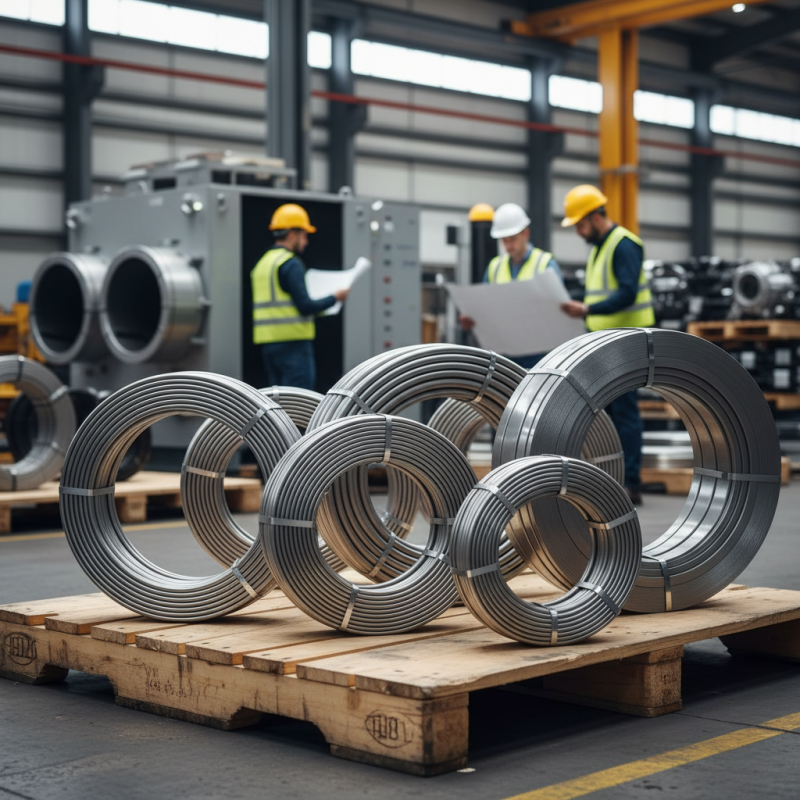
Understanding the Benefits of Stainless Steel Coil Tubes in Industrial Applications
Stainless steel coil tubes are increasingly popular in various industrial applications. Their resilience makes them ideal for harsh environments. According to a report by Freedonia Group, demand for stainless steel tubing is expected to grow significantly, primarily due to its corrosion resistance and strength. These attributes are essential in sectors like oil and gas, automotive, and food processing.
One significant benefit of using stainless steel coil tubes is their lightweight nature. This aspect helps reduce transportation costs and ease of handling during installation. Additionally, stainless steel's longevity minimizes the need for frequent replacements. Industry estimates suggest that stainless steel can last at least 50 years in proper conditions.
Tips: Always consider the specific requirements of your project. Assess the environment where the tubes will be used. This evaluation helps choose the right grade of stainless steel. Moreover, ensure that you work with reputable suppliers to guarantee product quality. While stainless steel offers many benefits, improper handling can lead to defects. Always pay attention to the details during installation and maintenance.
Key Specifications to Consider When Purchasing Stainless Steel Coil Tubes
When purchasing stainless steel coil tubes, key specifications can significantly impact your project. Start by choosing the right alloy. Different grades of stainless steel offer varying resistance to corrosion, heat, and mechanical stress. For example, 304 stainless steel is common for general use, while 316 offers enhanced resistance in marine environments.
Another critical aspect is the tube's diameter and wall thickness. These dimensions affect the strength and flexibility of the tube. Ensure the sizes match your project requirements. A mismatch may lead to potential failure in your application or wasted materials. Additionally, consider the coil's length. Longer coils can reduce the number of joints, which often weakens structures.
Tips: Always check certifications and quality standards. Verifying compliance can save you from future issues. Focus on suppliers with strong reputations. Their expertise can guide you through challenges in material selection and project execution. Don't overlook the importance of requested certifications. They reflect the tube's reliability and lifespan. Engage with professionals to avoid common pitfalls in purchasing. Having experienced advice can lead to better project outcomes.
Evaluating Suppliers: Quality Standards and Certifications for Coil Tubes
When purchasing stainless steel coil tubes, evaluating suppliers is crucial. Quality standards play a significant role in ensuring durability and performance. Manufacturers should adhere to industry benchmarks such as ASTM, ISO, or ASME certifications. These standards ensure that the products meet specific mechanical and chemical properties.
A recent report highlighted that over 45% of procurement issues stem from supplier quality failures. This statistic emphasizes the importance of selecting reliable vendors. Look for suppliers who provide transparency regarding their production processes. Compliance with ISO 9001 can indicate a commitment to quality management.
Furthermore, reviewing certification documents can help verify the authenticity of a supplier’s claims. Some suppliers may omit critical information. Be cautious and ask for comprehensive documentation. Remember, trust but verify. It’s also worth considering that not all certifications guarantee the same level of quality. Engage with industry experts or consultants who can guide you in making informed decisions.
Cost Analysis: Budgeting for Stainless Steel Coil Tubes in Your Project
When budgeting for stainless steel coil tubes, several factors come into play. Price varies based on the size and gauge. Standard dimensions are often more affordable, but unique specifications can increase costs. It's wise to request quotes from multiple suppliers. This can provide clarity on market rates and help you make an informed decision.
Quality also impacts cost. Higher quality tubes might have a higher upfront price, yet they offer better durability and performance. Consider long-term savings and maintenance costs. Sometimes, cheaper options may lead to greater issues later. It's essential to factor in these potential expenses while planning your budget.
Another aspect to contemplate is the volume of your order. Bulk purchases often yield discounts. However, overestimating your needs can tie up capital. Accurate forecasting is important. Researching your project's specific requirements is key to avoiding unnecessary expenditure. Making well-informed choices in this area can have lasting benefits.
Installation and Maintenance Tips for Stainless Steel Coil Tubes in Use
Installing stainless steel coil tubes requires attention to detail and understanding of specific requirements. Before installation, ensure you have the right tools and materials. Proper cutting of the tubes is essential. Use a quality tube cutter to avoid jagged edges. Jagged edges can lead to leaks and weaknesses in the system. Clean the ends thoroughly to promote proper sealing.
Once installed, regular maintenance is crucial. Inspect the tubes for any signs of corrosion or damage. Even stainless steel can corrode under certain conditions. Pay special attention to joints and connections. Tightening loose fittings can prevent potential leaks.
During operation, monitor the system closely. Temperature fluctuations can affect the integrity of the tubes. Use temperature sensors to help track these changes. Address any issues promptly to avoid costly repairs. Document your inspections and maintenance activities. This will help in identifying recurring problems and patterns.