Top Cattle Oral Drencher Solutions for 2026 What Buyers Need?
In the evolving landscape of cattle management, the significance of efficient feeding and medication delivery cannot be overstated. "Cattle Oral Drencher" solutions have emerged as key tools for livestock health. Dr. John Matthews, a renowned livestock veterinarian, emphasizes this point: "Effective dosing can make all the difference in cattle health outcomes."
As we approach 2026, buyers must navigate a market filled with diverse options. Quality and reliability stand out among the priorities. Many buyers seek solutions that ensure ease of use and efficiency. The right Cattle Oral Drencher should simplify the process, reducing stress for both the cattle and the handler.
Despite advancements, challenges remain. Some users report difficulties in achieving consistent dosing with available products. Others express concerns about product longevity and durability. These reflections highlight the need for ongoing innovation in the industry. Ultimately, the choice of a Cattle Oral Drencher affects not just livestock health, but farm productivity as a whole. Considerations such as these are vital for making informed purchasing decisions.
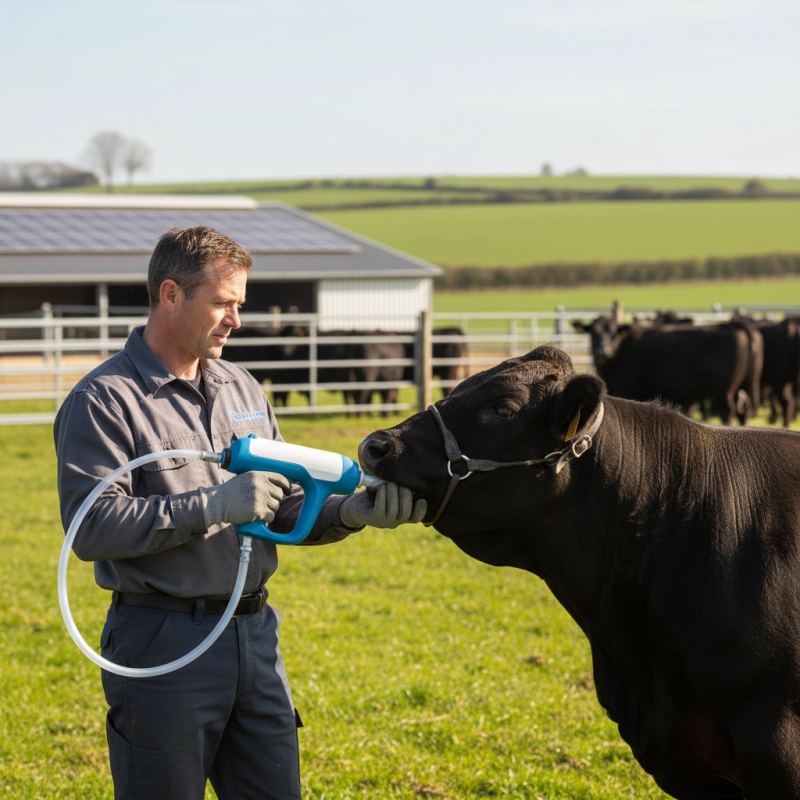
Overview of Cattle Oral Drencher Solutions in the Market
Cattle oral drenchers play a vital role in modern livestock management. These devices allow farmers to administer medications and supplements directly to cattle, ensuring proper dosage and quick absorption. The importance of selecting the right drenching solution cannot be overstated. Farmers must consider factors such as ease of use, precision, and durability.
In 2026, the market is expected to offer diverse options. Some solutions will focus on ergonomic design for better handling. Others may include advanced metering systems for accurate dosing. It’s crucial for buyers to analyze these features critically. Often, products that appear efficient may have hidden drawbacks, such as excess wear over time or difficulty in cleaning.
Effective oral drenchers should be reliable and easy to maintain. Accessibility to replacement parts must also be considered. Farmers need tools that can withstand daily use and reduce stress for both themselves and their cattle. While innovation is essential, it's also important to reflect on past choices. Some drenchers may have promised high efficiency but fell short in practice. A careful approach ensures the best choice for the herd's health.
Key Features and Benefits of Top Oral Drenchers for Cattle
When considering the top cattle oral drencher solutions for 2026, buyers should look for key features that enhance usability and efficiency. A recent industry report highlights that effective oral drenchers can improve nutrient absorption by up to 30% in cattle. This increase is crucial for maximizing growth rates and overall herd health. Many modern drencher designs focus on ergonomic features that minimize stress on both the animal and the handler.
Another essential aspect is accuracy in dosage delivery. Studies have shown that inconsistent dosing can lead to inadequate treatment and reduced productivity. Oral drencher systems that include calibrated dosing mechanisms ensure precise delivery. Furthermore, durable and easy-to-clean materials are essential for maintaining hygiene and preventing cross-contamination in livestock facilities.
Despite these advancements, challenges remain. Some drenchers may not fit all cattle sizes, creating inefficiencies. Handling techniques often vary, leading to different results in effectiveness. Education on best practices is vital. Buyers must consider these factors when looking for reliable solutions that meet their specific needs while ensuring animal welfare.
Top Cattle Oral Drencher Solutions for 2026
This chart displays the key features and benefits of various oral drenchers for cattle, highlighting their effectiveness in livestock health management.
Criteria for Selecting the Best Oral Drencher Solutions for 2026
Selecting the right oral drencher solution for cattle in 2026 requires careful consideration. Buyers need to focus on several critical criteria to ensure optimal performance and health outcomes. Effectiveness is a key factor. The National Animal Health Monitoring System (NAHMS) reports indicate that appropriately formulated drencher solutions can significantly improve nutrient absorption and animal health, leading to enhanced growth rates.
Another essential criterion is ease of use. Solutions that are user-friendly help reduce stress during administration. Research suggests that solutions designed for seamless delivery can foster a better experience for both the handler and the cattle. In areas with labor shortages, simplicity becomes paramount. Additionally, the health and sanitation of the solution must be top-notch. Unhygienic practices can lead to infections, undermining all benefits.
Cost-effectiveness is also critical. According to a recent industry report, over 40% of buyers consider return on investment as a primary decision driver. Solutions that provide value without compromising quality should be prioritized. Not all high-priced options guarantee the best results. Buyers may need to reflect on their experiences and question if they are effectively meeting their cattle's unique needs. It’s an evolving market; staying informed is vital.
Top Cattle Oral Drencher Solutions for 2026
| Criteria | Description | Importance Level | Estimated Cost (USD) |
| Ease of Use | User-friendly design for efficient administration | High | $50 |
| Durability | Material quality ensuring long-term use | Medium | $35 |
| Capacity | Volume that accommodates different livestock sizes | High | $60 |
| Maintenance | Ease of cleaning and upkeep | Medium | $20 |
| Cost-effectiveness | Affordable solutions with good performance | High | $40 |
| Compatibility | Works well with various medications | High | $45 |
Comparative Analysis of Leading Oral Drencher Brands and Models
The market for cattle oral drencher solutions continues to evolve. Buyers are looking for effective and reliable options in 2026. With several brands available, understanding their differences is crucial. Each model varies in design and functionality. Some are simpler to operate, while others offer advanced features.
In this comparative analysis, we look at important criteria for choosing a drencher. Ease of use is a top priority for many farmers. How well does a model fit in a working environment? Some drencher designs make dosing easier. Others may struggle with consistency, leading to errors. Additionally, durability plays a significant role. Models that can withstand wear and tear are preferable in long-term operations.
While brands claim superiority, it’s essential to gather feedback from actual users. Many growers share experiences that highlight both strengths and weaknesses. For example, some users report ease of cleaning, while others mention maintenance challenges. This shared insight aids in making informed choices. Ultimately, no one model suits every farmer's needs. Thoughtful consideration of individual requirements is key.
Future Trends and Innovations in Cattle Oral Drenching Technologies
The future of cattle oral drenching technologies looks promising as innovations continually enhance animal health and farm efficiency. According to a recent industry report, the global cattle drench market is projected to grow at a CAGR of 6.5% from 2023 to 2028. This growth is driven by increasing demands for better livestock management solutions and enhanced animal welfare standards.
One notable trend is the rise of digital drenching systems. These systems utilize precision technology to administer doses accurately. By integrating data analytics, farmers can now monitor health metrics in real-time. A veterinarian’s insight can be shared instantly to adjust treatment plans, creating a more dynamic approach to animal care. However, the learning curve for tech integration can be steep. For many farms, the gap between traditional methods and new technologies often requires additional training.
Moreover, innovations in formulation are important. Research shows that more palatable drenches improve intake rates among cattle. However, while innovation is on the rise, challenges remain. Some products may not align with every herd's needs. The effectiveness of each solution can vary significantly. Therefore, thorough evaluations of each option are essential before making a purchasing decision. This ensures that both the cattle’s health and the farm's efficiency are prioritized.