How to Choose the Best Electrical Wiring Devices for Your Needs?
Choosing the right Electrical Wiring Devices can significantly impact your home's safety and functionality. According to industry expert John Smith, "Selecting high-quality wiring devices is crucial for both efficiency and safety." This emphasizes the importance of understanding your specific needs.
Electrical Wiring Devices come in various types, from switches to outlets. Each serves a unique purpose. An informed choice can enhance your home’s performance. However, consumers often face a dilemma. Many overlook safety ratings and compatibility. This can lead to hazardous situations.
When selecting Electrical Wiring Devices, consider factors like durability, energy efficiency, and compatibility. These choices can seem overwhelming. Yet, taking the time to research can prevent costly mistakes. Remember, improper selections can compromise safety. Reflecting on your needs is vital in making the best choices for your home.
Understanding Different Types of Electrical Wiring Devices Available in the Market
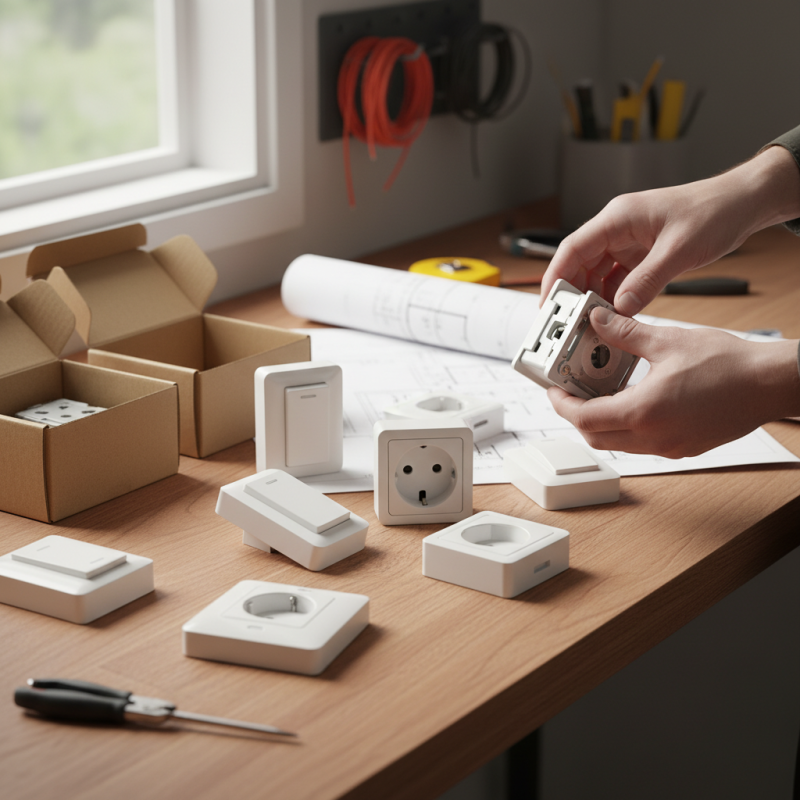
When selecting electrical wiring devices, it's crucial to understand the various types available. You might encounter switches, outlets, and dimmers, each serving a unique purpose. For instance, a standard outlet supports most household devices. However, specialized outlets cater to higher voltage needs, like those for an electric vehicle charger. The correct choice ensures safety and efficiency in your home.
Consider the materials used in wiring devices. Quality matters. Plastic is common, but metal can offer better durability. If you're renovating or building, think about the aesthetics too. Decorative switches and outlets can enhance your space. But functionality should not be compromised for looks. Investing in reliable devices can prevent future electrical issues.
Don’t overlook compatibility. Ensure your devices match your wiring system. Some older homes may need updated devices. This adjustment can be daunting but crucial for functionality. A poorly matched device might lead to malfunctions. So, take your time. Research thoroughly to make informed choices. Your wiring needs careful consideration to ensure a safe environment.
Electrical Wiring Devices: Types and Popularity
Assessing Your Power Requirements and Electrical Load Needs
When choosing electrical wiring devices, understanding your power requirements is critical. Begin by assessing the total wattage of all your appliances. This calculation helps to identify the electrical load you need to support. Make a list of devices you intend to use, and note their wattage. For instance, a refrigerator typically uses around 200-800 watts, while a microwave might use 800-1200 watts. Accumulating these figures provides a clearer picture of your needs.
Consider the amperage requirements as well. Fuses and circuit breakers have specific ratings. Installing a device that exceeds these ratings can lead to failures or even safety hazards. It's a good practice to consult with a licensed electrician for complex wiring systems. They can help ensure that your system is reliable. Remember, cutting corners may save costs now but could lead to failures in the future.
Moreover, think about the future. Will you add more devices later? Ensure there is room for expansion. Choose wiring and devices that can handle additional loads. Evaluating current needs while planning for future use should balance practicality and safety.
Evaluating Safety Features and Compliance Standards for Wiring Devices
When selecting electrical wiring devices, evaluating safety features and compliance standards is crucial. Devices must meet industry regulations to ensure user safety and product longevity. According to the National Electrical Manufacturers Association, approximately 1,000 electrical fires occur annually in the U.S. alone due to faulty wiring devices. This statistic highlights the importance of using compliant products that follow established safety standards.
Understanding specific certifications can help guide your choices. Look for devices that comply with UL (Underwriters Laboratories) standards, which indicate they have been tested for safety. Additionally, consider devices with features such as overload protection and thermal shutdown to mitigate risks. These features can prevent fires and electrical shocks, enhancing overall safety in your environment.
Tips: When shopping for wiring devices, check for compliance labels. Research the manufacturer's history with safety recalls. Regular maintenance can also help identify potential issues before they escalate. Remember that a low price isn't always a bargain if it sacrifices safety.
How to Choose the Best Electrical Wiring Devices for Your Needs? - Evaluating Safety Features and Compliance Standards for Wiring Devices
| Device Type | Safety Features | Compliance Standards | Typical Applications |
| Receptacles | Tamper-resistant, surge protection | UL1472 | Residential and commercial outlets |
| Switches | Child-safe, weather-resistant | UL Switch Standards | Lighting control in homes and businesses |
| Circuit Breakers | Overcurrent protection, ground fault protection | UL 489 | Main electrical supply protection |
| Wire Connectors | Flame-retardant, waterproof | UL 486 | Connecting wires in various applications |
| Smart Devices | Remote control, energy monitoring | FCC, UL certification | Home automation systems |
Choosing the Right Materials for Durability and Performance
When selecting electrical wiring devices, the right materials are crucial for durability and performance. Quality materials ensure safety and longevity in any electrical installation. From switches to sockets, each component should be crafted with care.
Look for devices made from high-grade thermoplastic or metal for enhanced durability. These materials resist wear and reduce the risk of electrical faults. Additionally, pay attention to the insulation properties. High-quality insulation prevents overheating, thus extending the life of your wiring devices.
Tips for selecting the best materials include checking for certifications. Devices that meet safety standards are more reliable. Also, consider the environmental factors your devices will face. Humidity, heat, and dust can affect performance. Investing in the right devices may save costs in the long run.
While aesthetic appeal is important, do not let it overshadow functionality. A sleek design might be tempting, but performance should always come first. Balance both aspects for optimal results. Remember, assessing quality often requires research and experience. Avoid rushing your choices, as careful selection pays off.
Planning for Future Upgrades and Compatibility with Existing Systems
When planning for electrical wiring devices, compatibility with existing systems is vital. Many homeowners overlook the importance of future upgrades. You may feel uncertain about selecting devices that will serve you well. Consider the current and upcoming needs of your space. Think about potential renovations or expansions. Will your wiring devices meet those future requirements?
Choosing devices with flexibility is key. Look for items with adjustable settings or modular designs. These features can save you time and money later. If you have older systems, ensure the new devices can integrate smoothly. Research the specifications and performance of different products. Some may promise compatibility but fall short in practical applications.
Reflecting on past upgrades can guide your choices. Have you struggled with devices that didn’t fit well? It's frustrating to realize that a simple oversight can lead to significant rework. Use any lessons learned to make better decisions this time. A little planning today can lead to substantial benefits tomorrow. Make choices that align with both your current lifestyle and future aspirations.