How to Choose the Best Rigid Flex Circuit for Your Needs?
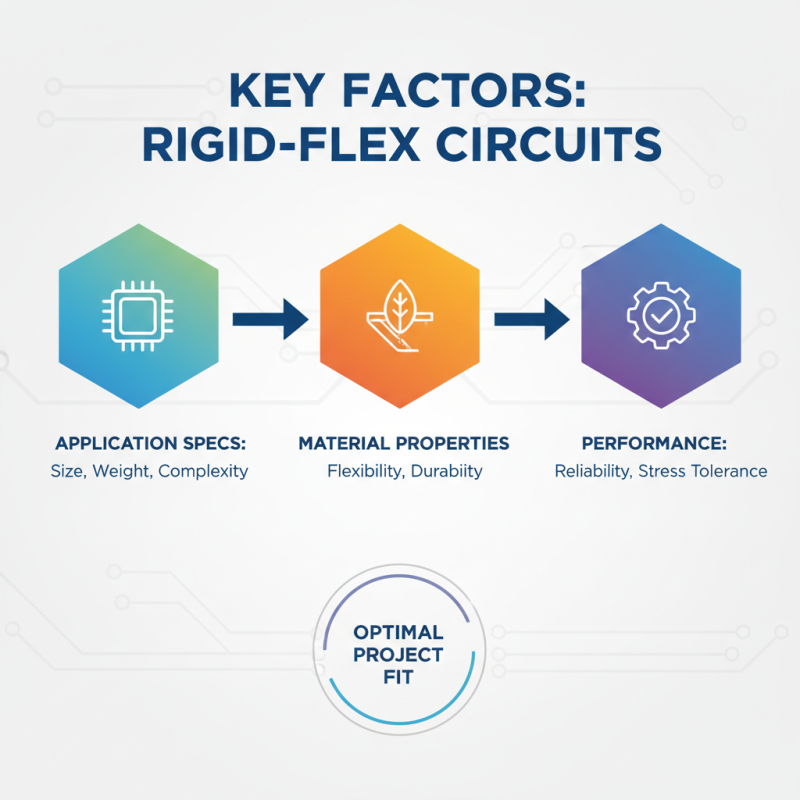
In today's rapidly evolving electronics market, choosing the right rigid flex circuit is crucial for product performance. A recent report from Research and Markets shows that the global rigid flex circuit market is expected to reach $23 billion by 2027, driven by increasing demand in sectors like consumer electronics and automotive. This data underscores the importance of selecting a reliable and high-quality rigid flex circuit to support innovative designs.
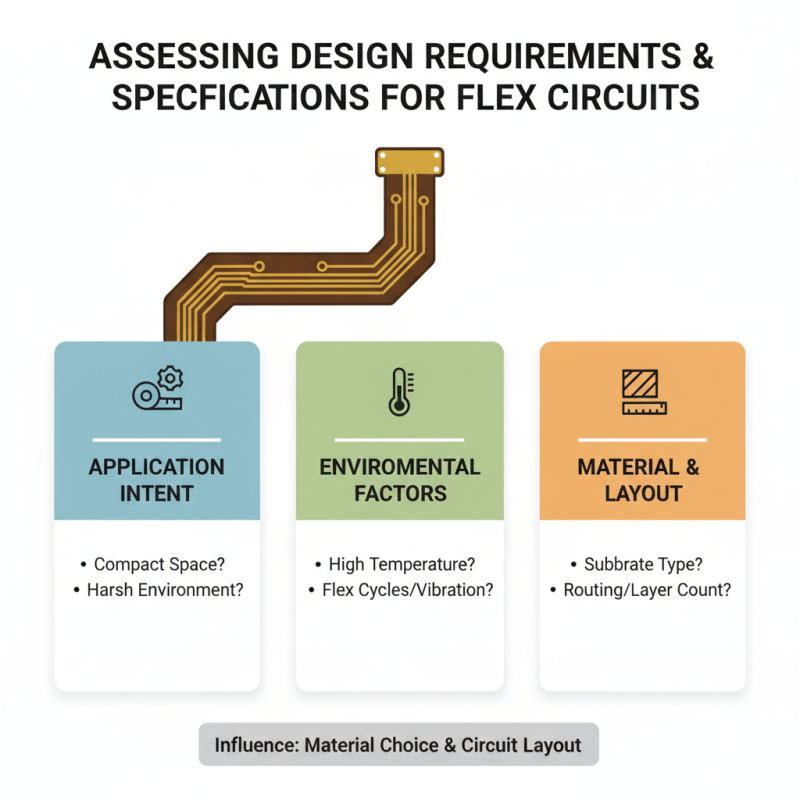
However, choosing the right circuit is not straightforward. Many factors require consideration, including material specifications, thickness, and application requirements. It can be overwhelming for manufacturers who may not have extensive experience in this area. Moreover, an article from IPC highlights that nearly 70% of design failures stem from poor material selection or inadequate understanding of flexible technology. This reflects the need for thorough research and consultation with experts to avoid costly mistakes.
Investing time in understanding the specific applications of rigid flex circuits can pay off significantly. Evaluate the trade-offs between cost and performance. Keep in mind that every decision affects the final product. Mistakes can lead to decreased reliability and increased development time. Learning from industry standards and best practices can significantly enhance the outcome of your projects.
Understanding Rigid Flex Circuits and Their Applications
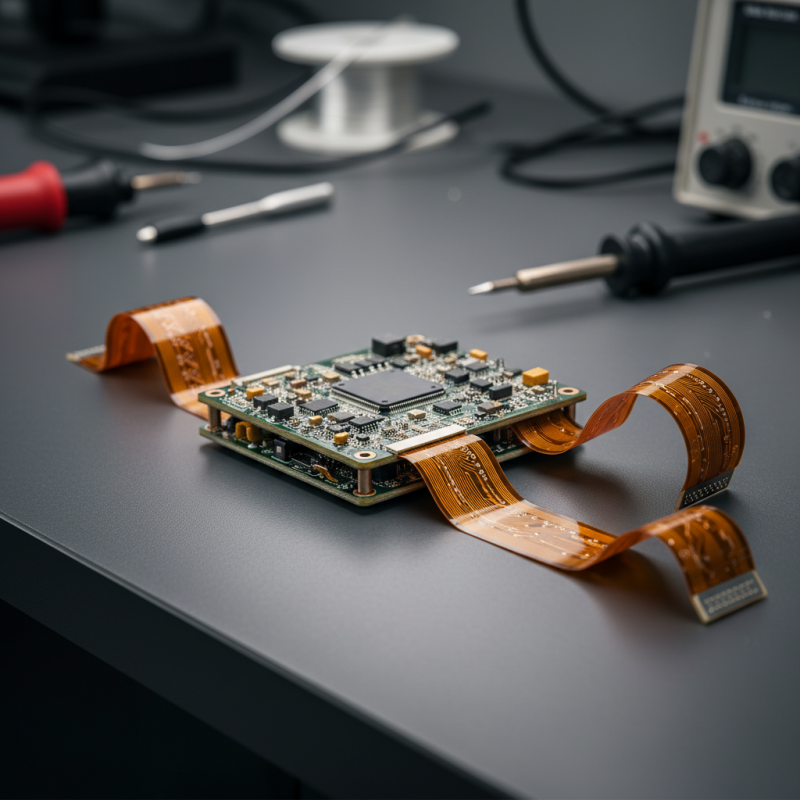
Rigid flex circuits combine the best of both worlds: flexibility and stability. These circuits integrate rigid and flexible materials into one design, making them ideal for complex electronic applications. Industries like medical, automotive, and consumer electronics heavily rely on them. Their lightweight nature and ability to fit into tight spaces help reduce the overall size of devices.
When selecting a rigid flex circuit, consider the intended application. Different specifications, such as the number of layers and material types, play crucial roles. Ensure the circuit can handle the mechanical stresses it will face. For instance, in devices exposed to vibration, choose materials designed for durability and shock absorption.
Tips: Always request a prototype. Testing the prototype under real-world conditions can reveal potential weaknesses. Evaluating performance early saves time in the long run. Also, involve engineers in the design phase; their insights can prevent costly mistakes. In an evolving market, adaptability is key; it’s essential to stay updated on the latest technologies.
Rigid Flex Circuits Applications Comparison
This chart illustrates the percentage distribution of various applications of rigid flex circuits across different industries, highlighting their versatility and importance.
Evaluating Material Options for Rigid Flex Circuit Construction
When evaluating material options for rigid flex circuit construction, the choice of base materials plays a crucial role in performance and reliability. Polyimide is popular due to its excellent thermal stability and mechanical properties. According to a report by IPC, the use of polyimide films can improve the lifespan of circuits in high-temperature environments by up to 50%. This makes it a preferred choice for industries requiring robust solutions, such as aerospace and automotive.
Another emerging material is liquid crystal polymer (LCP), known for its low dielectric constant and excellent signal integrity. Recent studies suggest that circuits made with LCP exhibit reduced signal loss, crucial for high-frequency applications. However, LCP can be more difficult to process, which may lead to higher manufacturing costs. Engineers frequently face a trade-off between performance and expense when selecting materials.
For specific applications, cost-effective alternatives like FR-4 can still be viable. While it does not match the thermal performance of polyimide or LCP, FR-4 remains the standard for many low-frequency applications. Understanding these options guides designers in making informed decisions based on project needs and budget constraints. Balancing reliability and cost will reflect the evolving nature of rigid flex circuit development.
Cost Considerations and Supplier Selection for Rigid Flex Circuits
When selecting a rigid flex circuit, understanding cost considerations and supplier selection is vital. Recent industry reports highlight that rigid flex circuits can account for up to 30% of total electronic assembly costs. This makes choosing a supplier not just a financial decision but a strategic one. Evaluating material costs, design complexity, and manufacturing processes is essential. Suppliers often have differing capabilities, which can influence the quality and price.
The global market for rigid flex circuits is expected to grow by 12% annually through 2027. This growth prompts a closer look at supplier reliability. Companies must assess the supplier's experience in producing specific circuit types. A well-established supplier may offer better support and faster turnaround times. On the other hand, a newer entrant might present lower prices but could lack the technical expertise required for complex designs.
Cost isn't everything. Communication with suppliers plays a crucial role in project success. Ensure they understand your specifications thoroughly. Misunderstandings can lead to increased expenses and longer production timelines. It's also important to periodically review supplier performance. This approach can help identify areas for improvement and ensure a responsive partnership. Finding the right balance between cost and quality is a continuous challenge.