Why Choose Commercial LED Spotlights for Retail and Museums?
In the dynamic environments of retail stores and museums, lighting plays a vital role in shaping customer experiences. Choosing the right type of illumination can enhance product displays and highlight art pieces effectively. The focus here is on the commercial LED spotlight for retail and museums. These lights provide both functionality and aesthetic appeal, making them an ideal choice for businesses and institutions alike.
Commercial LED spotlights offer numerous benefits. They are energy-efficient, which translates to lower electricity costs over time. They also provide high-quality light, boosting visibility and creating an inviting atmosphere. Additionally, their longevity means reduced maintenance efforts. However, it's important to consider the layout and design when implementing these lights. Not every spotlight will work in every space, and decisions must be made carefully.
Adopting commercial LED spotlights requires careful thought. While they are advantageous, the initial investment can be daunting. Businesses should weigh short-term costs against long-term benefits. Museums, in particular, must prioritize the preservation of art alongside effective lighting. Engaging with experts can lead to better choices and optimized results. Through careful evaluation, the potential of commercial LED spotlights can truly be unlocked.
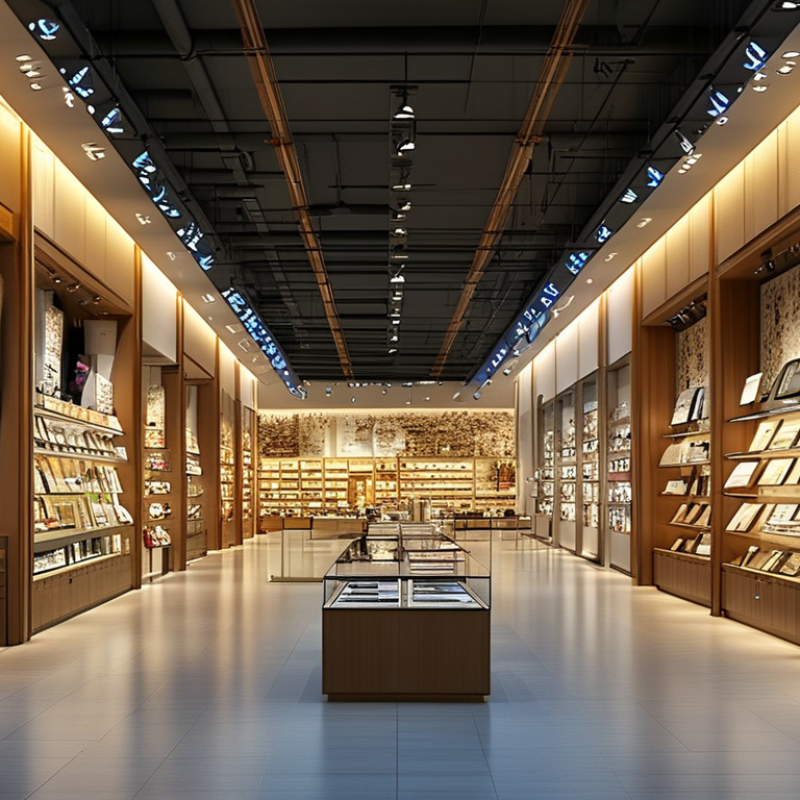
Benefits of Commercial LED Spotlights in Retail Spaces
Commercial LED spotlights have become essential in retail and museum spaces. They provide energy efficiency and bright illumination. These fixtures enhance visual appeal while reducing electricity costs. Retailers can effectively highlight products, drawing customers' attention. Museums can showcase artworks and exhibits, creating an engaging atmosphere.
The versatility of LED spotlights is remarkable. They come in various colors and intensities. This flexibility allows spaces to adapt lighting based on specific needs. Proper lighting can alter the perception of a retail space or enhance an exhibit's impact. However, improper placement may lead to shadows or uneven lighting, diminishing the overall effect.
Moreover, LED technology has a longer lifespan compared to traditional bulbs. This reliability translates to fewer replacements and maintenance costs. Yet, there's a risk; if not monitored, color temperature may shift over time, affecting displays. Balancing aesthetics and functionality is crucial for creating inviting environments in both retail spaces and museums.
Enhancing Visual Appeal with LED Lighting in Museums
LED spotlights can significantly enhance the visual appeal of museums. These lights offer precise illumination, bringing out the textures and colors of artworks. Unlike traditional lighting, LED spotlights minimize glare, allowing visitors to focus on details. This quality transforms ordinary displays into captivating experiences.
It is crucial to choose the right color temperature. Warmer light creates an inviting atmosphere, while cooler tones can highlight intricate details. Exhibitions featuring historical artifacts benefit from soft lighting. However, some might overlook the importance of light placement and intensity. Improperly positioned lights can cast undesirable shadows, detracting from the exhibit's beauty.
Reliability is another key factor. LED lights have a longer lifespan compared to incandescent bulbs. They also reduce energy consumption, aligning with sustainability goals. However, transitioning to LED requires investment. Some museums might struggle with budget constraints when upgrading their lighting systems. Thoughtful planning is essential to create a balance between aesthetics and practicality. This reflection can help in making informed choices for showcasing art effectively.
Energy Efficiency and Cost Savings of LED Spotlights
Choosing commercial LED spotlights for retail and museums is not just about aesthetics. Energy efficiency plays a crucial role in cutting costs significantly. According to the U.S. Department of Energy, LED lighting can be up to 75% more energy-efficient than traditional incandescent bulbs. This translates to reduced energy bills and lower carbon footprints for businesses. With rising electricity costs, it becomes essential to consider these savings.
In the museum sector, where precise lighting is crucial for art preservation, LED spotlights offer a reliable solution. They produce minimal heat, which reduces the risk of damage to sensitive materials. The National Museum of Australia reported that switching to LED lighting reduced their energy consumption by 70%, further showcasing the effectiveness of LEDs in large spaces.
Considering it's essential to balance between cost and quality, evaluate the lumen output per watt when selecting spotlights. Aim for products with at least 100 lumens per watt. This level of brightness ensures efficient lighting while maintaining a warm ambiance. Also, remember that not all LEDs are created equal. Look for products with a good color rendering index (CRI) above 80 to ensure colors appear vibrant and true. The right choice can enhance customer experience while providing energy savings.
Versatility of LED Spotlights for Various Retail and Exhibit Needs
LED spotlights offer remarkable versatility for retail and museum environments. They can effectively highlight products and artworks, creating an engaging experience for visitors. The ability to adjust brightness and focus enables shops to showcase specific items, drawing customer interest. In a museum, these lights can illuminate historical artifacts without damaging them, ensuring every detail is visible.
Different settings require different lighting needs. For boutiques, warm light complements luxurious fabrics and vibrant colors, enhancing the shopping experience. In contrast, museums often utilize cooler tones to reflect the true colors of exhibits. Some establishments may find that a softer light creates a more inviting atmosphere, while others prefer a more dramatic effect.
Not all spaces are designed alike, and sometimes this presents a challenge. The ceiling height, wall colors, and display arrangements can impact light effectiveness. Finding the right balance is crucial. It may require several adjustments to achieve the perfect spotlight technique. This experimentation can lead to a better understanding of how lighting affects perception, ultimately benefiting both retailers and curators.
Benefits of Choosing Commercial LED Spotlights for Retail and Museums
This bar chart illustrates the key benefits of commercial LED spotlights, rated on a scale from 1 to 10. The ratings indicate how these benefits contribute to the effectiveness of LED spotlights in retail and museum settings.
The Role of Color Rendering in Commercial Lighting Choices
The choice of lighting in retail and museums plays a crucial role in shaping experiences. Color rendering, a term that refers to how accurately a light source displays colors, significantly impacts how products and artworks are perceived. High-quality LED spotlights enhance colors, making them vibrant and true to life. This accuracy draws customers in, creating a more inviting atmosphere.
In retail spaces, great lighting can influence purchasing decisions. Products under well-rendered light look more appealing. However, achieving the right balance can be tricky. Improper lighting can wash out colors or create an unflattering look. It's essential to test different light sources to see how they affect product displays.
Museums face similar challenges. Art pieces require lighting that respects the artist's intent while ensuring visibility. Color rendering is vital here. Flawed lighting can alter perceptions and misshape artworks' narratives. Curators must invest time in selecting the appropriate LED spotlights. The goal is to honor the art and engage viewers meaningfully. Balancing aesthetics and functionality often requires ongoing adjustments and reflection on past choices.
Why Choose Commercial LED Spotlights for Retail and Museums? - The Role of Color Rendering in Commercial Lighting Choices
| Aspect | LED Spotlights | Traditional Lighting |
| Energy Efficiency | 90% more efficient | Less efficient |
| Lifespan | 25,000 - 50,000 hours | 1,000 - 2,000 hours |
| Color Rendering Index (CRI) | 80-98 | 50-85 |
| Heat Emission | Low | High |
| Flicker Rate | Low | Variable |