Why Choose Electric Forklift Battery for Your Warehouse Needs?
The choice of power source in a warehouse can significantly impact efficiency and costs. Electric forklift batteries are becoming increasingly popular in various sectors. According to a report by the Industrial Truck Association, approximately 70% of warehouses are transitioning to electric-powered equipment. This shift indicates a growing recognition of the benefits offered by Electric Forklift Batteries.
Electric forklift batteries provide numerous advantages. They are environmentally friendly, reducing harmful emissions in the workplace. Furthermore, they require less maintenance compared to their internal combustion counterparts. A study from the Battery Council International highlights that electric batteries can lower operational costs by as much as 30%. Despite these benefits, some warehouses still hesitate, often due to perceived limitations in battery life and charging time.
Understanding the unique needs of your warehouse is crucial. While electric batteries support heavy lifting and demanding schedules, they are not a one-size-fits-all solution. Reflection on specific operational requirements is essential when considering an Electric Forklift Battery system. Balancing these insights with expert research will guide you toward a more efficient and sustainable warehouse operation.
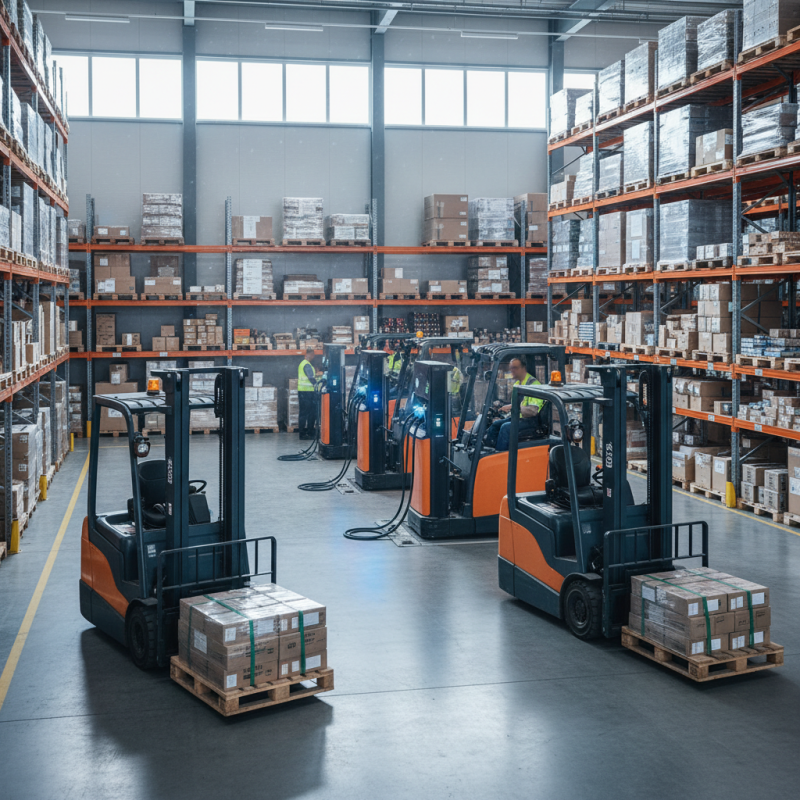
Benefits of Electric Forklift Batteries for Warehouse Operations
Electric forklift batteries are changing how warehouses operate. Their efficiency and environmental benefits stand out. Unlike traditional batteries, electric options require less maintenance. This can save your team time and reduce operational costs significantly.
Using electric forklifts can cut down on noise pollution too. Many warehouses struggle with noise levels, affecting productivity. Electric batteries operate quietly, allowing for a more conducive working environment. They also provide consistent power, increasing equipment reliability throughout shifts.
Tips: Always monitor battery charge levels. A sudden power loss can interrupt your workflow. Consider implementing charging stations in convenient locations. Additionally, train staff on proper battery handling. This will prolong battery life and enhance safety in the workplace.
Comparison of Electric Forklift Batteries and Traditional Batteries
Electric forklift batteries have transformed warehouse operations. They provide a cleaner and more efficient alternative to traditional lead-acid batteries. Electric batteries are typically lighter and deliver consistent power throughout their life cycle. This means more productivity for your team as they won’t face the downtime associated with traditional batteries.
However, traditional batteries still have their merits. They are often less expensive upfront and easily recharged. Some operators might notice a longer lifespan with lead-acid in certain applications. Proper maintenance and care are essential, though, as neglected traditional batteries can quickly lead to performance issues. Understanding these differences helps make an informed choice for your warehouse.
Many warehouses benefit from the reduced environmental impact of electric batteries. They produce no emissions, making them safer for indoor use. However, the initial investment can be daunting for some businesses. Evaluating both options based on your specific needs and long-term goals will lead to better decisions. Each choice comes with pros and cons, and weighing them carefully can enhance warehouse efficiency.
Impact of Electric Forklift Batteries on Warehouse Efficiency
Electric forklift batteries are crucial for enhancing warehouse efficiency. According to a study by the Material Handling Institute, electric options can improve operational efficiency by up to 30%. They have a longer lifespan compared to traditional lead-acid batteries, leading to fewer replacements. This reduction in downtime can significantly increase productivity levels over time.
Another key factor is the reduction in maintenance needs. Electric batteries require less upkeep, which translates to savings in labor costs. The average maintenance cost for electric batteries is about 50% lower than that of lead-acid alternatives. Additionally, the reduced need for servicing means fewer disruptions in workflow, further boosting overall productivity.
Sustainability is also an important issue. Electric batteries produce zero emissions on-site, supporting cleaner operations. As warehouses strive for greener practices, this aligns with industry trends toward sustainability. However, the upfront investment in electric technology can be a hurdle for some businesses. Balancing initial costs with long-term benefits requires careful planning. Adopting these batteries is a step toward future-ready warehouse operations.
Environmental Advantages of Using Electric Forklift Batteries
Electric forklifts powered by batteries are gaining traction in warehouses. One significant reason lies in their environmental benefits. Unlike traditional fuel-powered options, electric batteries produce no harmful emissions. This change contributes to healthier air quality in workspaces. Improved air quality also leads to better employee health and productivity levels.
Using electric forklift batteries promotes sustainability. These batteries are often recyclable, reducing waste. Proper disposal and recycling can minimize environmental impact. This approach aligns with the growing emphasis on eco-friendly practices within industries. However, challenges arise in battery management and maintenance. Users must be diligent about charging cycles and battery life. Regular monitoring is crucial to prevent operational issues.
Embracing electric forklift batteries is not just a trend; it's a commitment to a cleaner future. The transition requires careful planning and adaptation. Some warehouses may face initial resistance to change. Training staff effectively can ease this transition. This commitment can lead to long-term cost savings and environmental improvements.
Factors to Consider When Choosing Electric Forklift Batteries for Warehouses
When considering electric forklift batteries for your warehouse, key factors are crucial. Battery capacity directly affects performance. Larger warehouses often require higher capacity batteries. This ensures longer usage without frequent recharging.
Additionally, charging time plays a vital role. Fast charging batteries can help reduce downtime. They can be fully charged within a couple of hours. However, it’s essential to evaluate your operational hours. Some warehouses may find longer charging times manageable, while others cannot afford delays.
Battery maintenance is another important aspect. Regular checks can prevent issues and prolong battery life. Look for batteries that are easy to maintain. This may save costs over their lifespan.
**Tips:** Consider investing in a battery management system. It tracks battery health and charging cycles. Always consult with experts for tailored advice. Don’t overlook employee training on battery care. Proper usage can lead to better efficiency.
Why Choose Electric Forklift Battery for Your Warehouse Needs?
| Battery Type | Capacity (Ah) | Voltage (V) | Weight (lbs) | Recharge Time (hrs) | Lifecycle (Cycles) | Typical Applications |
| Lead Acid | 200 | 48 | 600 | 8 | 1500 | General Warehouse |
| Lithium-ion | 250 | 48 | 550 | 2 | 3000 | Frequent Use |
| Gel | 210 | 48 | 580 | 6 | 1200 | Temperature Sensitive Areas |