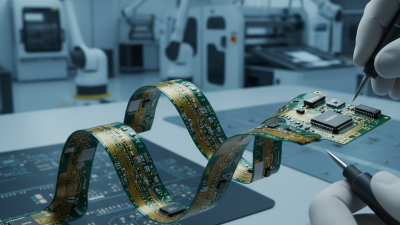
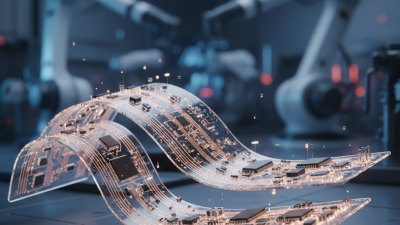
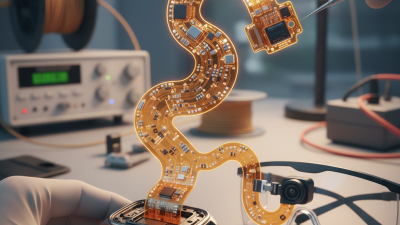
Why Choose Flexible PCB Fabrication for Your Next Project?
The demand for flexible PCB fabrication is on the rise, driven by advancements in technology. According to a market research report by MarketWatch, the global flexible printed circuit board market is projected to reach $38 billion by 2027. This growth is largely attributed to the increasing need for miniaturized electronic devices and wearable technology.
Experts highlight the unique benefits of flexible PCBs. Dr. Emily Zhang, a leading figure in PCB technology, notes, “Flexibility in circuit design allows for innovative applications in compact spaces.” Her insights emphasize how flexible PCB fabrication enables engineers to push boundaries in design and functionality.
Despite the advantages, some challenges persist. Ensuring consistent quality during production can be complex. Manufacturers must address potential issues such as material compatibility and strain relief. The industry continues to refine processes to mitigate these problems. Ultimately, flexible PCB fabrication presents an exciting path forward for electronics, but it requires careful consideration and expertise.
Benefits of Flexible PCB for Modern Electronics Applications
Flexible PCBs, or printed circuit boards, are increasingly popular in modern electronics. Their adaptability makes them ideal for a range of applications. With a flexible design, these circuits can fit into compact spaces and conform to various shapes. This flexibility enhances the overall functionality of devices, especially in wearables and portable electronics.
In addition to their versatile nature, flexible PCBs also offer significant weight savings. Traditional rigid boards can add bulk to designs, which is often undesirable. This reduction in weight is critical for products like drones and fitness trackers. Moreover, flexible PCBs can withstand bending and twisting, as their materials are designed for durability. However, they may be more sensitive to certain environmental factors, which requires careful consideration in engineering.
Despite these advantages, some challenges persist. The manufacturing process can be more complex than rigid boards. There’s also a learning curve for designers who must adapt to new techniques. Experimentation is necessary to fully exploit the potential of these boards. As technology evolves, understanding the balance between flexibility and reliability will be crucial for future innovations.
Why Choose Flexible PCB Fabrication for Your Next Project? - Benefits of Flexible PCB for Modern Electronics Applications
| Feature |
Flexible PCB |
Rigid PCB |
| Weight |
Lighter |
Heavier |
| Flexibility |
Highly flexible |
Rigid |
| Space Saving |
Compact design |
Bulkier design |
| Manufacturing Cost |
Potentially lower for small runs |
Higher for small runs |
| Durability |
Good in dynamic flex applications |
Good for static applications |
| Ease of Assembly |
Easier in constrained spaces |
May require more space |
| Applications |
Wearable tech, medical devices |
Consumer electronics, automotive |
Comparative Cost Analysis: Flexible vs. Rigid PCB Manufacturing
When evaluating the costs of flexible versus rigid PCB manufacturing, several factors come into play. Initial studies suggest that flexible PCBs can reduce overall costs in certain applications. According to a report by the IPC, flexible PCB production can cut assembly time by 30%. This efficiency often translates to fewer labor costs.
The materials used in flexible PCBs tend to be lighter and thinner. This characteristic allows designers to minimize the size of the overall assembly. However, the raw material costs can be approximately 10-15% higher for flexible options due to their specialized manufacturing processes. A comparison found that while rigid PCBs may cost $1-$3 per unit, flexible variants can range from $2-$5.
These variations highlight a crucial consideration: the long-term savings from a flexible design may outweigh initial expenses. A recent industry survey indicated that 60% of engineers prefer flexible PCBs for projects requiring intricate designs. Reduced size can lead to savings in shipping and storage. However, the learning curve associated with flexible assembly can pose challenges. Understanding these trade-offs is vital for making informed decisions on PCB manufacturing for future projects.
Design Flexibility and Space Efficiency in Flexible PCBs
Flexible PCBs (Printed Circuit Boards) offer unique advantages in design flexibility and space efficiency. Their inherent ability to bend, twist, and adapt makes them ideal for modern electronic devices. According to a recent report from the IPC, flexible PCB market growth is projected to exceed 10% annually. This demand arises from industries seeking compact and lightweight solutions.
Designing with flexible PCBs allows engineers to conform to diverse shapes and sizes, catering to innovative product requirements. In fact, a study by Research and Markets highlights that nearly 70% of engineers prefer flexible designs for wearables and IoT devices. This flexibility translates into utilizing limited space more effectively. With traditional rigid PCBs, layout constraints often limit product design. Often, designers find themselves forced to compromise on functionality.
However, challenges remain in sourcing materials and ensuring durability. The reliability of flexible PCBs can vary based on application and environmental factors. Engineers must consider these aspects when evaluating project needs. Space efficiency through flexible designs often comes at the cost of potential complexities in manufacturing. A thorough understanding of these trade-offs is vital to achieving the ideal balance in PCB design.
Impact of Flexible PCBs on Product Lifespan and Reliability
Flexible PCBs have revolutionized the electronics industry by enhancing product lifespan and reliability. The unique design allows for intricate layouts, accommodating devices with tight spaces. Such flexibility means less stress on solder joints during use, reducing the chance of failure. The ability to bend and twist enables these PCBs to withstand conditions where traditional boards may falter.
In harsh environments, flexible PCBs often outperform their rigid counterparts. They are resistant to shock, vibration, and temperature fluctuations. This durability can lead to longer-lasting products, minimizing the need for repairs or replacements. However, not all flexible designs are created equal. Manufacturing processes must be meticulously controlled. Even slight deviations can impact reliability and longevity.
Designers must carefully consider their material choices. The right selection of substrates and coatings is crucial. Some materials may not provide the necessary thermal conductivity or moisture resistance. Every choice counts in ensuring long-term performance. In the evolving landscape of electronics, the focus on reliability is more critical than ever. Embracing flexible PCBs could be a turning point for many projects.
Innovation in Industries: Case Studies Using Flexible PCB Technology
Flexible PCB technology has made significant strides across various industries, offering innovative solutions to complex challenges. For instance, in the medical field, flexible PCBs are essential for developing compact, wearable devices that monitor patients' health in real time. According to a recent report by MarketsandMarkets, the flexible printed circuit board market is expected to reach USD 30.27 billion by 2025, showcasing a compound annual growth rate of 11.5%. This growth underscores the demand for advanced and adaptable electronic solutions.
In the automotive industry, flexible PCBs enable the design of lightweight and durable components, making vehicles more efficient. A case study highlighted how a major automotive manufacturer integrated flexible circuits into their infotainment systems, reducing space and weight while enhancing functionality. These improvements are critical as the global automotive market shifts towards electric vehicles. Additionally, a study by Research and Markets indicated a projected 20% increase in flexible PCB usage in automotive applications over the next few years.
While flexible PCBs offer tremendous potential, challenges remain. The manufacturing process can be more complex than traditional PCBs, leading to higher costs. Furthermore, not every application may benefit from this technology, prompting designers to carefully assess their project's requirements. Balancing flexibility with reliability is crucial for long-term success. As industries continue to evolve, the need for innovative solutions like flexible PCBs will persist, albeit with careful consideration of their utility and challenges in practical applications.