How to Choose the Right Electronic PCB Assembly for Your Project?
Choosing the right electronic PCB assembly is crucial for project success. John Smith, a leading expert in this field, states, "The quality of PCB assembly directly impacts product reliability." This statement underscores the importance of making informed decisions.
When selecting an electronic PCB assembly service, consider your project requirements carefully. Factors like board complexity, production volume, and turnaround time play significant roles. Each detail can greatly affect the final outcome. Remember, it is not just about cost; quality matters too. You may find cheaper options that compromise reliability.
Many projects fail due to overlooked assembly details. Ensure you prioritize communication with your chosen provider. Ask questions and request samples. A careful approach will help avoid potential mistakes later in production. Balancing quality with cost is often challenging, but necessary for success.
Understanding Your Project Requirements for PCB Assembly
Choosing the right electronic PCB assembly starts with understanding your project requirements. Start by defining your project's goals clearly. What functions should the PCB perform? Identify the necessary components and their specifications. Many overlook the importance of this initial step. Neglecting it can lead to mismatched designs and functionalities.
Next, consider the environmental conditions the PCB will face. Will it be subjected to extreme temperatures, moisture, or vibrations? These factors greatly influence material choice and assembly techniques. Aim for an assembly that can handle what your project demands. If you're unsure, consult with experts. Sometimes, their insights can reveal aspects you might have missed.
It is also crucial to assess your budget and timeline. A rushed project often results in errors. Balance quality and cost carefully. Don’t sacrifice functionality for lower prices. Be ready to reflect on your decisions throughout the process. Regular evaluations can shine a light on potential issues before they arise.
How to Choose the Right Electronic PCB Assembly for Your Project?
| Project Requirement |
Description |
Importance |
Recommended PCB Type |
| Complexity |
Level of circuit complexity and components used. |
High |
Multi-layer PCB |
| Size |
Dimensions of the PCB and available space. |
Medium |
Standard or custom size PCB |
| Production Volume |
Expected number of PCBs to be produced. |
High |
Automated assembly PCB |
| Lead Time |
Timeframe for complete assembly. |
Critical |
Quick-turn PCB |
| Budget |
Total available funds for PCB assembly. |
High |
Cost-effective PCB |
| Regulatory Requirements |
Compliance with industry standards and regulations. |
High |
Certified PCB |
Evaluating Different Types of PCB Assembly Services Available
When evaluating PCB assembly services, it's important to consider several factors. Different types of services cater to unique project needs. Some companies offer full-service solutions, handling everything from design to assembly. Others may specialize in specific assembly processes, like surface mount technology (SMT) or through-hole assembly.
Look closely at your project's requirements. If speed is critical, choose a service known for quick turnaround times. Examine their quality control processes too. It's essential that the assembled PCBs meet industry standards. Communication with potential assembly providers is key. Clarify any uncertainties about their processes and capabilities.
Finding the right partner is not always straightforward. You might feel overwhelmed by the options. Some providers may appear impressive but lack real-world experience. It's crucial to ask for references to assess their reliability. Reflect on your own needs and how they align with what each service offers. Sometimes, trial and error is part of the process.
Key Factors to Consider When Selecting a PCB Manufacturer
When selecting a PCB manufacturer, several key factors can guide your decision. One of the most important is quality control. Ensure the manufacturer has established protocols. They should perform regular inspections and tests. A focus on quality will save you time and costs later.
Another factor to consider is the manufacturer’s experience. A seasoned company can better navigate challenges. They are likely to have dealt with similar projects. This experience can lead to innovative solutions. Additionally, assess their communication process. Clear communication helps in understanding project details. Misunderstandings can lead to costly mistakes.
Tips: Always ask for references. Reach out to past clients to get insights. Don’t hesitate to follow up on any red flags. Trust your instincts when something feels off. Choose a manufacturer who understands your vision. They should be willing to adapt and collaborate. This chemistry is crucial for successful outcomes.
Assessing the Quality and Reliability of PCB Assembly Providers
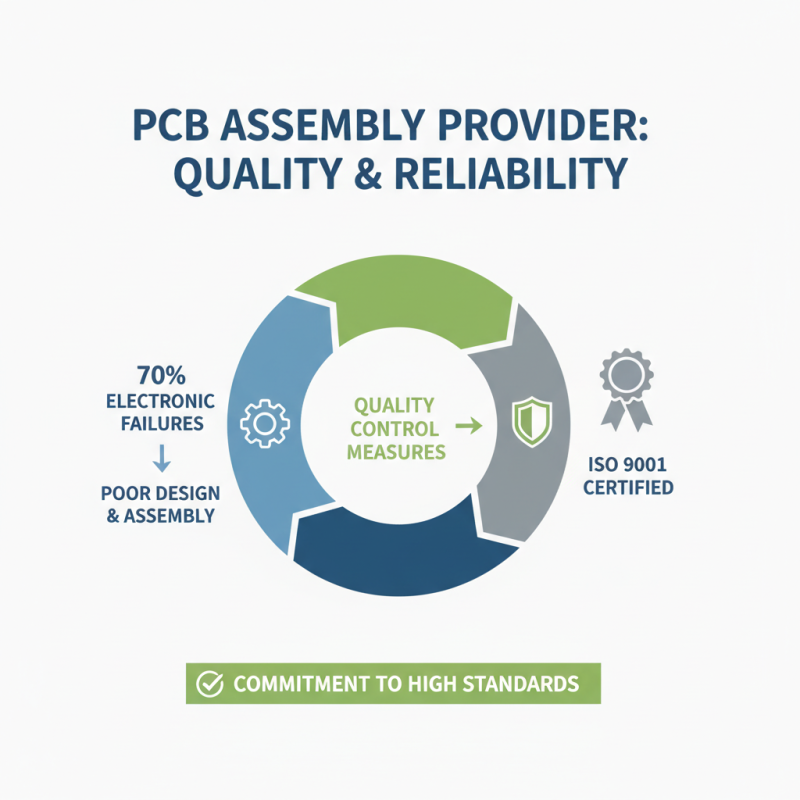
When assessing the quality and reliability of PCB assembly providers, various factors come into play. Industry reports indicate that around 70% of electronic failures are due to poor PCB design and assembly. It's crucial to choose a provider that emphasizes quality control measures. Look for those with certifications like ISO 9001. This demonstrates a commitment to maintaining high standards throughout the assembly process.
Additionally, reviewing customer feedback is essential. Many users report that assembly errors often stem from inadequate communication between engineers and assembly teams. It's advisable to consider providers that prioritize a collaborative approach. Data suggests that companies with strong communication strategies experience a 50% reduction in assembly defects.
Lastly, assess the provider’s testing capabilities. A provider with robust testing methods not only ensures adherence to specifications but also reduces the risk of product failure. If a provider lacks comprehensive testing, it might indicate potential problems down the line. In this way, analyzing quality and reliability is not just about checking boxes; it often requires a deeper look into processes and feedback mechanisms.
Comparing Cost-Effectiveness of PCB Assembly Options for Your Project
When selecting a PCB assembly option, cost-effectiveness is critical for project success. Different assembly methods can significantly impact your budget. For instance, manual assembly might be cheaper upfront but can lead to higher labor costs over time. Consider both initial and long-term expenses when weighing your choices.
It’s essential to evaluate the total cost of ownership. This includes material costs, labor, and potential rework or defects. Automated assembly can seem costly initially, but it often reduces errors. Fewer mistakes mean less money spent on fixes later. However, not all projects require this level of precision, which can lead to overspending.
Choosing the right option becomes tricky. A project with simple designs may benefit from manual assembly, saving costs. But for complex boards, without proper automation, you risk higher long-run costs. Finding the right balance isn’t easy. Take time to reassess your needs frequently as your project evolves.