Why Choose Rigid Flex PCB for Your Electronics Projects?
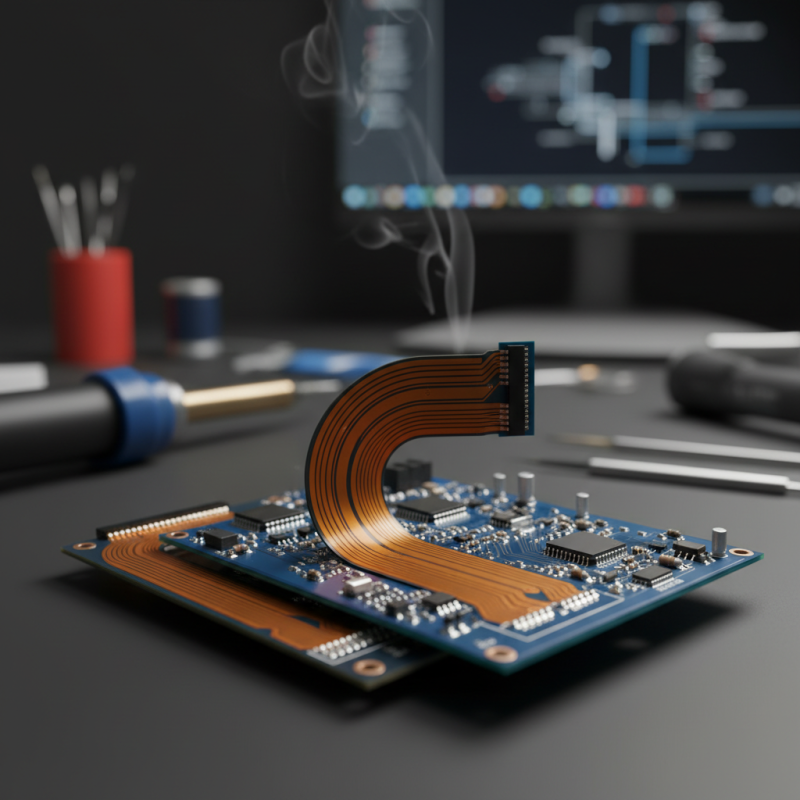
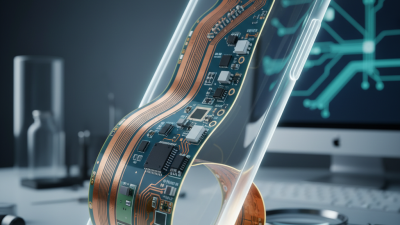
Rigid flex PCBs are an innovative solution in modern electronics. Industry expert Dr. Emily Chen once stated, "Choosing rigid flex PCB can maximize design efficiency." This technology combines the benefits of rigid and flexible circuits. It allows for compact designs and improved performance.
The adaptability of rigid flex PCBs is notable. They can fit into tight spaces and maintain electrical integrity. However, this technology can be costly. Understanding its potential versus budget is crucial. Engineers often face the challenge of balancing innovation with expenses.
Furthermore, rigid flex PCBs can enhance reliability in demanding environments. They are suitable for industries like aerospace and medical devices. Despite these advantages, some still hesitate to adopt this technology. It requires careful consideration of design challenges and manufacturing processes.
Advantages of Rigid Flex PCBs in Electronics Projects
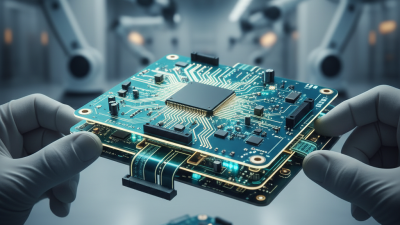
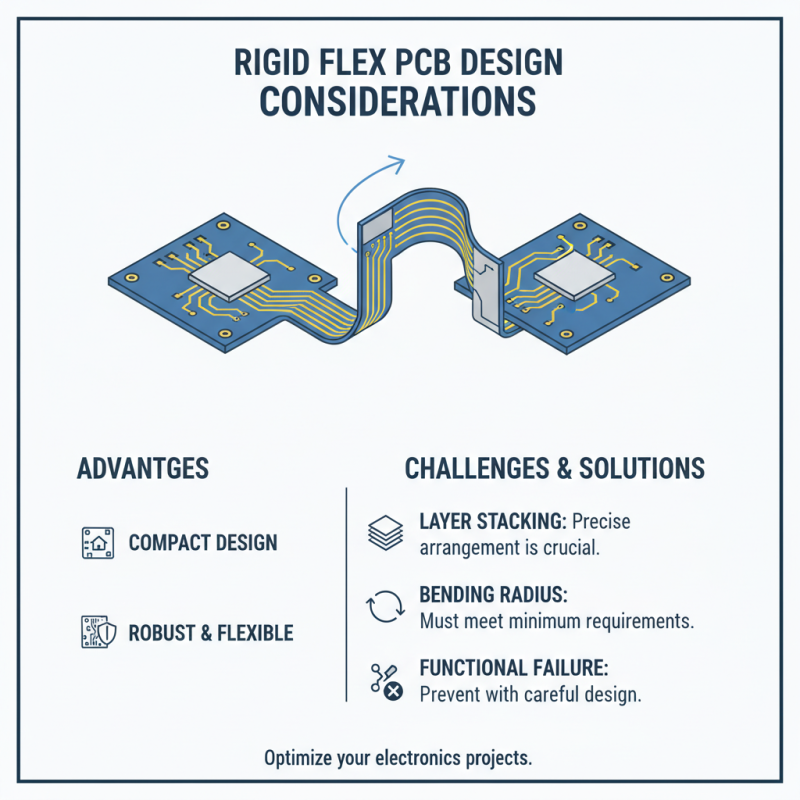
Rigid flex PCBs offer a unique solution for electronics projects. These boards combine the benefits of both rigid and flexible circuits. This hybrid design allows for more compact and efficient layouts. With a rigid section for stability and flexible areas for adaptability, they fit into diverse applications.
One of the key advantages is weight reduction. Rigid flex PCBs can lighten the overall device without sacrificing performance. This can be crucial in portable electronics where every gram counts. They also provide improved durability. The flexible parts can withstand movement and bending, reducing the risk of breakage. However, the complexity in manufacturing can lead to higher costs. It's important to weigh these factors carefully.
Designing with rigid flex technology presents challenges. Engineers must account for the different materials used and how they react under stress. This requires a deep understanding of materials and their behavior. Mistakes in this area can lead to failures. Yet, the potential rewards are significant. More streamlined devices can be developed that meet modern demands. Ultimately, the decision to choose rigid flex PCBs should align with specific project goals and requirements.
Key Applications of Rigid Flex PCBs in Various Industries
Rigid flex PCBs are gaining traction across various industries due to their unique advantages. These flexible yet rigid circuits allow for innovative designs, especially in space-constrained applications. According to a recent industry report, the global rigid flex circuit market is expected to reach $5.6 billion by 2025, demonstrating a compound annual growth rate of 10%. This growth highlights the increasing demand for compact, lightweight solutions in electronics.
In the medical device sector, rigid flex PCBs play a crucial role. They are used in portable medical equipment, such as heart monitors and imaging systems. These devices require high reliability and performance under tight space constraints. A study showed that 75% of medical device developers prefer rigid flex designs for their compactness and efficiency. However, the production can be challenging. Certain designs may face durability issues under rigorous use, which requires careful planning and optimization during the manufacturing process.
The automotive industry also benefits from rigid flex technology. These PCBs are integral in advanced driver-assistance systems (ADAS) and infotainment systems. Rigid flex circuits allow seamless integration of complex features into smaller spaces. Reports indicate that the automotive segment accounts for 30% of the rigid flex PCB market. Yet, the industry must also confront issues like heat management and environmental stress. Ensuring long-term reliability and performance remains a pressing challenge for engineers.
Why Choose Rigid Flex PCB for Your Electronics Projects?
This chart illustrates the adoption rates of Rigid Flex PCBs across various industries, showcasing their importance in modern electronics. Industries such as Aerospace and Telecommunications lead in the adoption of this technology due to the unique benefits that Rigid Flex PCBs offer, including flexibility, reduced size, and higher reliability in diverse applications.
Comparing Rigid Flex PCBs with Traditional PCB Solutions
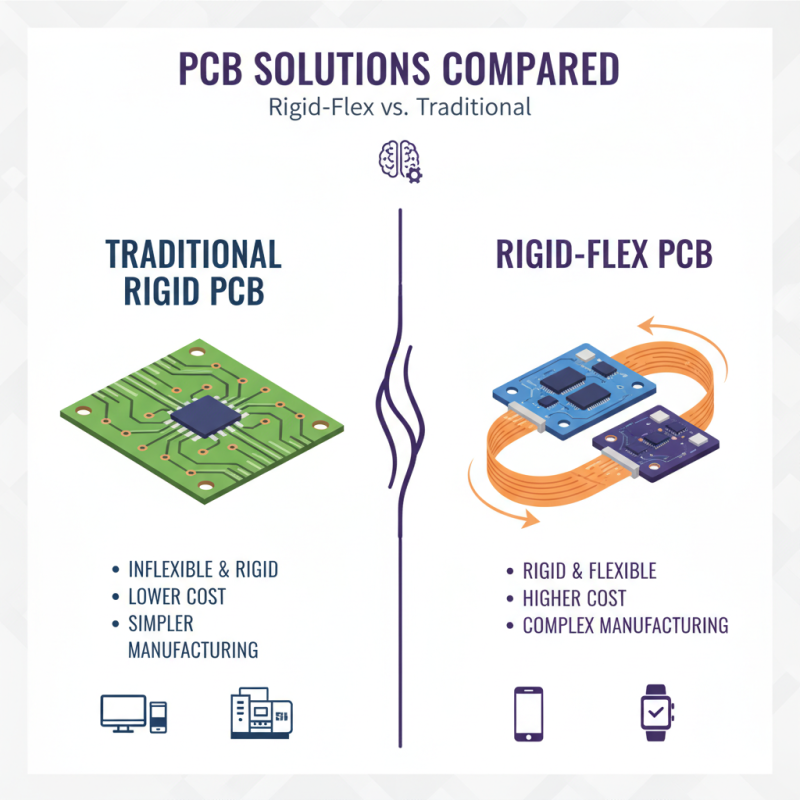
Rigid flex PCBs combine the best of both worlds: rigidity and flexibility. Unlike traditional rigid PCBs, which are inflexible, rigid flex PCBs can bend and twist. This feature is particularly useful in compact electronic devices like smartphones and wearable technology. The integration of flexible sections allows for more dynamic design possibilities. However, these advantages come with higher costs and more complex manufacturing processes.
When comparing rigid flex PCBs to traditional options, it's essential to weigh the pros and cons. Traditional PCBs are simpler to produce and less expensive. They can be easier to assemble and repair. But don't overlook failure mode analysis. Rigid flex PCBs are more durable in the long run, making them ideal for demanding applications. Visibility is critical here; design teams should consider how layout choices impact performance.
**Tips:** When deciding on your PCB type, assess your space limitations. Check for compatibility with existing components. Also, prototype early to avoid costly changes later. Embrace flexibility in design but remain cautious about overall costs. Sometimes, sticking with a familiar design is a better choice, even if it lacks the latest features.
Cost Factors and Budgeting for Rigid Flex PCB Projects
When considering a rigid flex PCB for your electronics projects, cost plays a vital role. Rigid flex PCBs combine the benefits of both rigid and flexible circuits, providing durability and adaptability. The unique structure can lead to higher production costs compared to traditional PCBs. Materials used in manufacturing can also be pricier. Understanding these expenses is crucial for effective budgeting.
Project size impacts costs significantly. Smaller projects may not justify the investment in rigid flex technology. A limited run could escalate per-unit costs. Bulk production often reduces the overall expense. Designers should evaluate the necessity of this technology closely. Sometimes, cheaper options might suffice. However, trade-offs in performance or space could hinder project goals. Balancing cost and functionality requires careful thought and planning.
Additionally, unexpected costs can arise during production. Design alterations or material substitutions may inflate the budget. Emerging technologies sometimes introduce new variables, making prior estimates tricky. Flexibility in budgeting allows for these surprises. A thorough evaluation of both initial and potential additional costs can help in achieving project success. Making informed decisions from the start is key.