2026 How to Choose Rigid Flex Rigid PCB for Your Next Project?
Choosing the right rigid flex rigid PCB for your project is crucial. These advanced boards combine flexibility with durability, offering unique advantages. They can save space and reduce weight, which is vital in many modern applications.
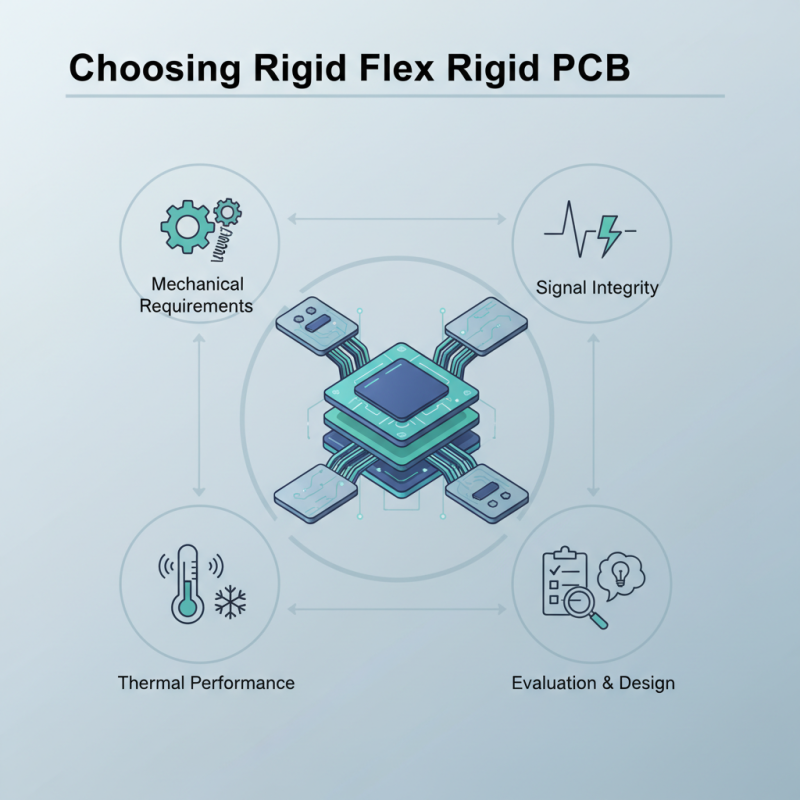
Several factors influence your choice of rigid flex rigid PCB. Consider the mechanical requirements, signal integrity, and thermal performance. Each project is unique. The right design can lead to success, but mistakes can cost time and resources.
The selection process can feel overwhelming. Complex specifications and numerous options often create confusion. It's easy to overlook important details. Take the time to evaluate needs carefully. A thoughtful approach will lead to better solutions and outcomes.
Understanding Rigid Flex Rigid PCBs: A Comprehensive Overview
When delving into rigid flex rigid PCBs, understanding their structure is crucial. These boards combine the best of both rigid and flexible designs. They are suitable for compact spaces. This design allows for intricate circuitry, offering unique layout options. Consider their applications in medical devices, smartphones, and drones. Each application requires different specifications.
Choosing the right materials can be a challenge. The thickness of the flex layers impacts overall performance. Many overlook the importance of thermal resistance. It’s not just about flexibility; rigidity is also key. You might encounter trial and error during selection. Prototypes can help identify weaknesses or unexpected outcomes. Fabrication costs vary widely. Budget constraints could lead to compromises. Reflect on long-term reliability as well. It might seem minor now, but decisions made early affect the whole project.
2026 Market Trends in Rigid Flex Rigid PCB Development
Key Factors to Consider When Selecting Rigid Flex Rigid PCBs
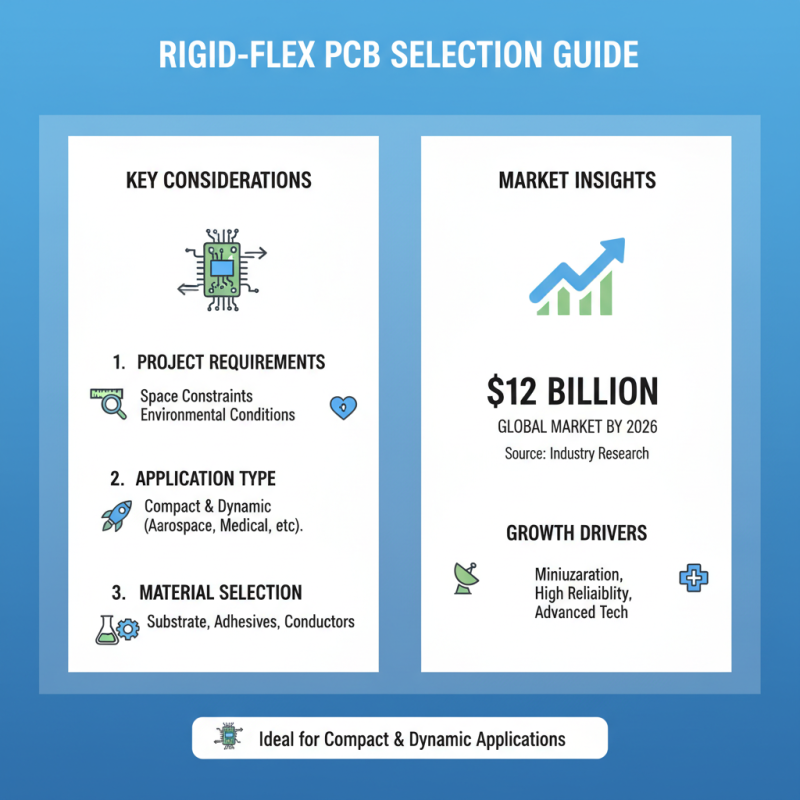
When selecting rigid flex rigid PCBs, it’s crucial to consider several key factors. Start with your project requirements. Assess the space constraints, flexibility needs, and environmental conditions. Rigid flex designs are ideal for compact and dynamic applications. Research indicates that the global rigid flex PCB market is projected to reach $12 billion by 2026. This growth reflects increasing demand in industries like aerospace and medical devices.
Another important factor is material selection. The dielectric constant and thermal performance of materials impact the functionality of your PCB. With a rising emphasis on miniaturization, material choice can significantly affect signal integrity and overall reliability. Notably, consider the thickness of your PCB; thinner designs may sacrifice durability.
Tips: Always prototype early. Testing with prototypes can reveal unforeseen issues. Mock-ups help in assessing performance in real-world scenarios. Engage with engineers and design experts to examine your choices critically. Remember, even well-structured designs can face adjustments after testing. It’s essential to remain flexible in your approach.
Comparing Cost vs. Performance in Rigid Flex Rigid PCB Options
When selecting a rigid flex rigid PCB, understanding the balance between cost and performance is crucial. Industry reports indicate that rigid flex PCBs can cost between 1.5 to 3 times more than traditional rigid PCBs. However, their unique advantages often justify this investment. They offer improved reliability and space efficiency. This is essential in compact designs like wearables or mobile devices where real estate is limited.
Performance metrics also favor rigid flex solutions. A study from IPC shows that rigid flex PCBs have a failure rate reduction of up to 30% in high-stress environments. Their ability to withstand bending and twisting makes them suitable for dynamic applications. Yet, the manufacturing complexity can lead to longer lead times. Designers must weigh these pros and cons carefully.
Cost considerations can’t be overlooked. While the initial investment is higher, the long-term savings in repair and replacement, as well as design flexibility, often lead to better overall value. Choosing the right material can also affect performance; for instance, polyimide films offer superior thermal stability but at a premium cost. Reflecting on these aspects is vital for building a successful project.
Exploring Applications and Use Cases for Rigid Flex Rigid PCBs
Rigid flex rigid PCBs are gaining popularity in various sectors. Their flexibility allows them to fit into compact spaces. This is crucial in industries like aerospace and medical devices, where every inch counts. These PCBs are often used in wearable technology. The need for lightweight and compact designs drives this demand.
In automotive applications, rigid flex boards enhance
reliability. They can withstand
vibrations and extreme temperatures. However, the manufacturing process can be complex. Designers may struggle with initial layout designs. Understanding the specific needs of your project is essential.
Testing prototypes can reveal unforeseen challenges.
Choosing the right materials is critical. The
durability of the board affects performance. In high-frequency applications, material selection becomes more vital. Some projects might find these boards a bit costly.
Budgeting for quality may be necessary. Overall, exploring various applications helps clarify their potential impact. Insights from previous projects can guide future designs.
Tips for Working with Manufacturers of Rigid Flex Rigid PCBs
When working with manufacturers of rigid flex rigid PCBs, clear communication is essential. One key detail to discuss is the design specifications. Many manufacturers emphasize the importance of precise dimensions and tolerances. A study by IPC shows that 75% of PCB failures stem from design issues. Make sure to provide accurate files, including Gerber data.
Another critical aspect is to inquire about material selection. The choice of materials can significantly affect performance. Recent data indicates that flexible PCBs made with polyimide can withstand temperature variations better than FR-4 materials. Discuss the intended environment for the PCB. This helps manufacturers suggest the best options.
Finally, establish a timeline and discuss production capabilities. Many manufacturers struggle with meeting tight deadlines. A report from the Institute of Printed Circuits found that 44% of delays come from inadequate lead times. Ensure you understand the manufacturer’s capacity. This knowledge can help in planning and managing your project more effectively.
2026 How to Choose Rigid Flex Rigid PCB for Your Next Project?
| Criteria |
Description |
Importance Level |
| Material Selection |
Choose appropriate materials based on flexibility, durability, and thermal properties. |
High |
| Layer Count |
Determine the number of layers required for signal integrity and design complexity. |
Medium |
| Manufacturing Capabilities |
Evaluate the manufacturer's technology, experience, and quality control processes. |
High |
| Cost Considerations |
Assess the production costs and overall budget for the project. |
High |
| Design for Manufacturability |
Ensure your design complies with manufacturing guidelines to avoid issues. |
Medium |
| Testing and Quality Assurance |
Plan for adequate testing to verify performance and reliability of PCBs. |
High |