2026 How to Choose the Right MCCB DC Breaker for Your Needs?
Choosing the right Mccb Dc Breaker is crucial for electrical safety and efficiency. Various industry reports underline that improper selection can lead to significant hazards. According to a recent survey, nearly 30% of electrical failures stem from inadequate circuit protection. This highlights the importance of understanding MCCB DC breakers.
The market for these devices is growing rapidly. The demand for reliable and robust protection in industrial applications is pivotal. In 2022, the MCCB DC breaker market reached USD 1.5 billion and is expected to grow at a compound annual growth rate of 7% from 2023 to 2026. Organizations must consider the specifications, voltage ratings, and interrupting capacities that suit their systems.
Selecting an MCCB DC breaker isn't straightforward. Users often overlook critical factors, leading to mismatched components. Failure to account for load conditions can result in equipment damage. Therefore, understanding specific requirements and getting proper guidance is essential. This process is not just about compliance; it directly impacts operational safety and efficiency. Careful consideration can help avoid costly mistakes.
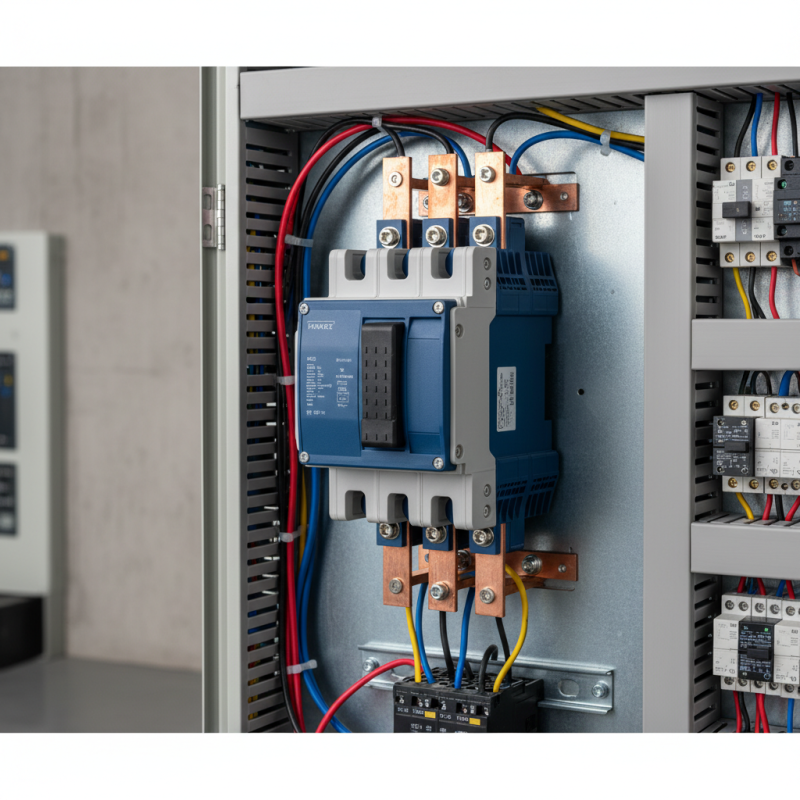
Key Factors in Selecting MCCB DC Breakers for Electrical Systems
When selecting an MCCB DC breaker, several key factors come into play. Voltage rating is crucial. Make sure the breaker can handle the voltage of your system. A mismatch can cause failure. Check the current rating, too. It needs to align with the load demands. Inadequate current ratings can lead to overheating.
Consider the environment where the breaker will be used. Is it outdoor or indoor? The dust, humidity, or temperature may impact performance. You want a breaker that can withstand these conditions. Don't forget about compatibility. Your MCCB DC breaker should work well with other components in your system.
Another detail that deserves attention is the breaking capacity. It determines how much fault current the breaker can interrupt without damage. An incorrect capacity can result in significant risks. Lastly, think about maintenance. Can you easily access the breaker for inspections? Placement matters! Planning these aspects ahead can prevent future headaches.
2026 How to Choose the Right MCCB DC Breaker for Your Needs? - Key Factors in Selecting MCCB DC Breakers for Electrical Systems
| Parameter | Description | Importance | Common Values |
| Voltage Rating | The maximum voltage the breaker can handle. | Critical for ensuring safety and functionality. | 600V, 1000V DC |
| Current Rating | The maximum continuous current the breaker can carry. | Essential for system design and load management. | 25A, 63A, 125A |
| Breaking Capacity | The maximum fault current the breaker can safely interrupt. | Crucial for preventing equipment damage during faults. | 6kA, 10kA, 20kA |
| Type of Protection | Functions provided by the breaker, such as overload and short-circuit protection. | Determines the level of safety against electrical faults. | Thermal, Magnetic, Electronic |
| Size and Mounting Type | Physical dimensions and method of installation. | Impact on space and installation requirements. | DIN Rail, Panel Mount |
| Temperature Rating | The maximum ambient temperature for safe operation. | Important for performance under varying conditions. | -10°C to +60°C |
Understanding the Ratings and Specifications of MCCB DC Breakers
When selecting the right MCCB DC breaker, understanding ratings and specifications is crucial. The rated current is essential. It indicates how much load the breaker can handle. Check the voltage ratings as well. Ensure it matches your system. Breakers often have different DC voltage capabilities. Selecting a breaker with insufficient voltage can lead to failure.
Consider the breaking capacity. This determines the maximum fault current the breaker can interrupt. A high fault current could damage other components if not managed properly. Proper sizing is key. An undersized breaker might trip frequently, while an oversized one may fail to provide adequate protection.
Tips: Always assess your specific application. Load types impact breaker choice significantly. For example, motors have different characteristics than resistive loads. Be ready to adjust your selection based on those needs. Lastly, remember to review compliance with applicable standards. It ensures safety and reliability in your electrical system.
Comparing Different MCCB DC Breaker Types and Their Applications
When it comes to choosing the right MCCB DC breaker, understanding the different types is essential. MCCB stands for Molded Case Circuit Breaker. These devices protect electrical circuits from overloads and short circuits. They come in various configurations, each tailored for specific applications. For instance, some are designed for renewable energy systems, while others fit industrial scenarios.
Different MCCB DC breakers have unique features to consider. Some models use thermal magnetic technology, which combines heat and magnetism. This is great for most applications but may not react fast enough for some critical operations. Others employ electronic trip units, providing better precision in fault detection. These are perfect for sensitive equipment.
Users often overlook the integration of these breakers into existing systems. Safety might seem straightforward, but improper choices can lead to malfunctions. Installation requires careful planning. Always check compatibility with current loads and future expansions. Consider your environment too; temperatures and humidity affect performance. Reflect on these factors to make a more informed decision.
Evaluating Environment and Installation Conditions for MCCB Selection
When selecting an MCCB DC breaker, evaluating the environment is crucial. The temperature range is a key factor. High temperatures can lead to overheating, while very low temperatures might affect performance. Humidity levels also come into play. Excess moisture can cause corrosion or insulation failure.
Installation conditions are just as important. Consider the physical space and layout. Is there proper ventilation? A crowded installation can hinder air circulation. Make sure the breaker is easily accessible for maintenance. Dust and debris in the area can also reduce efficiency.
Always reflect on these aspects. Your choice should account for various factors. Rushing through this process could lead to issues down the line. Each installation is unique and deserves careful consideration. Think about how environmental elements may impact your decision.
2026 MCCB DC Breaker Selection Overview
Cost Analysis: Budgeting for Your MCCB DC Breaker Needs
When budgeting for an MCCB DC breaker, understanding costs is crucial. Prices can vary widely based on features. Basic models may start affordably. However, advanced options with enhanced protection come at a premium. It's vital to assess your specific needs. Do you require high interrupting ratings? This decision significantly impacts costs.
Installation expenses should also factor into your budget. Hiring a professional can increase your total expenditure. Ensure safety and compliance. Sometimes, DIY seems tempting, but mistakes can lead to higher costs down the line. It's a gamble.
Don’t forget about long-term maintenance. Budgeting for routine checks is often overlooked. Even the best equipment requires attention. Poor maintenance can lead to unexpected failures. This adds unplanned expenses. Reflect on these aspects carefully, as they can affect your overall budget significantly.