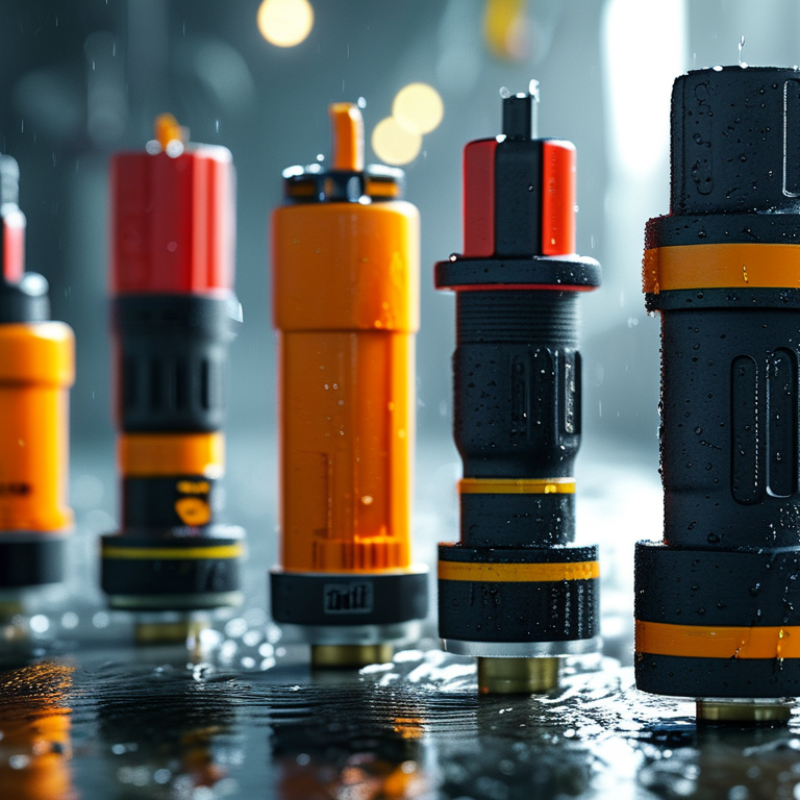
Why Choose Waterproof Connectors for Your Next Project?
Waterproof Connectors are essential in various applications. Whether in automotive, marine, or industrial settings, they ensure reliability. These connectors resist moisture, dust, and corrosion, significantly enhancing their longevity and performance.
Choosing the right waterproof connector can make a difference in your project. These specialized components are designed to withstand harsh conditions. Their ability to provide a secure connection helps prevent costly failures or downtime. However, not all waterproof connectors are created equal. It’s crucial to consider factors like material and environmental resistance when making a selection.
Investing in waterproof connectors may seem straightforward, yet there are challenges. Understanding the specific needs of your project is vital. Often, the wrong choice can lead to issues down the line. A thoughtful approach can maximize performance and save costs in the long run.
Benefits of Using Waterproof Connectors in Harsh Environments
Waterproof connectors are essential for projects in harsh environments. They provide reliable performance, even in extreme conditions. When exposed to moisture, dust, or chemicals, standard connectors can fail. This leads to costly downtime and repairs. Waterproof connectors, however, prevent such issues, ensuring project longevity.
In outdoor applications, the risk of water damage is high. For instance, construction sites, marine, and agricultural settings face constant exposure to the elements. Using waterproof connectors in these areas helps maintain system integrity. They form a secure seal that keeps water out. This protects electrical connections and reduces maintenance needs over time.
It’s also crucial to consider the trade-offs. While waterproof connectors can be pricier, their benefits often outweigh initial costs. Still, some users might struggle with installation complexities. Investing in proper training can mitigate such challenges. Making informed decisions leads to enhanced reliability and performance.
Benefits of Using Waterproof Connectors in Harsh Environments
Waterproof connectors play a crucial role in ensuring reliability and functionality in harsh environments. Key benefits include high corrosion resistance, enhanced durability, consistent performance, lower maintenance needs, and increased safety. The chart above illustrates the importance level of these factors in choosing waterproof connectors for projects.
Key Applications for Waterproof Connectors in Various Industries
Waterproof connectors play a crucial role across multiple industries, especially where environmental conditions are harsh. In the automotive sector, for example, connectors must withstand moisture, dust, and temperature fluctuations. According to a report by ResearchAndMarkets, the global waterproof connectors market is expected to reach $4.3 billion by 2025, driven largely by such automotive applications.
In marine environments, the need for reliable waterproof connectors is even more pronounced. Equipment exposed to saltwater requires components that prevent corrosion and electrical failures. For instance, a study indicated that over 30% of electrical failures in marine applications stem from inadequate sealing in connectors. This illustrates the high stakes involved in selecting the right technology.
The industrial automation field also benefits significantly from waterproof connectors. Machinery exposed to water and dust can malfunction without proper protection. A survey showed that nearly 25% of manufacturers experience downtime due to connector failures. Investing in waterproof options can reduce these risks, ensuring uninterrupted operations. The right connectors enhance safety and prolong equipment life, though many businesses still overlook this critical aspect.
Understanding IP Ratings and Their Importance for Connector Selection
When selecting connectors for your project, understanding IP ratings is crucial. IP stands for Ingress Protection, which signifies how well a connector resists dust and water. The rating is a two-digit number. The first digit ranges from 0 to 6, indicating dust resistance. A rating of 6 means total dust tightness. The second digit ranges from 0 to 9, representing water resistance. A rating of 7 means the connector can withstand being submerged in water.
Knowing the IP ratings helps in ensuring your project’s longevity. For example, an outdoor application might require a connector rated IP65 or higher. This indicates it is protected against dust and water jets. If not properly rated, the connectors may fail quickly, leading to costly repairs. Many designers overlook these ratings, assuming all connectors are the same. This can result in unexpected downtime and frustration.
Selecting the right connectors based on IP ratings can mitigate risk. However, users often misinterpret these ratings. They might assume a connector with an IP54 rating is suitable for all environments. In reality, it offers limited water protection. Understanding these limitations is vital for effective design. It can lead to more robust projects that withstand environmental challenges.
Comparison of Waterproof Connectors and Standard Connectors
When deciding between waterproof connectors and standard connectors, several factors come into play. Waterproof connectors are designed to withstand harsh environmental conditions. They often feature sealing mechanisms that prevent moisture from entering. This makes them ideal for outdoor or industrial applications.
Standard connectors, on the other hand, offer simplicity and lower cost. However, they are vulnerable to corrosion and damage from water exposure. In situations where reliability is key, opting for waterproof connectors is a wise choice. They ensure a more robust performance and longer lifespan.
**Tips:** Always check the ingress protection (IP) rating of your connectors. This rating tells you how well a connector resists water and dust. Don't forget to consider the operating temperature range. Certain environments can affect the function of both waterproof and standard connectors. Regularly review your connectors for signs of wear and tear, even waterproof ones can fail over time.
Factors to Consider When Choosing Waterproof Connectors for Projects
When selecting waterproof connectors for your project, consider several essential factors. The first is the environment where these connectors will be used. Harsh outdoor conditions can expose connectors to moisture, dust, or extreme temperatures. Make sure the connectors you choose have the right IP (Ingress Protection) rating to withstand these challenges. Typical ratings like IP67 ensure protection against dust and submersion in water.
Another crucial consideration is the material used in the connectors. Materials like plastic and metal each offer distinct advantages and disadvantages. Plastic connectors are lightweight and resistant to corrosion but may not hold up under heavy mechanical stress. Metal connectors are durable and reliable, yet they can corrode without proper protection. Evaluating the intended use will help you decide which material aligns with your project requirements.
Finally, think about the ease of installation. Some connectors feature designs that simplify the assembly process, while others might require specialized tools. Reflect on your team’s expertise and the available resources. Investing in connectors that are easier to install can save time and reduce potential errors. Balancing these factors will lead to better performance and longevity in your project.
Why Choose Waterproof Connectors for Your Next Project?
| Factor | Description | Importance Level |
| Environmental Protection | Waterproof connectors safeguard against moisture, dust, and corrosion, ensuring longevity. | High |
| Application Compatibility | Suitable for marine, automotive, outdoor, and industrial applications. | Medium |
| Contact Material | Use of materials like gold or copper to minimize corrosion and resistance. | High |
| Connector Ratings | IP ratings indicate the level of protection against water and solids. | Critical |
| Ease of Installation | Connectors that allow for quick and secure assembly without special tools. | Medium |
| Temperature Range | Ability to withstand extreme temperatures for consistent performance. | High |