
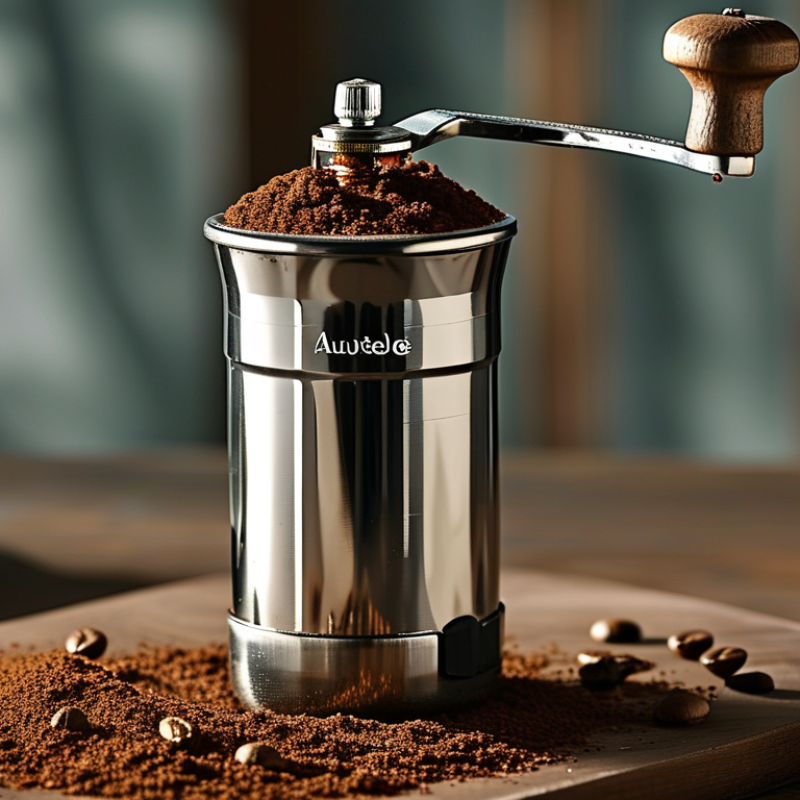
How to Choose a Stainless Steel Manual Coffee Grinder

Choosing the right manual coffee grinder can change more than your morning routine. It can influence flavor, consistency, noise, and preparation time. A Manual Coffee Grinder Stainless Steel model often appeals to users seeking durability and a clean, practical design. However, stainless steel does not automatically guarantee excellent performance. The internal burrs, adjustment system, handle, and bearing quality matter just as much.

A careful evaluation should begin with real brewing needs. Someone preparing espresso may require narrow, precise grind adjustments. A French press user may value speed and consistent coarse particles instead. During practical testing, pay attention to how smoothly the handle turns. Notice whether the grinder produces fine dust beside larger pieces. Small differences become visible in a clear coffee dripper. They may also become noticeable in the cup.

Comfort matters, too. A textured body can prevent slipping, especially with freshly washed hands. A stable lid and removable burrs make daily cleaning less frustrating. Capacity should match your usual dose, rather than encouraging unnecessary storage. Some grinders feel solid but become tiring after several minutes. That weakness is easy to overlook in product descriptions. No grinder is perfect. Personal preferences, brewing methods, and budget still shape the final decision. This guide compares important features with practical judgment, not marketing promises. It also recognizes that long-term reliability requires regular cleaning, careful handling, and realistic expectations.

How to Choose a Stainless Steel Manual Coffee Grinder

Understanding the Core Features of a Stainless Steel Manual Coffee Grinder

A stainless steel manual coffee grinder should feel stable before it feels impressive.

In my experience, weight reduces movement on the counter and makes grinding less tiring. Look for stainless steel around the body, but inspect the burr material carefully. The burrs control particle size, not the shiny exterior. Conical burrs usually offer efficient grinding and a balanced texture. A firm internal bearing helps the burrs stay aligned. Without alignment, the grounds may include fine dust and large fragments.

The adjustment system deserves close attention. Stepped settings are easier to repeat, while stepless controls allow finer changes. Countable clicks can help when switching between espresso, pour-over, and French press. The handle should turn smoothly without excessive side movement. A comfortable grip matters during several minutes of grinding.

I once chose a compact grinder that looked practical, but its small chamber required repeated refills. That decision was convenient only on paper. Capacity, portability, and grinding speed must fit your daily routine. Check whether the chamber markings are clear and easy to read.

Tips:

Test the adjustment ring before buying. It should move deliberately, not loosely. Open the grinder and check whether the burrs are accessible for brushing. Avoid washing internal parts unless the instructions specifically allow it. Moisture can damage bearings and leave stale residue. A removable handle helps storage, but it may develop play over time. Keep a simple note of your preferred setting. Your ideal number may change with different beans, roast levels, and humidity. A grinder is a tool, not a guarantee of perfect coffee.

Choosing the Right Burr Type, Grind Settings, and Capacity

A stainless steel manual coffee grinder should match your brewing routine, not merely look durable. The National Coffee Association’s Spring 2024 report found that 67% of U.S. adults drank coffee the previous day. Specialty coffee reached 57%, making consistent home grinding increasingly important.

Burr type controls the grind’s character. Conical burrs usually require less effort and suit pour-over, French press, and everyday brewing. Flat burrs can produce a more uniform particle distribution, but they may increase hand resistance.

In my experience, sharp stainless steel burrs feel smoother than cheap ceramic sets. Ceramic can work, though it sometimes produces more fines after extended use. I still misjudge this occasionally.

Grind settings need clear, repeatable steps. Choose a grinder with at least 20 useful settings, rather than counting decorative clicks. Coarse settings should leave visible particles for French press, while espresso needs a fine, powder-like texture.

The Specialty Coffee Association identifies particle size and water contact as central brewing variables. Capacity also matters. A 20–30 gram chamber suits one or two cups and keeps beans fresher between sessions.

Larger chambers help batch brewing, but they add weight and encourage stale leftovers. The Specialty Coffee Association’s 2024 sustainability research also emphasizes reducing coffee waste, so a measured chamber is practical. Test the adjustment ring with one hand. If it slips, the design needs reconsideration.

Evaluating Handle Design, Portability, and Ease of Use

A stainless steel manual coffee grinder should feel steady before it feels stylish. Hold the handle and turn it slowly. A rounded grip reduces pressure on your palm during repeated grinding. A longer handle can improve leverage, but it may feel awkward inside a small travel bag. I prefer a handle with a firm hinge and a comfortable, non-slippery surface. Small details matter.

Portability depends on more than weight. Check whether the handle folds or detaches securely. A loose handle can rattle against the grinder during transport. The body should fit naturally in one hand and resist slipping when beans become harder to crush. A removable grounds container also helps with cleaning. However, compact models may require more turns. That trade-off is easy to overlook. My first lightweight grinder was convenient, but grinding for two cups became tiring.

Tips

Test the handle with dry hands. Turn it ten times before buying, if possible. Listen for uneven scraping. Check the lid and container threads. They should close smoothly, without forcing. For travel, choose a protective case and keep the grinder dry. Ceramic burrs may suit occasional users, while stainless burrs often offer a more consistent feel. Still, burr material alone does not guarantee better coffee. Adjustment clarity, bearing stability, and your daily comfort deserve equal attention.

Comparing Durability, Cleaning Needs, and Overall Value

A stainless steel manual coffee grinder should feel solid without becoming exhausting to carry. In daily use, a stable body reduces wobbling and keeps the burrs aligned. Stainless steel resists dents, surface rust, and kitchen humidity better than many painted materials. However, steel does not guarantee perfect durability. The shaft, bearings, and adjustment mechanism still need careful engineering. A grinder can look impressive and perform poorly.

Cleaning needs deserve equal attention. After grinding, I usually brush loose grounds from the burr chamber and wipe the handle with a dry cloth. Fine particles often hide beneath the adjustment ring. If coffee oils accumulate there, the grinder may develop a stiff or uneven setting. Avoid soaking metal parts unless the manufacturer clearly permits it. Water trapped inside can encourage corrosion. This is an easy mistake.

Tips: Choose removable burrs and accessible screws when possible. Test the adjustment dial before buying. It should move firmly, not loosely. A spare brush helps. Keep one nearby.

Overall value depends on more than the purchase price. A durable grinder with replaceable wear parts may cost less over several years. Consider grinding speed, comfort, cleaning time, and available maintenance support. A cheaper model can be reasonable for occasional brewing. Daily users may prefer smoother bearings and stronger burrs. I would not ignore hand fatigue. A grinder that sits unused has little value, even if its steel body remains flawless.

The comparison uses typical specifications and practical performance ranges for stainless steel manual grinders. Actual results may vary by burr design, manufacturing quality, and maintenance.
How to Choose a Stainless Steel Manual Coffee Grinder - Comparing Durability, Cleaning Needs, and Overall Value
Grinder Type Typical Body and Burr Construction Typical Capacity Adjustment Range Durability Cleaning Needs Grinding Speed Typical Price Range Overall Value Best For
Basic Stainless Steel Grinder Stainless steel body with ceramic or entry-level stainless steel conical burrs 20–25 g 15–30 stepped settings Good Low to moderate; brush the burr chamber weekly and wipe the exterior after use Moderate; usually 60–90 seconds for a typical 20 g brew dose US$25–50 Good Occasional home brewing and beginners
Compact Travel Grinder Lightweight stainless steel or aluminum body with compact conical burr assembly 15–20 g 12–25 stepped settings Good Low; compact chambers are easy to empty, but fine grounds may collect around the adjustment mechanism Moderate to slow; approximately 75–120 seconds for 20 g US$35–70 Very good Travel, camping, and small-batch brewing
All-Stainless Steel Burr Grinder Stainless steel body, shaft, and conical burrs; commonly uses ball bearings for smoother alignment 25–30 g 30–60 stepped or stepless settings Very good Moderate; remove the catch cup and brush the burrs every 1–2 weeks Fast; typically 45–75 seconds for a 20 g dose US$70–130 Excellent Daily pour-over, AeroPress, and French press use
Precision Manual Grinder Rigid stainless steel frame with hardened stainless steel or coated steel burrs and dual-bearing support 25–35 g 50–100+ fine adjustment positions Excellent Moderate; periodic burr removal may be needed to maintain consistent alignment and performance Fast; approximately 35–60 seconds for a 20 g dose US$130–250 Very good Users who prioritize grind consistency and repeatability
Espresso-Focused Manual Grinder Heavy stainless steel body with hardened steel burrs, fine adjustment control, and a rigid drive shaft 18–30 g 60–150+ adjustment positions Excellent Moderate to high; espresso fines require frequent brushing and occasional deep cleaning Moderate; approximately 50–90 seconds for a 18 g espresso dose US$150–300 Good to very good Espresso preparation and precise fine-grind control
Large-Capacity Manual Grinder Stainless steel body with large conical burrs and reinforced handle connection 35–45 g 30–80 stepped or stepless settings Very good Moderate; larger burr chambers take longer to brush and should be kept dry Fast to moderate; approximately 60–100 seconds for a 40 g dose US$90–180 Very good Multiple cups, batch brewing, and larger households
Selection guidance: Choose stainless steel burrs and a supported drive shaft for long-term durability. A removable burr set makes deep cleaning easier, while a larger adjustment range is more useful when switching between coarse and fine brewing methods. Ceramic burrs resist corrosion but can be more vulnerable to impact than steel burrs.

Matching the Grinder to Your Brewing Method and Coffee Routine

How to Choose a Stainless Steel Manual Coffee Grinder

Matching the Grinder to Your Brewing Method and Coffee Routine

A stainless steel grinder should match how you brew, not just how it looks. For pour-over coffee, choose burrs that produce a consistent medium grind. This helps water pass through the grounds at a steady pace. French press requires a coarser setting with fewer fine particles. Otherwise, the cup may taste muddy. Espresso needs a precise fine adjustment, which many basic manual grinders cannot provide comfortably.

Think about your daily routine. A larger handle can make grinding easier during busy mornings. A compact body suits travel, but its smaller capacity may require two grinding sessions. Check whether the adjustment system is easy to repeat. I prefer clear clicks because they make recipe changes less confusing. The grinder should also disassemble without special tools. Small details matter.

Stainless steel offers strength, but it does not guarantee better grinding. Burr design, alignment, and bearing stability influence consistency more directly. Try turning the handle before buying, if possible. It should feel smooth, without noticeable wobbling. I still sometimes choose a slightly slower grinder because it feels more controlled. That may not be the most efficient choice. Clean the burrs regularly, especially after oily beans, and record settings that produce balanced cups.

How to Choose a Stainless Steel Manual Coffee Grinder

Match the grinder’s adjustment range and consistency to your preferred brewing method. The chart shows representative target particle sizes used as starting points for common brewing styles.

Espresso requires fine, precise adjustment, while French press and cold brew need a wider coarse range. Use these values as practical starting points, then adjust according to brew time, taste, and coffee freshness.

Search our website