How to Choose the Best Electronics PCB Manufacturing Services?
Selecting the right electronics PCB manufacturing services is crucial for any tech-driven project. According to Dr. Emily Chang, a leading expert in the electronics industry, “Quality PCBs are the backbone of reliable electronic devices.” This emphasizes the importance of thorough research when choosing a manufacturer.
The fine details matter in electronics PCB manufacturing. Look for companies with a solid track record. It’s essential to verify their capabilities and certifications. A trusted manufacturer should clearly communicate their production process and quality assurance measures. Don’t hesitate to ask for references or case studies.
Some manufacturers may promise all the right things but may not deliver. Exploring user reviews can shed light on their actual performance. Transparency in pricing is also vital. A clear breakdown of costs helps avoid surprises later. Making informed decisions can lead to successful project outcomes. Balancing cost and quality is often challenging but necessary.
Understanding PCB Manufacturing: Key Industry Insights and Metrics
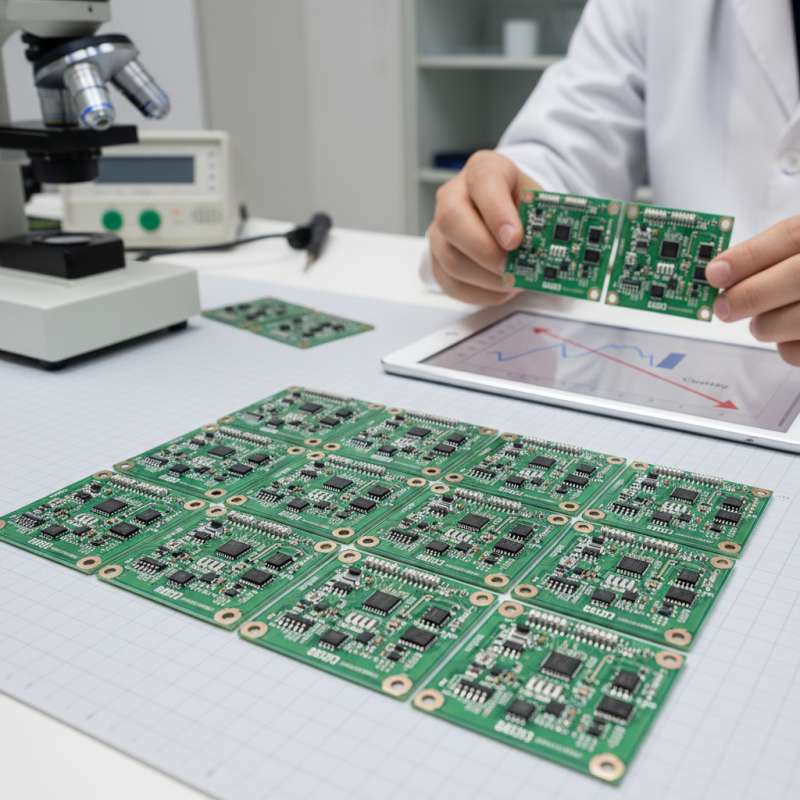
Understanding PCB manufacturing requires a keen focus on industry insights and metrics. A well-made printed circuit board is crucial for any electronic device. Reliability and performance hinge on the manufacturer’s expertise and quality control processes.
Key metrics to consider include the minimum trace width and spacing, as these influence performance. A manufacturer’s capability in surface finish options and via types also plays a role. It’s essential to evaluate their production capacity and turnaround times. Quality certifications, like IPC standards, enhance credibility. However, not all manufacturers meet these rigorous standards consistently, which can be a concern.
Additionally, the price point is critical but shouldn’t be the sole decision factor. Sometimes, cheaper options might compromise quality or lead to delays. Engineers often notice small defects that can escalate into major issues later. Balancing cost with quality metrics will help avoid regrets. Reliability in PCB manufacturing is not just about immediate outcomes; it's about long-term partnerships and performance.
Evaluating Manufacturing Capabilities: Technical Specifications and Quality Standards
When selecting electronics PCB manufacturing services, evaluating technical specifications and quality standards is crucial. Begin by examining the manufacturer's capabilities. Check their equipment and technology to ensure they meet current industry standards. Advanced machinery can affect precision and efficiency. If the manufacturer can't provide this information, it raises a red flag.
Understanding the quality standards they adhere to is vital. Common certifications include IPC standards, which ensure reliability. However, not every facility may hold these certifications. Be cautious; lacking proper certifications might lead to subpar products. Request detailed documentation of their quality control processes. It's better to ask too many questions than to face issues later.
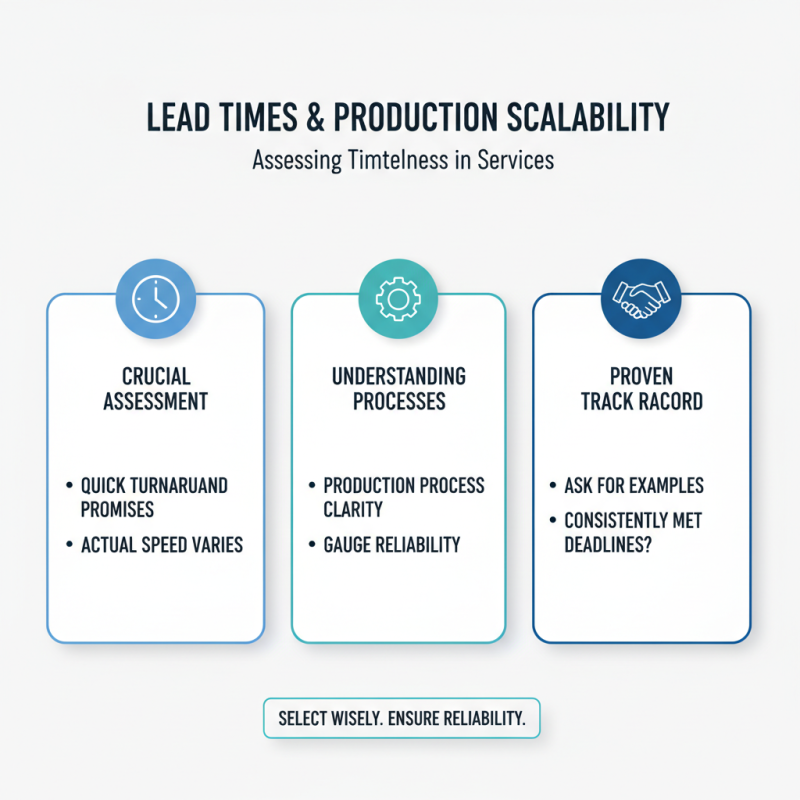
Also, pay attention to production lead times and flexibility. Delays can impact your project significantly. Manufacturers who promise quick turnarounds but lack resources may not deliver. Evaluate how they handle unforeseen challenges. A reliable manufacturer should have contingency plans. Remember, not all manufacturers excel in every aspect; identifying their strengths and weaknesses is essential for making an informed decision.
Cost Analysis: Budgeting for PCB Manufacturing Without Compromising Quality
When budgeting for PCB manufacturing, quality remains crucial. A recent industry report shows that 70% of companies prioritize quality over price. Getting the best price often means ensuring the manufacturer meets strict quality standards. Cutting costs can lead to poor performance and reliability issues.
Cost analysis reveals that the average price for high-quality PCB manufacturing ranges from $2 to $5 per square inch. This pricing reflects the complexity and materials used. It's essential to remember that the cheapest option may not always be the best. A focus on long-term benefits is vital. A renowned study indicated that poor PCB quality could lead to a 20% increase in overall production costs due to failures and repairs.
Understand the trade-offs involved. While seeking lower costs, consider factors like materials, turnaround time, and manufacturing processes. Investing in a reputable manufacturer can save money in the long term. Quality assurance processes are key indicators of a reliable service. Engage with manufacturers that also provide prototypes to ensure quality before committing to larger production runs.
Customer Support and Communication: Importance in PCB Manufacturing Partnerships
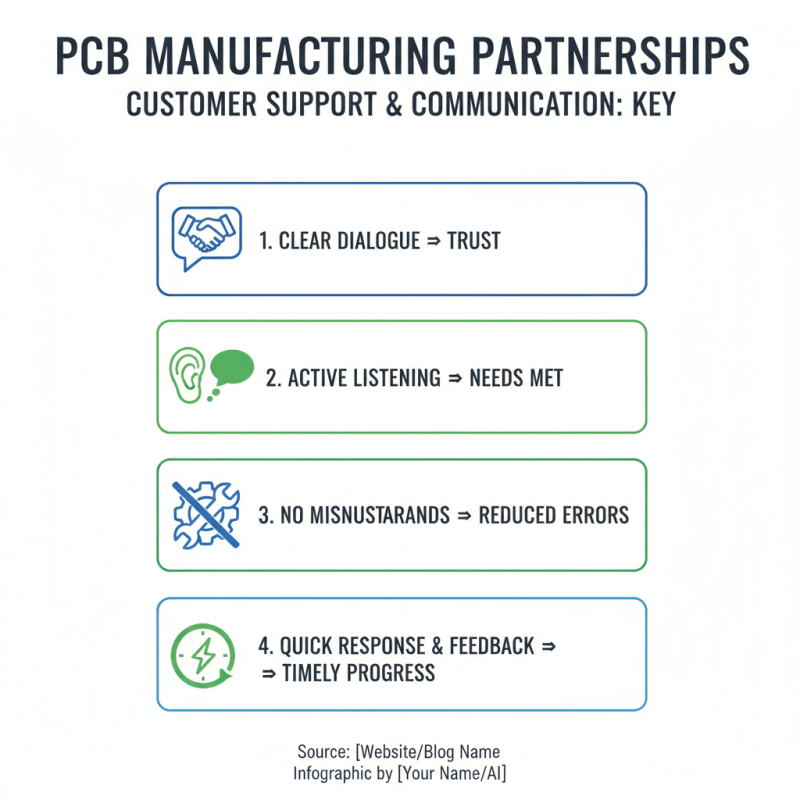
Effective communication is crucial in PCB manufacturing partnerships. Clear dialogue fosters trust. When customers express their needs, manufacturers must listen actively. Misunderstandings can lead to costly errors. Good support means responding quickly to inquiries. Timely feedback is essential in maintaining momentum.
Customer support involves more than just answering questions. It’s about building a relationship. Manufacturers should be transparent about processes and timelines. If a delay occurs, proactive communication is vital. Teams must keep customers updated, showing them they are valued.
Some manufacturers may lack consistent communication. This can frustrate clients and lead to reputational damage. Customers often need reassurance that their projects are on track. Strengthening support structures can build loyalty. Ultimately, while technical skills matter, strong communication may be the most critical aspect of a successful manufacturing partnership.