How to Choose the Best Wholesale Glass Honey Jars in 2026?
Choosing the right Wholesale Glass Honey Jars in 2026 is crucial for any business in the honey industry. According to Sarah Holmes, a packaging expert at HoneyPack Solutions, "Selecting the right jar can elevate your brand's appeal." This highlights the importance of informed decisions in the packaging process.
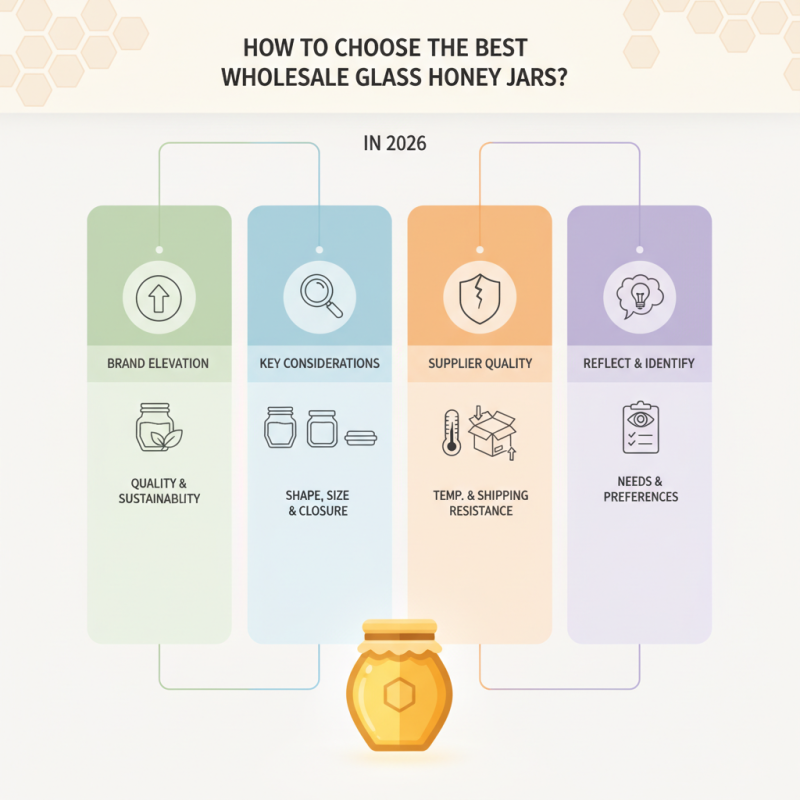
Glass jars are more than just containers. They represent quality and sustainability in a market that increasingly values eco-friendly options. The right jar can enhance the honey's presentation and preserve its freshness. Details like jar shape, size, and closure types can significantly impact consumer choices.
However, not every wholesale supplier provides the same quality. Some jars might not withstand temperature changes or shipping conditions. Reflecting on past purchases can be enlightening. Consider what worked well and what didn’t. Identifying your needs and preferences will guide you towards selecting the best wholesale glass honey jars, ensuring your product stands out in a competitive landscape.
Factors Influencing the Demand for Glass Honey Jars in 2026
In 2026, understanding consumer preferences is vital for selecting wholesale glass honey jars. Recent industry reports indicate that sustainability trends are increasing the demand for eco-friendly packaging. According to a study by the Sustainable Packaging Coalition, over 70% of consumers prefer products with recyclable materials.
Another factor influencing demand is the rise of artisanal and local honey brands. These brands value packaging that reflects their commitment to quality. The Specialty Food Association reports that artisan honey sales grew by 25% in the last two years. Packaging, in this case, plays a crucial role in communicating brand values.
The aesthetics of glass packaging cannot be overlooked. Research shows that consumers are drawn to visually appealing designs. A Nielsen survey found that over 60% of shoppers are willing to pay more for attractive packaging. However, businesses must balance aesthetics with functionality, ensuring jars are both beautiful and practical. This dual focus can be challenging but necessary for meeting diverse consumer needs.
How to Choose the Best Wholesale Glass Honey Jars in 2026? - Factors Influencing the Demand for Glass Honey Jars in 2026
| Dimension | Description | Value |
| Capacity | Volume of jars available | 100ml - 1000ml |
| Material Quality | Type of glass used | Borosilicate glass |
| Design | Jar shape and lid style | Classic, hexagonal, Round |
| Sustainability | Eco-friendly features | Recyclable materials |
| Market Demand | Trends influencing popularity | Increase due to organic honey popularity |
| Pricing | Average cost per jar | $0.50 - $2.00 |
| Supplier Reliability | Trustworthiness and delivery consistency | 95%+ on-time delivery |
Analyzing Sustainability Trends in Glass Packaging for Honey Products
Sustainability is reshaping glass packaging in the honey industry. As consumers grow more environmentally conscious, they demand eco-friendly products. Glass jars are increasingly favored for their recyclability and aesthetic appeal. Many producers now prioritize sustainable sourcing of materials. This trend creates a positive impact on brand reputation.
However, not every glass jar is created equal. Some manufacturers may use mixed materials that undermine eco-friendliness. It's crucial to inspect jar sourcing practices. Do they support local economies? Are they transparent about their supply chain? These details matter significantly.
Innovation in production techniques also plays a role. Lightweight glass is emerging as a solution to reduce carbon footprints during transport. While these advancements are promising, they can also raise concerns about durability. Evaluating both sustainability and functionality is essential for making informed choices. As the market evolves, remaining adaptable and open-minded will be key.
Key Features to Look for in Wholesale Glass Honey Jars
When selecting wholesale glass honey jars, consider several key features. Choose jars made from high-quality glass to ensure durability and safety. Look for options that are thick enough to withstand handling during distribution. The clarity of the glass is also vital; clear jars present a more appealing product. Customers appreciate seeing the honey’s rich color and consistency.
Another aspect to consider is the jar design. A wide mouth allows for easy filling and cleaning, while a secure lid is essential for maintaining freshness. Check for airtight seals that prevent leaks. Ergonomic shapes are more user-friendly and can enhance the customer experience. The size of the jars should match your target market; popular options vary from small jars for gifts to larger ones for bulk sales.
Customization also plays a significant role. Think about labels and branding—unique designs can catch the eye of potential buyers. However, be cautious about over-complicating the design; simplicity can be more effective. Evaluate your choices and consider what resonates best with your audience. Balancing function with aesthetic appeal requires careful thought and testing.
Understanding Pricing Strategies in the Glass Honey Jar Market
When navigating the glass honey jar market in 2026, understanding pricing strategies is vital. Prices can vary based on several factors, including materials, design, and quantity. Buying in bulk often reduces costs. However, striking a balance between price and quality is critical. Cheaper jars may not meet safety standards or durability expectations.
Consider the market demand for different styles of jars. Unique designs often carry a premium, while standard shapes may be more affordable. Seasonal trends impact pricing too. For example, jars designed for holiday packaging can be more expensive during peak seasons. Research the market well before making any commitment.
Quality control plays a significant role in pricing as well. Jars that are tested for breakage and safety can cost more upfront. Yet, investing in quality can prevent losses later. Reflecting on these factors can lead to better purchasing decisions. A thorough understanding of pricing strategies will give you confidence when choosing the right products for your needs.
Evaluating Supplier Reliability and Quality Standards for Glass Jars
When choosing wholesale glass honey jars, evaluating supplier reliability is crucial. Look for suppliers with a strong track record and clear communication. This shows commitment to quality and customer service. You want suppliers who respond quickly and clearly to any inquiries. Reliable suppliers also provide references from previous clients. This feedback can reveal insights about their reliability.
Quality standards matter greatly in glass jar production. Check if suppliers adhere to recognized industry standards. This ensures that the jars are safe for food storage. Seek certifications or compliance documents that verify quality claims. Ask about the materials used in their jars. High-quality glass is more durable and less prone to breaking.
It's important to be cautious. Some suppliers might promise exceptional quality but fail to deliver. Inspect samples before placing large orders. This step can save you from future headaches. Remember, a good supplier will be transparent about their processes. They should allow you to ask questions about production methods. A thoughtful approach can lead to a more reliable partnership.