Why Choose Medical And Surgical Lighting for Your Facility?
In the realm of medical facilities, lighting plays a crucial role. Medical And Surgical Lighting is essential for optimal patient care. When surgeries are performed, precision lighting is necessary. It enhances visibility for healthcare professionals, ensuring accurate procedures. The right lighting can reduce errors and improve outcomes.
Choosing Medical And Surgical Lighting requires careful consideration. Not all lights are created equal. Specific features matter, such as color rendering and intensity. Lights that are too dim can hinder a surgeon's focus. Additionally, lights that cause glare can be distracting. These details directly impact performance in critical situations.
While the advantages are clear, challenges persist. Budget constraints often lead to compromises. Facilities may opt for temporary solutions instead of quality lighting. This raises questions about long-term effectiveness. Ultimately, investing in reliable Medical And Surgical Lighting is crucial for any healthcare setting. It not only supports medical staff but prioritizes patient safety as well.
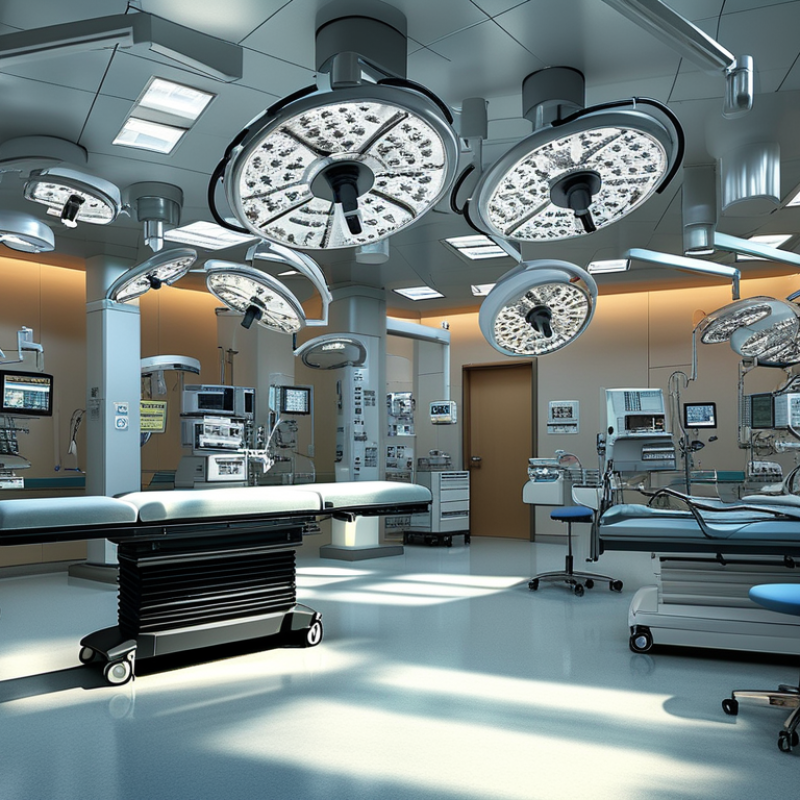
Benefits of Medical and Surgical Lighting in Healthcare Facilities
Medical and surgical lighting plays a crucial role in healthcare facilities. The right lighting enhances precision and safety during procedures. Surgeons rely on high-quality lights for accurate visibility. Proper lighting can minimize errors and improve outcomes. Dim or poor lighting can obscure critical details. This makes advanced lighting systems essential.
In operating rooms, shadows can disrupt focus. Medical lighting minimizes these shadows, ensuring clarity. With bright, adjustable lights, healthcare providers can see exactly what they need. This creates a safer environment for both patients and staff. Moreover, specialized lights reduce eye strain. This helps maintain focus during lengthy surgeries.
Beyond visibility, medical lighting affects the overall atmosphere. The right brightness can ease anxiety for patients. A well-lit space promotes a calm environment. Yet, not every facility emphasizes lighting. Some may overlook it, which could lead to challenges in patient care. Reflection on current practices can lead to improvements, ensuring higher standards in healthcare settings.
Understanding the Different Types of Medical and Surgical Lighting
Medical and surgical lighting is crucial in healthcare facilities. Different types fulfill varying needs. Surgical lights, for example, provide focused illumination, essential for precision during procedures. According to a 2021 report by the Journal of Surgical Research, appropriate lighting can reduce errors by up to 30%.
LED surgical lights are increasingly popular. They are energy-efficient and generate less heat. This keeps the operating room comfortable. However, the initial cost can be high. Facilities must weigh immediate budget against long-term benefits. It’s important to consider future savings in energy costs.
When selecting lighting, consider the type of surgeries performed. Some require bright, shadow-free light, while others may need softer illumination. Consult with an expert for tailored solutions. A lighting analysis can help determine the right system for your unique needs. Ensuring proper lighting is a critical step in improving surgical outcomes.
Key Features to Look for in Medical and Surgical Lighting
When selecting medical and surgical lighting, several key features stand out. Brightness is critical. Proper illumination improves visibility during procedures. Look for lights with adjustable intensity, ensuring surgeons can adapt to various conditions. This flexibility enhances overall operational efficiency.
Color temperature matters too. Ideally, lighting should mimic natural daylight. This quality aids in reducing eye strain. Many facilities often overlook this aspect. It can lead to fatigue for medical staff. Remember, comfortable lighting can minimize errors during crucial moments.
**Tips:** Always assess the ergonomic design of the lighting fixtures. Consider how easy they are to position during surgeries. A stable fixture can reduce distractions. Check for energy efficiency as well. Long-lasting bulbs decrease replacement frequency.
Evaluate the durability of the materials used in the lights. High-quality construction prevents frequent malfunctions. However, some facilities may prioritize costs over quality. This choice can lead to increased long-term expenses. Prioritizing effective lighting is an investment in patient safety and staff performance.
Impact of Proper Lighting on Surgical Outcomes and Patient Safety
Proper lighting in surgical environments is essential for positive patient outcomes. Studies indicate that adequate lighting can reduce surgery errors by up to 30%. This statistic underscores the critical nature of choosing high-quality medical and surgical lighting. Insufficient visibility can lead to misinterpretations of tissue anatomy, increasing the risk of complications.
Surgeons report that improper lighting leads to eye strain, affecting their performance. A well-lit operating room minimizes fatigue, enhances precision, and creates a safer space for patients. Research shows that high-quality surgical lights provide true color representation, vital for complex procedures. Inadequate lighting can also mask important visual cues, forcing surgeons to make uninformed decisions.
**Tip:** Invest in adjustable lighting systems. Customizable settings allow surgical teams to adapt to varying procedural complexities.
Moreover, proper lighting impacts recovery as well. Patients in well-lit environments show less anxiety and report faster recovery times. The ambience of a well-lit space positively influences both surgical teams and patients.
**Tip:** Regularly evaluate your lighting systems. Consider updates to improve safety and efficiency.
Impact of Proper Lighting on Surgical Outcomes and Patient Safety
Cost-Effectiveness and Energy Efficiency of Advanced Lighting Solutions
Medical and surgical lighting plays a crucial role in healthcare facilities. The right lighting can significantly enhance both treatment outcomes and operational efficiency. Recent studies indicate that improved lighting can reduce fatigue levels in surgical teams by as much as 28%. This boost in team performance directly correlates with fewer errors during procedures, showcasing the importance of advanced lighting solutions.
Cost-effectiveness is paramount in today's healthcare environment. According to industry reports, implementing energy-efficient lighting can reduce energy costs by up to 60%. This not only leads to substantial savings on utility bills but also decreases the overall environmental impact of the facility. Moreover, LED lighting options have a longer lifespan, reducing the frequency of replacements and the associated labor costs. However, while the initial investment in advanced lighting may seem high, the long-term savings and improved patient care present a compelling case for healthcare facilities to make this upgrade.
Decisions about lighting can inadvertently prioritize aesthetics over functionality. Facilities may overlook the importance of adequate lighting intensity and color temperature. Poor choices could lead to inadequate visibility and increased stress levels for medical staff. Ensuring that medical environments are well-lit, while also being energy-efficient, remains a balancing act. Regular assessments are essential to maintain optimal lighting standards without sacrificing cost-effectiveness.
Why Choose Medical And Surgical Lighting for Your Facility?
| Dimension | Value |
| Initial Investment Cost | $10,000 - $50,000 |
| Average Lifespan | 50,000 - 100,000 hours |
| Energy Saving (% compared to traditional lighting) | 30% - 70% |
| Maintenance Cost per Year | $500 - $1,000 |
| Return on Investment (ROI) | 2 - 5 years |
| Environmental Impact (% reduction in waste) | 50% - 80% |