Top Tips for Choosing the Best Indicator Switch Suppliers
Choosing the right Indicator Switch Suppliers is crucial for many industries, from automotive to manufacturing. According to a recent report by Industry Insights, the market for indicator switches has seen a significant growth rate of 8% annually. This trend highlights the importance of selecting quality suppliers who can meet specific project needs effectively.
When evaluating suppliers, consider their industry experience and product reliability. Reports indicate that 72% of companies prioritize supplier reliability as a key factor in their decision-making. It's not just about price; the long-term performance of your chosen switches can impact overall operational efficiency. Ensuring that your suppliers understand your unique requirements can lead to better outcomes.
However, navigating the supplier landscape can present challenges. Some suppliers may promise exceptional service but fail in execution. Researching their history and customer feedback is essential. Making informed choices requires balancing cost, quality, and service capabilities. It's wise to reflect on past supplier experiences to guide future decisions as you search for the best Indicator Switch Suppliers.
Understanding the Importance of Indicator Switches in Industry
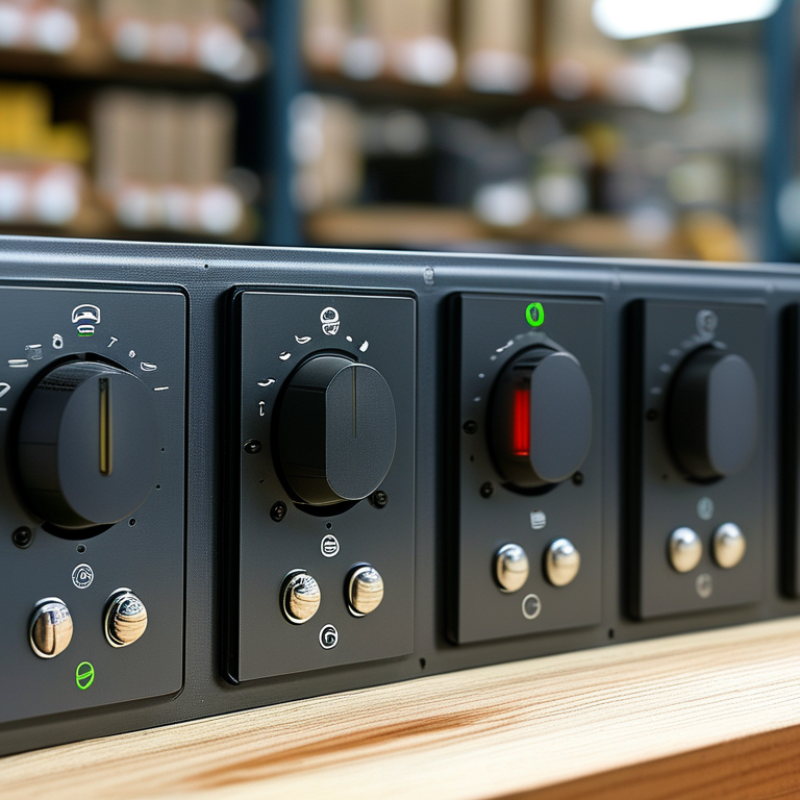
Indicator switches play a vital role in various industries. They ensure machines operate safely and efficiently. Their role extends beyond simple functionality; they are crucial for monitoring and signaling processes. A reliable indicator switch allows operators to make informed decisions. They can prevent costly mistakes. Without them, operations can become chaotic.
Choosing the right indicator switch supplier enhances operational reliability. Factors to consider include product quality and response time. A supplier's experience often impacts their service level. Look for those with proven track records. Engaging with knowledgeable suppliers can reduce risks. A well-informed choice leads to a smoother workflow in industrial settings.
However, not all suppliers meet expectations. It’s important to seek feedback from peers. Poor quality switches can lead to failures. This highlights the need for careful evaluation. Take your time to assess options thoroughly. Prioritize suppliers with clear communication and support. A well-selected partner can make a significant difference in operations.
Key Criteria for Evaluating Indicator Switch Suppliers
When evaluating indicator switch suppliers, consider their industry experience. Suppliers with a proven track record often understand the nuances of different applications. They can offer valuable insights into product selection and usage, which may save time and resources. Additionally, examining their history and customer feedback can provide clarity about their reliability.
Quality standards are another critical aspect. Reviewing certifications can shed light on a supplier's commitment to manufacturing excellence. Ensure the supplier adheres to relevant regulations, which is crucial for safety. Explore their testing processes and the lifespan of their products. A supplier should be transparent about these details.
Finally, consider the level of customer support provided. Effective communication is essential in addressing concerns or product issues. A supplier's responsiveness can be a good indicator of their overall service quality. While no supplier is perfect, assessing these criteria thoughtfully can lead to a more informed decision, minimizing the risk of potential issues down the line.
Assessing Supplier Reputation and Experience in the Market
When evaluating potential indicator switch suppliers, assessing their reputation is crucial. A reliable supplier often carries strong recommendations. Look for online reviews and testimonials. They provide a glimpse into customer satisfaction and product quality. Pay attention to those who mention specific experiences. It establishes authenticity.
Experience in the market is another important aspect. A supplier with years in the industry often has refined their processes. They understand the nuances of customer needs. Companies that have weathered market changes typically display resilience. It’s worthwhile to inquire about their background. How long have they been in business? What types of projects have they handled?
Consider reaching out to previous clients for their insights. A good supplier will readily provide references. Sometimes, however, you may encounter those who hesitate. This can be a red flag and requires further investigation. A transparent supplier will share their journey with pride. Reliability stems from experience, and it’s worth taking the time to dig deeper into their history.
Exploring Product Quality and Reliability in Indicator Switches
When selecting indicator switch suppliers, product quality and reliability are key factors. High-quality switches function seamlessly in various environments. They must withstand harsh conditions without failing. A reliable supplier ensures that their products adhere to strict quality standards. This inspires confidence in the customer.
Evaluating the materials used in switches is essential. Look for suppliers that offer switches made from durable materials, such as high-grade plastics and metals. These materials enhance longevity and performance. It’s important to review customer feedback on durability and functionality. This feedback reveals how switches perform over time and under stress.
Additionally, consider the supplier’s expertise in the field. Experienced suppliers often provide better insights into product performance. However, not all suppliers may meet your needs. Be cautious of overly polished marketing materials. Always seek out suppliers with a solid track record, as this indicates reliability. The focus should be on building a long-term partnership based on trust and quality assurance.
Top Tips for Choosing the Best Indicator Switch Suppliers - Exploring Product Quality and Reliability in Indicator Switches
| Supplier Type | Product Quality Rating | Reliability Score | Customer Support | Warranty Offered |
| Type A Supplier | 4.5/5 | 90% | 24/7 Support | 2 Years |
| Type B Supplier | 4.0/5 | 85% | Weekday Support | 1 Year |
| Type C Supplier | 4.2/5 | 88% | Business Hours Support | 6 Months |
| Type D Supplier | 4.7/5 | 92% | Online Chat Support | 3 Years |
Evaluating Customer Support and Service from Suppliers
When selecting indicator switch suppliers, evaluating customer support is essential. Quality support can make a significant difference in your purchasing experience. Look for suppliers that offer multiple communication channels. This may include phone, email, and live chat options. Quick response times are a good indicator of their commitment to customers.
Consider their technical support as well. A knowledgeable team can assist with installation issues or troubleshoot problems. They should provide resources that help you understand their products better. Look for detailed FAQs or user manuals on their website. If available, ask for references or case studies. This helps evaluate their reliability and expertise in the industry.
When reviewing customer feedback, focus on common themes. Frequent complaints about slow service or unhelpful staff can be red flags. Pay attention to positive reviews as well. They often highlight suppliers who go above and beyond. A strong support system can save you time and frustration in the long run. Aim for suppliers who are transparent and willing to learn from their shortcomings.