2026 How to Choose the Best Waterproof Micro Switch?
When choosing a Waterproof Micro Switch, the variety available can be overwhelming. These switches are essential for many applications. They protect sensitive electrical components from moisture, dust, and dirt. The right waterproof micro switch ensures longevity and reliability in challenging environments.
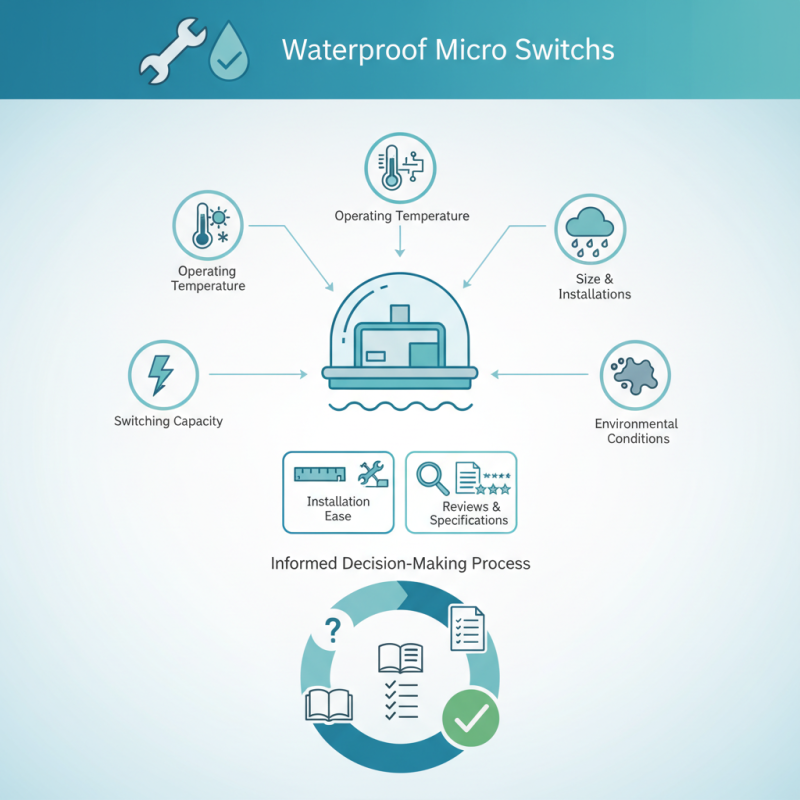
Evaluating factors like operating temperature, switching capacity, and environmental conditions is crucial. Understanding your specific needs is key to making the best choice. Sometimes, details can get overlooked. Are you considering size and installation ease? These aspects can affect performance and user experience.
In the search for the perfect Waterproof Micro Switch, do not rush. There is much to consider, and each switch has unique features. Familiarize yourself with available options to avoid potential pitfalls. Analyze reviews and specifications carefully. This knowledge helps you make an informed decision.
Understanding the Basics of Waterproof Micro Switch Technology
When selecting a waterproof micro switch, it's crucial to understand its technology. These switches are designed to withstand moisture. They incorporate seals and special coatings. This prevents water from damaging internal components. Different applications require different levels of protection.
Consider these tips when choosing a micro switch. Look for an IP rating that suits your needs. An IP67 rating indicates good protection against water and dust. Ensure the switch's operating temperature fits your environment. Sometimes, the specifications seem ideal, but it’s worth verifying. Ask about the long-term performance in real conditions.
Durability matters. Some switches may fail prematurely. Testing can help you gauge reliability. You might find a switch that meets standards yet performs inconsistently. Read user reviews to discover common issues. This can provide insights beyond technical specifications. Random failures can lead to frustration and setbacks. Balancing features and practicality is key.
Key Features to Look for in Waterproof Micro Switches
When selecting a waterproof micro switch, there are several key features to consider. First, the IP rating is crucial. This rating indicates the level of protection against dust and water. Look for switches with an IP67 rating or higher. This ensures they can withstand immersion in water.
Materials matter too. Typically, you should choose switches made from corrosion-resistant materials. Stainless steel or reinforced plastics provide durability. Consider the operating temperature range as well. Some switches may fail in extreme heat or cold.
Tips: Check the switch's response time. A faster response can enhance the overall performance.
Another important feature is the actuator type. Options include push button, toggle, or lever. Each type serves different applications. Depending on your needs, one may fit better than the others.
Tips: Don’t overlook the mechanical life cycle. A switch that lasts longer saves costs in the long run.
In busy environments, size plays a role too. A compact switch can be easier to install in tight spaces. However, ensure it still meets all other necessary specifications. Balancing size with functionality is essential.
2026 How to Choose the Best Waterproof Micro Switch? - Key Features to Look for in Waterproof Micro Switches
| Feature | Description | Importance |
| Ingress Protection Rating | Indicates the level of protection against water and dust. | High |
| Operating Temperature Range | The temperature range in which the switch can operate effectively. | Medium |
| Contact Configuration | The arrangement of electrical contacts in the switch. | High |
| Actuation Force | The amount of force required to activate the switch. | Medium |
| Mechanical Life | The number of cycles the switch can undergo before failing. | High |
| Electrical Rating | The maximum load the switch can handle safely. | High |
| Size and Form Factor | The dimensions and design of the switch. | Medium |
Different Types of Waterproof Ratings Explained
When selecting a waterproof micro switch, understanding waterproof ratings is crucial. There are several standards that define these ratings, including IP (Ingress Protection) ratings. For instance, an IP67 rating indicates that the switch can be submerged in water up to one meter for 30 minutes without damage. A report by the International Electrotechnical Commission states that these ratings help manufacturers and users evaluate the switch's durability.
The most common ratings include IP65, IP66, and IP67. IP65 offers protection against water jets, while IP66 withstands powerful waves. An IP68 rating is often touted as the best, meaning the switch can handle continuous immersion. However, sometimes these ratings can be misinterpreted or exaggerated. It's essential to validate the ratings from reliable sources.
Choosing the right micro switch requires careful consideration of where and how it will be used. Installation conditions vary widely. Humidity, pressure, and potential contaminants all impact performance. In practice, some users have found that even switches rated IP67 can fail in extreme conditions. Regular testing and maintenance are crucial. Real-world experiences highlight the need for vigilance, as even high-rated products can have flaws.
Applications of Waterproof Micro Switches Across Industries
Waterproof micro switches are essential in various industries. Their ability to function in extreme conditions makes them invaluable. For instance, the automotive sector relies on these switches for safety and performance. According to a recent report, around 45% of automotive manufacturers utilize waterproof micro switches to enhance vehicle reliability.
In consumer electronics, waterproof micro switches serve a critical role. Many devices, like smartphones and household appliances, are exposed to moisture. A study shows that nearly 35% of product failures are due to water damage. Using waterproof micro switches can significantly reduce these risks.
Another notable application is in medical devices. Here, precision is paramount. Waterproof micro switches ensure accurate functionality, even in humid environments. Reports indicate that the medical device market, projected to grow by 5.4%, increasingly demands reliable components like these switches. Despite their benefits, not all applications use these switches effectively. Improper selection can lead to malfunctions and increased costs.
Maintenance Tips for Long-lasting Performance of Micro Switches
Maintaining waterproof micro switches is crucial for ensuring their longevity. Regular inspections help catch wear and tear early. A study from the Micro Switch Industry Association revealed that 30% of failures are caused by neglecting routine maintenance. Checking for corrosion and ensuring proper sealing can prevent these issues. Regular cleaning with appropriate solvents can enhance performance.
The environment plays a significant role in micro switch longevity. Exposure to moisture, dust, and extreme temperatures can lead to faster degradation. According to the International Society of Automation, micro switches operating in harsh conditions may require more frequent maintenance—every 3 months instead of the usual 6 months. Users often overlook these factors, which can result in premature failure.
Sometimes, installation mistakes happen. An improper fit can lead to water ingress, nullifying the waterproof features. A forgotten gasket or a misaligned switch can cause issues. Understanding these details is key to maximizing performance. Simple attention to these aspects can greatly extend the life of your micro switches. It's essential to be mindful and proactive in this area.
Waterproof Micro Switch Performance Metrics
This bar chart illustrates the essential performance metrics for selecting the best waterproof micro switches. The data shows the IP rating, temperature range, operational life, and switching force, aiding in the evaluation of long-lasting performance.