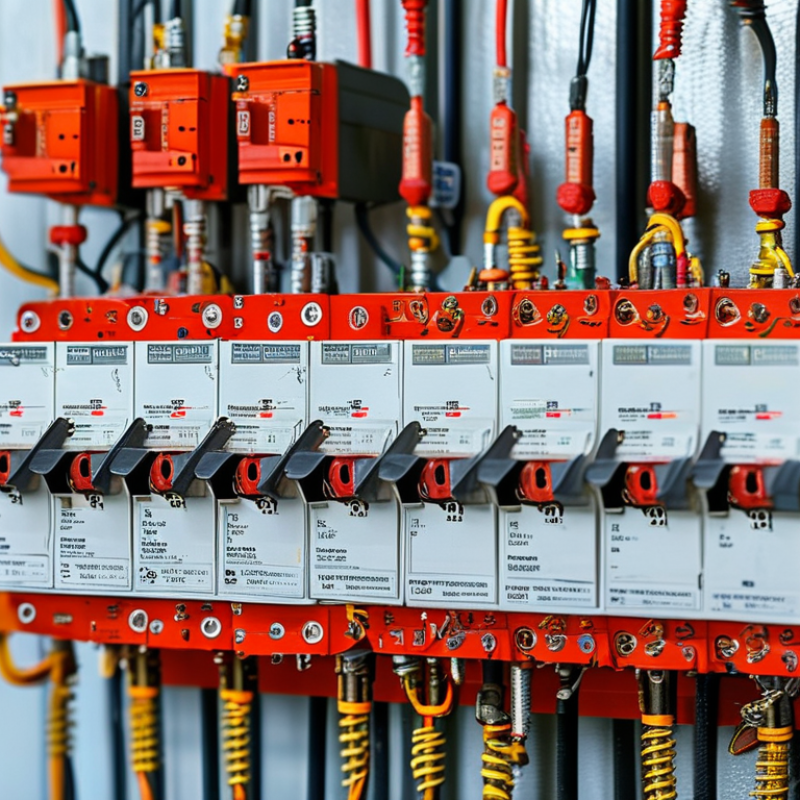
How to Choose the Right MCCB Breaker for Your Needs?
Choosing the right MCCB Breaker is crucial for electrical safety and efficiency. A Molded Case Circuit Breaker (MCCB Breaker) provides overcurrent protection in various applications. With many options available, it’s vital to consider your specific needs.
Understanding your electrical system’s requirements is essential. An MCCB Breaker protects against overloads and short circuits. Each application has unique demands, making it imperative to analyze your load characteristics. Different environments may require different specifications, adding another layer of complexity.
In the end, select an MCCB Breaker that aligns with your operational needs. Ensure it meets both current and future demands. Sometimes, seeking expert advice can provide clarity. Don’t rush the decision; consider all factors thoroughly. This thoughtful approach can prevent costly mistakes and enhance the safety of your electrical system.
Understanding MCCB Breakers: Definition and Purpose
MCCB breakers, or molded case circuit breakers, are essential components in electrical systems. They provide overload and short-circuit protection for circuits. Understanding their purpose helps in selecting the right one for your needs. Every application requires a specific type of protection. This makes it vital to know your system's demands.
MCCBs function by interrupting electrical flow during faults. They help prevent equipment damage and maintain safety. However, many users overlook important specifications. For instance, the rated current, breaking capacity, and type of tripping mechanism are crucial. They should align with your project's requirements. It's easy to assume that all breakers are the same, but this can lead to costly mistakes.
Choosing an MCCB isn't just about picking a model. Careful consideration of the environment is necessary. Factors like temperature, humidity, and potential exposure to corrosive elements impact performance. Sometimes, advice from an electrical engineer can be beneficial. They offer insights based on experience, ensuring you make informed choices. Ensure you examine your system’s specific needs before making a decision.
Identifying Your Electrical System's Requirements
When selecting an MCCB breaker, understanding your electrical system's requirements is crucial. Begin by assessing the total load of the circuit you need to protect. This includes the combined wattage of all devices connected to the system. If the load is too high, the breaker may trip frequently. Too low, and you risk damaging your equipment.
Consider the voltage and frequency of your system. Different applications require different specifications. For instance, industrial systems often use three-phase power, while residential settings typically employ single-phase. Ensure the MCCB's ratings match these specifications to avoid potential hazards.
Next, think about the environment where the breaker will be installed. Factors like ambient temperature and humidity can affect performance. An MCCB may perform poorly if it’s not rated for extreme conditions. Reflect on these aspects to prevent future issues.
Reliability is key when it comes to safety and efficiency in your operation. As you make your choice, keep in mind that the right breaker can greatly enhance your system's reliability and longevity.
Key Factors to Consider When Selecting an MCCB Breaker
When selecting an MCCB breaker, several key factors must be considered. Start with the current rating. This rating should match your system's requirements. If it's too low, overheating may become an issue. Conversely, an oversized breaker could lead to nuisance tripping. Ensuring the right fit here is crucial for efficient operation.
Another vital aspect involves the breaking capacity. This refers to the maximum fault current the MCCB can safely interrupt. Always analyze your electrical system's potential fault currents. If the MCCB cannot handle these, it may fail under stress. Assess your circuit's needs carefully to avoid costly equipment damage.
It's also essential to think about the environment where the MCCB will be installed. Consider factors like temperature, humidity, and potential exposure to contaminants. Not all breakers are designed for harsh conditions. Choosing the right one ensures longevity and reliability.
For optimal choice, consult with industry experts. Their experience can guide you through technical specifications. Likewise, don't hesitate to revisit your selection based on feedback over time. Regular reviews can help prevent issues before they arise.
Evaluating Current Ratings and Interrupting Capacities
When selecting an MCCB breaker, understanding current ratings and interrupting capacities is crucial. Current ratings indicate the maximum continuous current a breaker can handle without overheating. For instance, if your application requires a consistent load of 50A, it’s wise to choose a breaker with a rated current slightly above this value. Too close to the limit can lead to premature tripping or damage.
Interrupting capacity, on the other hand, refers to a breaker’s ability to safely interrupt fault currents. Assess the potential short circuit currents in your system. A breaker with a higher interrupting capacity ensures your equipment is protected. For a facility that often experiences power surges, opting for higher ratings can be a safeguard against costly repairs.
Evaluate these factors carefully. A mismatch can lead to unexpected failures or safety hazards. It’s common to overlook these specs in the selection process. Ensure you consult industry standards and best practices to avoid mistakes. Remember, the wrong choice can impact system reliability and safety. Always stay informed and reflect on your options.
How to Choose the Right MCCB Breaker for Your Needs? - Evaluating Current Ratings and Interrupting Capacities
| Breaker Type | Current Rating (A) | Interrupting Capacity (kA) | Voltage Rating (V) | Applications |
| Standard MCCB | 100 | 18 | 240 | Industrial Equipment |
| Thermal Magnetic MCCB | 250 | 25 | 400 | Commercial Buildings |
| Earth Leakage MCCB | 160 | 20 | 230 | Residential Safety |
| Dual Function MCCB | 500 | 36 | 480 | Heavy Machinery |
| Smart MCCB | 63 | 12 | 220 | Home Automation |
Additional Features and Options for Enhanced Performance
When selecting an MCCB (Molded Case Circuit Breaker), it’s essential to consider additional features and options that enhance performance. A common feature is adjustable trip settings. This allows customization based on specific load requirements. It can protect sensitive equipment from overloads while preventing nuisance tripping. Yet, achieving the right balance is crucial. If settings are too sensitive, you risk frequent interruptions.
Another critical aspect is the type of protection offered. MCCBs can provide thermal and magnetic protection or a combination. Thermal protection reacts to overloads, while magnetic protection responds to short circuits. Understanding these distinctions helps in selecting the appropriate breaker for your application. Furthermore, consider whether your environment requires weatherproof options or enhanced insulation. The decision reflects the reliability of the protection in challenging conditions.
Don't overlook monitoring capabilities. Some modern MCCBs come with built-in communication features, enabling real-time data on operation. This allows for better maintenance planning and fault diagnosis. However, implementing such technology requires an understanding of your system's needs. Tools that collect data might seem advanced, yet they can introduce complexities. Reflect on whether these tools align with your operational expertise and resources.