How to Choose the Right Micro Switch for Your Project?
Choosing the right micro switch can significantly impact the success of your project. Experts in the micro switches industry emphasize the importance of making informed decisions. John Smith, a leading engineer in the field, states, “The right micro switch can enhance efficiency and reliability in any application.”
When selecting a micro switch, consider your project requirements carefully. There are various types available, each with unique characteristics. For example, contact configuration, actuator style, and environmental ratings differ in performance. It's crucial to match these features with your specific needs.
A common mistake is to overlook the environment where the micro switch will operate. Factors like temperature, humidity, and dust can affect functionality. This oversight can lead to failures and costly delays. Take the time to evaluate these aspects fully. Remember, the right micro switch isn't just about choice; it's about meeting your project's demands effectively.
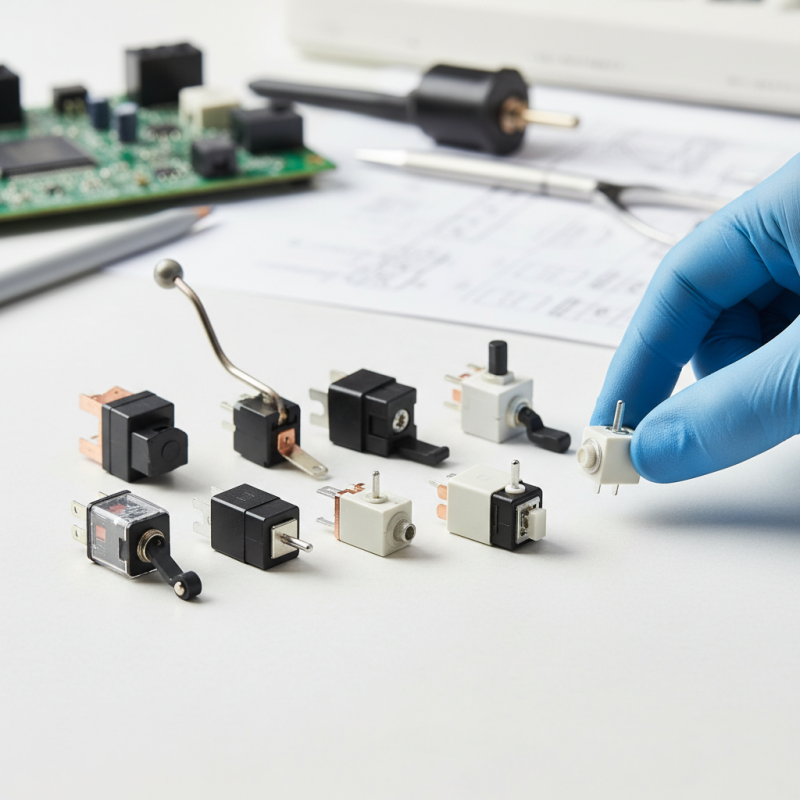
Understanding Micro Switch Types and Their Applications
When selecting a micro switch, understanding its types is crucial. There are various designs, each meant for specific applications. For instance, a general-purpose switch is versatile. It's great for home appliances, where reliability is key. On the other hand, a snap-action switch activates quickly. It’s ideal for machinery that requires fast responses.
Consider the environment where the switch will be used. Some switches perform better in harsh conditions. You might need a sealed switch for outdoor applications. This protects against moisture and dust. A tactile switch, though, gives you a noticeable click. It can enhance user experience in electronic devices.
Evaluating your project's specific needs is essential. Reflect on durability and longevity. A micro switch is not just a component; it plays a vital role. Overlooking its importance can lead to project failures. Carefully assess the load capacity as well. An incorrectly rated switch can fail unexpectedly. Pay attention to these details. Your project’s success hinges on these seemingly small choices.
Key Specifications to Consider When Selecting Micro Switches
When choosing a micro switch for your project, several key specifications are critical. One such specification is the contact rating. Most micro switches handle current ratings between 5A to 15A. According to industry reports, switches with higher ratings can cause overheating, leading to failure. Thus, choosing a switch that matches your electrical load is essential.
Another important factor is the operating temperature range. Many micro switches function properly between -25°C to 85°C. However, not all environments are so forgiving. If your project is exposed to extreme conditions, consider switches designed for those temperatures. Failure to do so can compromise the entire system.
Additionally, pay attention to the actuation force and travel distance. Reports show that the typical actuation force ranges from 100g to 300g. A switch that’s too sensitive may trigger incorrectly, while one that requires too much force may result in user discomfort. Testing different specifications can be an effective approach. Adjustments may be necessary based on real-world application feedback. Prioritizing these specifications ensures better project outcomes.
Assessing Voltage and Current Ratings for Your Project Needs
When choosing a micro switch for your project, understanding voltage and current ratings is crucial. These specifications dictate how well the switch will perform in your application. For example, if your project operates at 24V, selecting a switch rated for at least that voltage is essential. Using a lower-rated switch can lead to failure and safety hazards.
Current rating is equally important. Each switch has a specific current limit. Exceeding this limit can cause overheating and damage. If your device draws 2A, a switch with a 1A rating won’t last long. It's also helpful to consider the load type. Resistive loads are easier on switches compared to inductive loads, which can create spikes.
Sometimes, users overlook these details. They might choose a switch based on size or price alone. This could lead to reliability issues. It's essential to take a step back and evaluate all specifications. Not paying attention could result in project delays or increased costs. A little more effort can save you headaches down the road.
Evaluating Durability and Life Cycle of Micro Switches
When selecting a micro switch, durability and life cycle are key factors. Micro switches typically have a mechanical life ranging from 1 million to 10 million operations, depending on the design and materials used. For instance, high-quality micro switches often feature long-lasting actuators that withstand repeated use without failure. Evaluating the life cycle can significantly impact the longevity of your project.
Tip: Check the specifications carefully. Look for switches rated for higher mechanical life. This can save you maintenance costs in the long run.
Temperature variations and environmental factors also play a role. A micro switch may perform poorly in extreme conditions. For example, humidity and dust can reduce its lifespan. Assessing the environment where the switch will be used is crucial. Some switches may even show premature wear in specific conditions.
Tip: Test micro switches under real-world conditions. It’s a learning process, and results can differ from expected performance. Track any inconsistencies for future improvements.
Understanding the expected cycle rating will help you make a more informed choice. While some switches may promise high durability, real-world usage might reveal weaknesses. It's essential to reflect on user feedback and field data to better gauge reliability.
Micro Switch Durability and Life Cycle Comparison
This chart illustrates the average life cycle in millions of operations for various types of micro switches. The data highlights the importance of selecting a switch that aligns with your project's durability requirements.
Compatibility with Components and Environmental Conditions
When selecting a micro switch, it is crucial to consider its compatibility with existing components and the environmental conditions it will face. A report by the Industry Standards Association revealed that around 30% of switch failures occur due to improper environmental conditions. For instance, if a micro switch operates in extreme temperatures, its materials may degrade faster than expected, impacting performance.
Durability is paramount. A micro switch exposed to moisture may corrode, leading to unexpected failures. According to a 2022 industry survey, 25% of technicians reported issues related to humidity. Evaluating the switch’s housing and seal type can help mitigate risks. Choose switches with proper ingress protection ratings to ensure reliability in challenging environments.
Compatibility extends beyond environmental factors. The switch must align with other components in size and electrical specifications. A mismatched micro switch can lead to inefficiencies or even circuit failures. Pay attention to ratings such as voltage and current capacity. The wrong choice may result in overheating, which affects overall system performance. Thoughtful selection can prevent these issues and enhance project reliability.