Top Insights on Circuit Board Manufacturing Trends and Technologies?

In the rapidly evolving world of circuit board manufacturing, innovation plays a crucial role. New technologies are reshaping how circuit boards are designed and produced. These advancements can lead to improved efficiency and reduced production costs.

However, the industry faces significant challenges. Companies must adapt to changing market demands while maintaining quality. Environmental concerns also push for sustainable practices. Despite these pressures, many manufacturers are hesitant to fully embrace new methods.

The integration of smart technologies and automation shows promise. Yet, there is a learning curve that can impede progress. As we explore these insights, it’s clear that circuit board manufacturing is at a crossroads, requiring both reflection and action to thrive.
Top Insights on Circuit Board Manufacturing Trends and Technologies?

Current State of Circuit Board Manufacturing Industry: Key Statistics

Top Insights on Circuit Board Manufacturing Trends and Technologies?

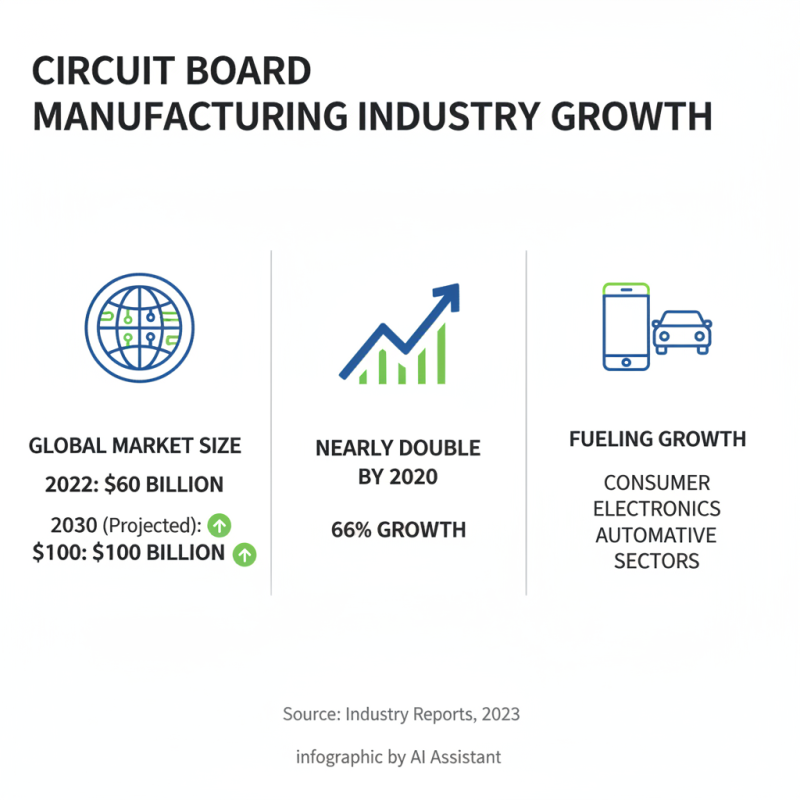
The circuit board manufacturing industry is seeing significant changes. According to recent statistics, the global market size was valued at around $60 billion in 2022. Experts predict it will reach nearly $100 billion by 2030. This growth is largely fueled by increased demand in consumer electronics and automotive sectors.

However, challenges remain. The supply chain disruptions during the pandemic revealed vulnerabilities. Reports indicated that lead times for circuit boards have increased by 30%. This increase can lead to delays in product launches. Manufacturers are urged to invest in more resilient supply chains.

Sustainability is another pressing issue. A study revealed that over 50% of manufacturers are exploring eco-friendly materials. However, only 20% have successfully implemented these practices. Many companies acknowledge the need for improvement in waste management. Addressing these concerns will be pivotal for future advancements.

Emerging Technologies in Circuit Board Production: A Comprehensive Overview

The landscape of circuit board production is evolving rapidly. Emerging technologies are reshaping how manufacturers approach design and efficiency. Advanced materials, such as flexible substrates, are becoming more popular. These materials allow for lighter and more versatile circuit boards. The push for miniaturization also drives innovation in component integration, making boards more compact while still effective.

Tips: Consider incorporating additive manufacturing. This method can reduce waste and improve production speed. It also enables complex designs that were impossible with traditional methods.

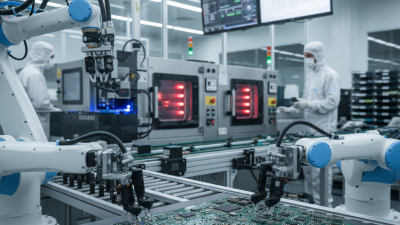
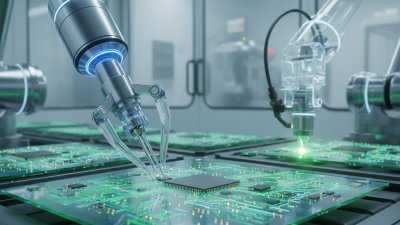
Automation is another trend gaining momentum. Robotic systems can enhance precision and lower labor costs. Yet, there is a concern about reliance on automation. In some cases, it can lead to quality control issues if not monitored properly. Manufacturers must find a balance between human oversight and automated processes.

Tips: Regular audits of automated systems can mitigate potential problems. This ensures quality remains a priority throughout production. Embracing these emerging technologies will likely drive future growth in the circuit board industry.

Sustainability Practices in Circuit Board Manufacturing: Trends and Benefits

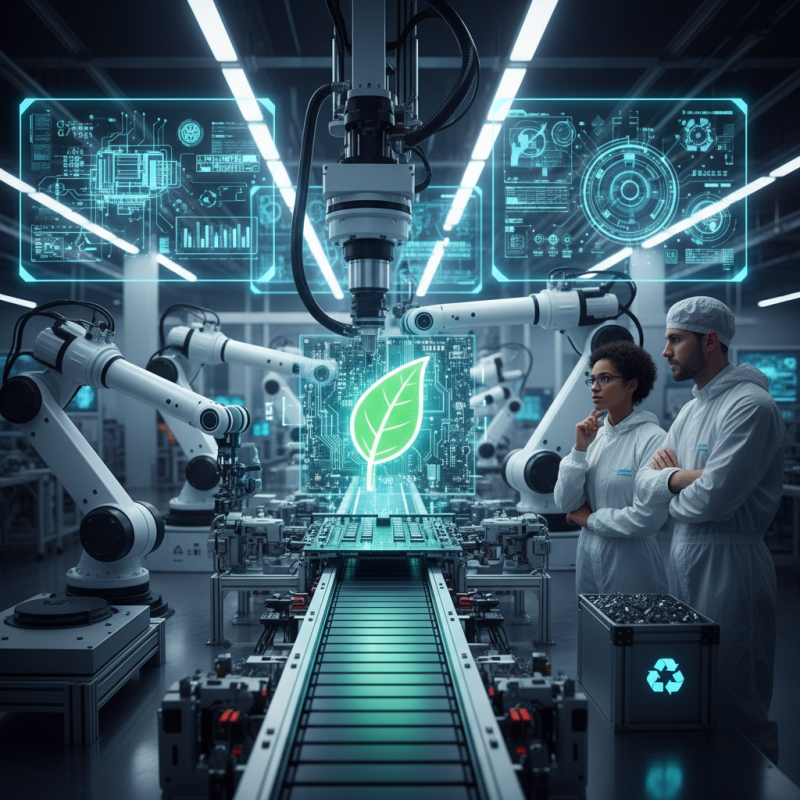
Sustainability is reshaping circuit board manufacturing. Many manufacturers are adopting eco-friendly practices. They focus on reducing waste, energy use, and harmful chemicals. This shift is not just a trend; it’s necessary. Conventional methods can harm the environment. The industry must reevaluate its processes.

Recycling materials is critical. By reusing metals and plastics, manufacturers lessen their carbon footprint. Innovative disposal methods are emerging, with some companies creating closed-loop systems. However, challenges remain. Implementing sustainable practices can be costly. Some smaller firms hesitate due to upfront expenses.

Training workers in these new methods is essential. Knowledge gaps can hinder progress. Educating everyone involved boosts efficiency and effectiveness. Ultimately, a balanced approach is vital. Improvement takes time and dedication. Embracing sustainable practices in circuit board production is not just beneficial but imperative for a healthier planet.

Trends in Sustainability Practices in Circuit Board Manufacturing

Impact of Automation on Circuit Board Manufacturing Efficiency and Cost

Top Insights on Circuit Board Manufacturing Trends and Technologies?

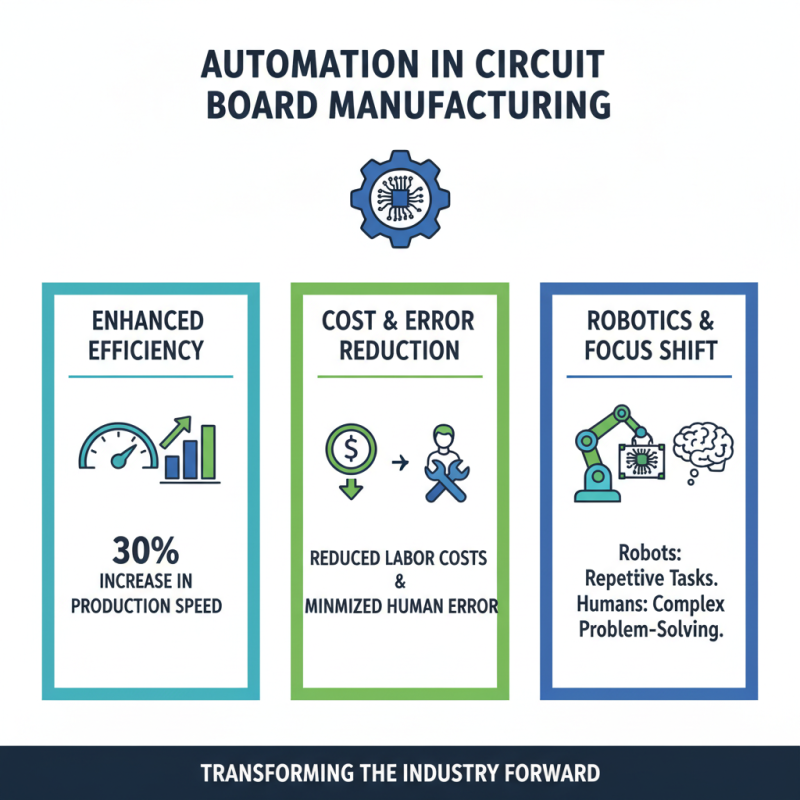
The integration of automation in circuit board manufacturing is transforming the industry. Automation technologies are enhancing efficiency, reducing labor costs, and minimizing human error. According to recent reports, manufacturers are experiencing up to a 30% increase in production speed through automated processes. Robots and advanced machinery handle repetitive tasks. This shift allows human workers to focus on complex problem-solving.

However, the implementation of these technologies is not without challenges. The initial investment in automation can be significant, and smaller companies may struggle to keep pace. Furthermore, a report highlighted that 40% of manufacturers face difficulties in training staff to operate new automated systems effectively. This gap in skills can lead to inefficiencies that offset some automation benefits. Continuous evaluation and retraining programs are essential to maximize automation's potential in circuit board production.

Despite these hurdles, the long-term outlook remains positive. Industry analysts predict that automation will reduce manufacturing costs by up to 20% over the next five years. The combination of efficiency gains and cost reduction positions automated circuit board manufacturing as a critical trend. Continuous adaptation and learning are vital for businesses aiming to thrive in this evolving landscape.

Future Trends: Predictive Analytics and AI in Circuit Board Design and Production

The integration of predictive analytics and artificial intelligence (AI) is reshaping the landscape of circuit board design and production. These technologies help manufacturers make informed decisions through data-driven insights. They enable real-time monitoring of production processes, which can lead to faster identification of issues and quicker resolutions.

One key area of focus is the optimization of design processes. AI algorithms can analyze historical data to suggest design modifications that improve manufacturability. This reduces errors in the production phase, leading to cost savings. However, the reliance on AI raises questions about the balance between human intuition and machine learning. Will designers become overly dependent on technology?

Another critical aspect is the predictive maintenance of manufacturing equipment. By utilizing predictive analytics, manufacturers can anticipate equipment failures before they occur. This proactive approach minimizes downtime and enhances productivity. Yet, there is a challenge in accurately forecasting maintenance needs. Unpredictable variables often disrupt even the best-laid plans, necessitating a constant evaluation of processes to improve reliability.

Top Insights on Circuit Board Manufacturing Trends and Technologies

Trend/Technology Description Impact on Manufacturing Future Outlook
Predictive Analytics Utilizing data analysis to forecast manufacturing trends and outcomes. Enhances decision-making and reduces downtime through better resource allocation. Expected to become a standard practice in the next 5 years.
AI in Design AI tools that assist in circuit board design for optimization and efficiency. Increases design accuracy and speeds up the design cycle. Adoption rate projected to rise significantly within 3 years.
Green Manufacturing Implementation of sustainable practices in the production process. Reduces waste and environmental impact while appealing to eco-conscious consumers. Expected to be a critical requirement in future certifications.
Automation & IoT Integration of IoT devices for real-time monitoring and automation. Improves efficiency and reduces human error in the manufacturing process. Forecasted to drive innovation and efficiency in the coming years.
3D Printing Utilization of 3D printing technology for prototyping and even final products. Allows for rapid prototyping and complex designs that are hard to achieve with traditional methods. Will likely grow as materials and technologies improve.

Search our website