Digital Best Practices for Sourcing Caliper Brackets Globally?
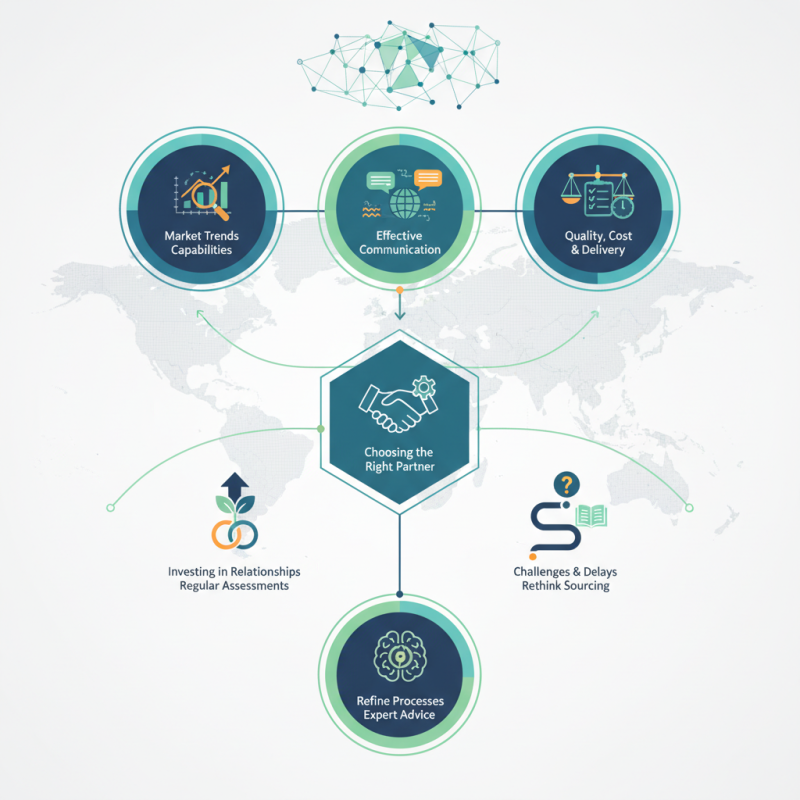
Sourcing Caliper Brackets globally requires a strategic approach. Understanding market trends is essential. Suppliers often have varying capabilities and standards. Effective communication is critical in this landscape.
Choosing the right partner can make or break your project. Factors like quality, cost, and delivery times must be carefully weighed. Companies often face challenges due to cultural differences, which can lead to misunderstandings and delays. These obstacles force companies to rethink their sourcing strategies.
Investing in relationships with international suppliers is crucial. Regular assessments can ensure compliance with quality standards. However, it's important to acknowledge that not all partnerships will succeed. Reflection on past experiences will help refine sourcing processes over time. Seeking expert advice can provide additional insights into the complexities of the global market.
Digital Transformation in Global Sourcing of Caliper Brackets
Digital transformation is reshaping the global sourcing landscape for caliper brackets. Companies that embrace technology can streamline their supply chain processes. According to a recent report by the International Data Corporation, 75% of organizations are focusing on digital initiatives to enhance sourcing effectiveness. This shift allows for improved data analysis and faster decision-making, which are crucial in a competitive market.
Embracing real-time data analytics can significantly improve sourcing strategies. By utilizing digital tools, businesses can identify the best suppliers and negotiate better terms. This helps maintain quality while minimizing costs. However, not all companies adapt quickly. Some struggle with integrating new technologies or face resistance from their teams. Identifying gaps in digital skills remains a challenge for many organizations.
Tips: Regular training sessions on digital platforms can enhance team readiness. Establishing a digital-first culture also fosters innovation and adaptability. Communicating data insights across departments ensures all stakeholders are aligned. By focusing on these best practices, companies can overcome challenges and thrive in the global sourcing of caliper brackets.
Understanding the Global Supply Chain Dynamics for Caliper Brackets
In today's global landscape, sourcing caliper brackets requires deep understanding of supply chain dynamics. According to a recent report by McKinsey, over 75% of companies face disruptions due to geopolitical tensions and pandemics. These factors necessitate a flexible sourcing strategy to mitigate risks.
Companies must evaluate their suppliers' reliability. A 2022 survey from Deloitte revealed that 60% of organizations prioritize supplier resilience. However, many enterprises fail to audit their suppliers adequately. This oversight can lead to unforeseen quality issues or delays. Effective communication with suppliers often reveals hidden challenges in production and logistics.
Geographic diversity plays a crucial role in sourcing strategies. Research from Gardner indicates that firms with suppliers in multiple regions experience 40% less disruption. Still, such strategies carry complexities. Managing relationships across different cultures and regulations requires expertise. Many organizations underestimate this aspect, leading to inefficient operations. Reflecting on these dynamics is essential for future sourcing decisions.
Key Digital Tools for Efficient Caliper Bracket Sourcing
In the fast-evolving landscape of global sourcing, utilizing digital tools has become critical for sourcing caliper brackets efficiently. Recent studies indicate that companies leveraging digital platforms can reduce sourcing costs by up to 30%. Digital supply chain management tools facilitate real-time tracking and enhanced communication with suppliers. These tools provide greater visibility, which is essential in identifying bottlenecks and improving lead times.
Additionally, data analytics plays a vital role in modern sourcing practices. By analyzing historical data, companies can predict trends and optimize inventory levels. Reports show that organizations using predictive analytics have seen a 15% increase in sourcing efficiency. However, not all companies fully embrace these tools. Some still rely on traditional methods, which can lead to delays and inflated costs.
It's important to reflect on how organizations can improve their digital strategy. Many companies struggle with integrating new technology into existing systems. A comprehensive training program for staff can ensure that everyone is on board with digital tools. Investing in the right technology and training will ultimately lead to better sourcing decisions and improved operational efficiency.
Digital Best Practices for Sourcing Caliper Brackets Globally
| Dimension | Description | Digital Tool | Expected Outcome |
| Supplier Evaluation | Assessing supplier capabilities and reliability | Supplier Management Software | Improved supplier selection process |
| Cost Analysis | Analyzing total costs including logistics and tariffs | Cost Estimation Tools | More accurate budget planning |
| Lead Time Management | Monitoring and optimizing lead times from suppliers | Project Management Software | Reduced delays in production |
| Quality Assurance | Ensuring product quality meets standards | Quality Control Software | Consistent product quality |
| Data Analytics | Analyzing sourcing data for informed decisions | Business Intelligence Tools | Enhanced decision-making capability |
Cost Analysis: Digital vs Traditional Sourcing Methods for Caliper Brackets
When sourcing caliper brackets globally, cost analysis reveals significant differences between digital and traditional methods. Digital sourcing offers speed and efficiency, streamlining communication and order placement. This can lower lead times, ultimately saving costs. However, it can create a reliance on technology that may backfire if systems fail.
In contrast, traditional sourcing methods involve more manual processes, which can increase labor costs. The need for face-to-face negotiations may enhance relationships but often elongates project timelines. Balancing these pros and cons is essential. Companies must evaluate their operational needs and budget constraints, considering how each method can impact their bottom line.
Digital sourcing may lead to lower initial costs, but additional expenses can arise from hidden fees or miscommunication. Traditional methods might seem pricier upfront but can yield reliable partnerships. It's vital to analyze real-life case studies. Each approach has unique challenges. Reflecting on which method aligns best with company goals is crucial.
Evaluating Supplier Performance through Digital Metrics in Caliper Sourcing
Evaluating supplier performance in caliper bracket sourcing requires a digital approach. Digital metrics offer unparalleled insights into supplier reliability and production quality. By using metrics like on-time delivery rates, defect rates, and compliance scores, procurement teams can identify which suppliers meet their standards consistently. This data-driven evaluation leads to informed decisions.
However, relying solely on digital metrics can be misleading. Not all data captured reflects real-time supplier performance. For instance, a supplier might excel in delivery but struggle with quality control. This highlights the importance of combining digital metrics with on-site audits and feedback from quality checks. There’s always room for improvement and adaptation in supplier relationships.
Transparency is crucial in supplier evaluations. Stakeholders should communicate metrics with suppliers openly. This fosters trust and encourages suppliers to address performance gaps. Embracing technology is key, but a balanced approach ensures holistic supplier evaluations in a global sourcing context. It is essential to continuously refine these processes for better alignment with business goals.
Digital Best Practices for Sourcing Caliper Brackets Globally
Evaluating Supplier Performance through Digital Metrics in Caliper Sourcing