Top 10 Essential Beer Equipment for Home Brewing Success?
Crafting the perfect brew at home can be a rewarding yet challenging endeavor. Understanding essential Beer Equipment is crucial for any aspiring brewmaster. According to Chris White, a renowned brewing expert, “Good equipment helps unleash your creativity.” His insight highlights the importance of quality tools in the brewing process.
Homebrewing, while exciting, often comes with hurdles. Beginners may feel overwhelmed by the sheer variety of Beer Equipment choices available today. It's vital to select tools that match your brewing goals and experience level. Misjudging the right equipment can lead to frustrating results. Each piece, from fermenters to hydrometers, plays a role in your beer's flavor and quality.
Investing in reliable Beer Equipment can make a difference between good and great. Consider your brewing environment and style before purchasing. Remember, your journey may involve some trial and error. Reflecting on past mistakes can lead to better choices. Ultimately, the right gear can empower your brewing adventures and enhance your enjoyment of the craft.
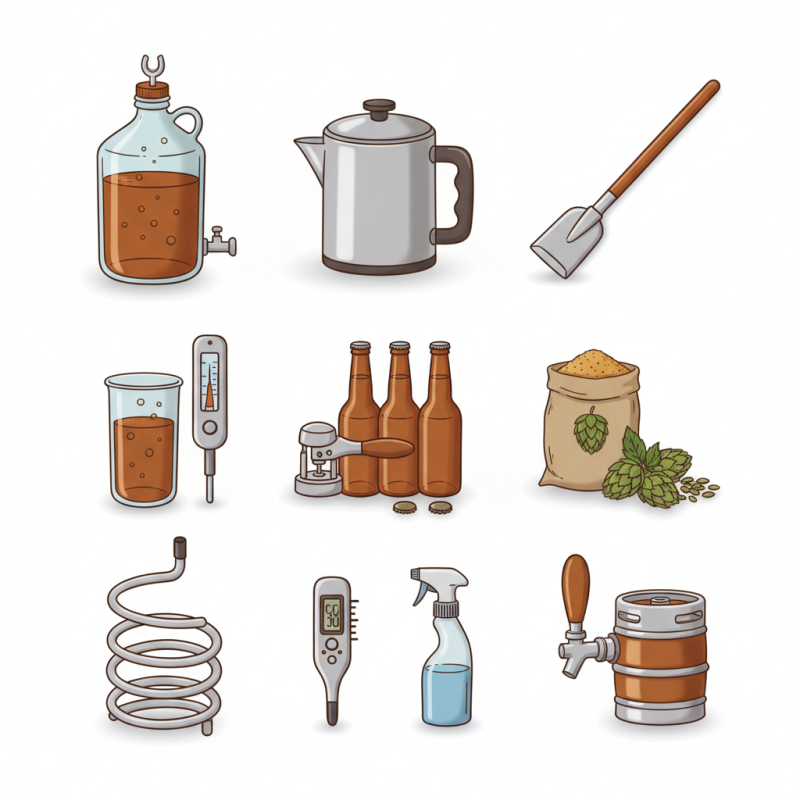
Essential Brewing Equipment for Beginners in Home Brewing
Home brewing can be an exciting adventure, especially for beginners. With the right equipment, your journey can be much smoother. To start, a good brewing kettle is essential. It should hold a minimum of 5 gallons to accommodate your batches.
Next, a fermentation vessel is crucial. Look for one with an airlock. This helps manage pressure and avoids contamination.
Another key piece of equipment is a hydrometer. This tool measures the specific gravity of your brew and helps you track the fermentation process. You'll also need a siphoning system to transfer beer without disturbing sediment. Bottles and caps are necessary for storage. Choose dark bottles to protect your beer from light exposure.
While you gather your equipment, remember there might be challenges. Your first batch may not be perfect. Fermentation times can vary, and flavors may differ. Reflect on your process, and don’t hesitate to adjust.
Each brew is a learning experience that shapes your skills and tastes. Embrace the imperfections as part of the journey.
Understanding Fermentation Vessels and Their Importance
Fermentation vessels are crucial for successful home brewing. They serve as the primary environment for yeast activity. This is where the magic happens. According to industry research, proper fermentation can enhance flavors and improve the carbonation process. A good vessel can also help maintain optimum temperature. Inadequate fermentation methods can lead to off-flavors and other undesirable traits.
When selecting a fermentation vessel, consider the material. Glass carboys are popular, but plastic fermenters offer convenience. The choice greatly affects the beer's clarity and taste. A professional brewing report notes that fermenters should allow for proper airflow while keeping contaminants at bay. This balance is critical for maintaining yeast health. Poor choices may necessitate a second brewing attempt, wasting both time and resources.
Tip: Always sanitize your fermentation vessel before use to prevent unwanted bacteria. A thorough cleaning can make a significant difference.
Monitoring fermentation temperature is another crucial factor. Many brewers overlook this step. Too high or too low temperatures can stall fermentation, leading to incomplete sugar conversion. Regularly checking the temperature can help ensure a smoother brewing process.
Tip: Use a thermometer that can provide accurate readings. This simple tool can prevent common pitfalls.
The Role of Brewing Kettles in Beer Production
Brewing kettles play a crucial role in the beer production process. They are a primary piece of equipment that influences the overall quality of the brewed beer. According to the Brewers Association, the brewing kettle contributes significantly to flavor extraction and the removal of unwanted compounds. Heating the wort effectively helps in the extraction of sugars and essential oils from the malt.
The size and material of the kettle can impact efficiency. Stainless steel kettles are preferred for their durability and heat conductivity. A study by the American Homebrewers Association noted that brewers using high-quality kettles reported a 15% increase in brew efficiency. However, not all homebrewers invest in top-of-the-line kettles. Some opt for budget-friendly alternatives, which may result in inconsistent heating and potential off-flavors.
Temperature control during boiling is another essential aspect. Maintaining the right temperature can be challenging without proper equipment. A small oversight could lead to a significant difference in taste. Many brewers have noted the importance of a reliable brewing kettle for achieving consistent results, emphasizing that even minor variations can affect the final product. Understanding these dynamics can help homebrewers make informed decisions about their brewing setups.
Necessary Brewing Accessories for Enhanced Quality
When it comes to home brewing, quality ingredients are just part of the equation. The right equipment is crucial for achieving desired results. According to industry data, over 70% of successful home brewers cite the importance of using specialized brewing accessories. These tools enhance the brewing process, ensuring consistency and flavor development.
One essential tool is a precise thermometer. Maintaining the correct temperature can prevent off-flavors in your brew. Many brewers overlook this detail, leading to disappointing outcomes. Additionally, utilizing quality fermentation vessels allows for better control of yeast activity. This can significantly impact the flavor profile and clarity of the final product.
Investing in a good hydrometer or refractometer also pays dividends. Tracking specific gravity changes helps monitor fermentation progress. Surprisingly, many new brewers skip this step, resulting in unpredictability in their beer. Ultimately, focusing on these essential accessories can elevate the home brewing experience, leading to improved quality and satisfaction in your final product.
Tips for Maintaining Your Home Brewing Equipment
Maintaining your home brewing equipment is crucial for success. Clean equipment ensures that flavors remain pure and free from unwanted contamination. After each brewing session, take time to clean your fermentation vessels and brewing tools thoroughly. Use warm, soapy water to scrub away residue. Rinse thoroughly to prevent soap from affecting your beer's taste.
Check seals and gaskets on your equipment regularly. They can wear out over time, leading to leaks or contamination. A simple visual inspection can save you from major headaches later. If something appears worn, replace it promptly. This proactive approach protects your final product.
Storage also plays a vital role in maintenance. Keep your equipment in a dry, cool area away from sunlight. This prevents rust and degradation. Consider using airtight containers for smaller components and ingredients. Always reassess your practices; even minor changes can impact your brewing journey. Reflect on your experiences and adjust accordingly for improvement. Regular maintenance not only enhances quality but also extends the life of your equipment.