10 Essential Tips for Effective Prototype PCB Manufacturing
In the fast-paced realm of electronics, prototype PCB manufacturing stands at the crossroads of innovation and efficiency. According to a recent survey by IPC, nearly 75% of engineers report that faster prototyping speeds up their product development timelines. This statistic highlights the critical role of prototypes in bringing ideas to life. As technology advances, the demand for high-quality PCB prototypes only intensifies.
Effective prototype PCB manufacturing is fundamental for successful pre-production testing and validation. However, many companies still face challenges. A study from TechNavio revealed that 60% of manufacturers struggle with cost management during the prototyping stage. These hurdles can lead to delays and increased expenses, emphasizing the importance of mastering efficient manufacturing techniques.
Navigating the complexities of this process requires careful attention to detail. Each step, from design to testing, has its risks and rewards. Considering that nearly 50% of prototypes face design flaws, it's crucial to adopt best practices early on. Proper planning and execution not only mitigate risks but also enhance the overall quality of the final product.
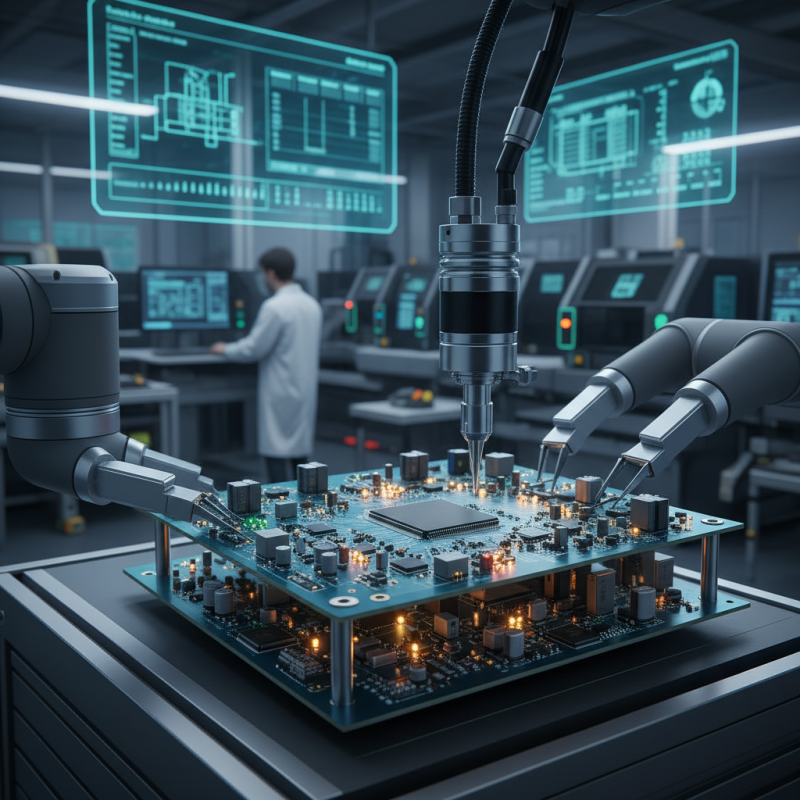
Understanding the Basics of PCB Prototyping and Manufacturing
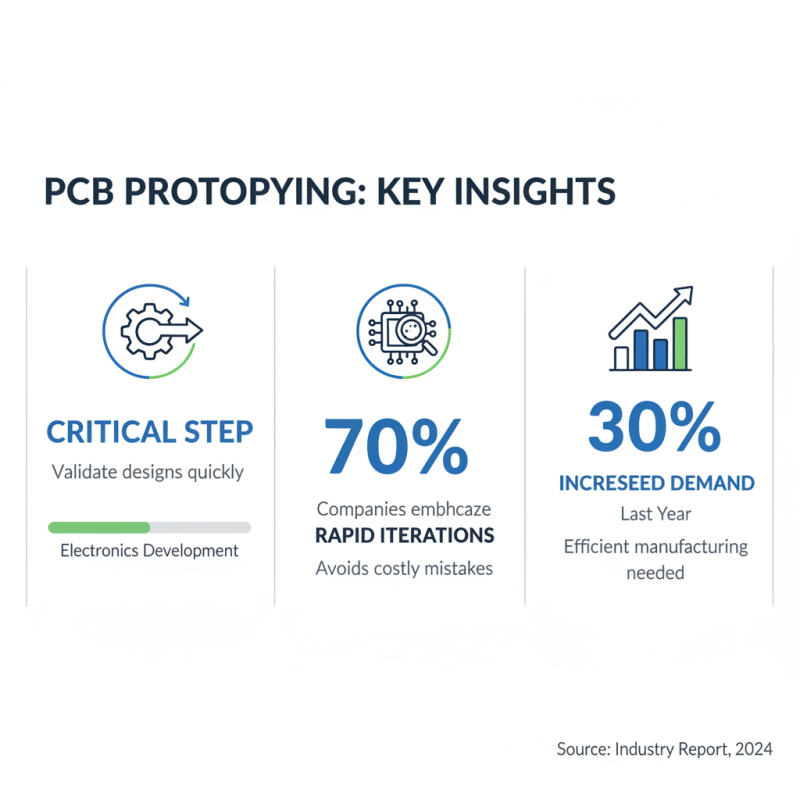
PCB prototyping is a critical step in electronics development. It allows engineers to test and validate their designs quickly. According to a recent industry report, about 70% of companies handling PCB prototyping emphasized the need for rapid iterations. Skipping this phase can lead to costly mistakes. The demand for prototypes has increased by 30% in the last year, stressing the importance of having efficient manufacturing processes in place.
Understanding the basics of PCB manufacturing is essential. The process begins with a schematic design followed by PCB layout creation. This requires specialized software and expertise. Data shows that nearly 40% of prototypes encounter issues due to design errors. Proper checks can mitigate this. After fabrication, assembly follows, which includes mounting components. It's a meticulous process where minor lapses can cause significant setbacks. Precision in every step is vital; otherwise, delays and increased costs will arise.
Assembly techniques vary widely, spanning from hand soldering to automated pick-and-place systems. While automation enhances speed, it can sometimes overlook quality. Research indicates that manual methods remain more reliable for complex layouts. However, they consume more time and labor. So, balancing speed and quality is crucial in PCB prototyping. Issues in this balance often lead to rework and frustrations. The evolution of manufacturing technologies offers both challenges and opportunities in the prototyping landscape.
Choosing the Right Materials for Prototype PCB Production
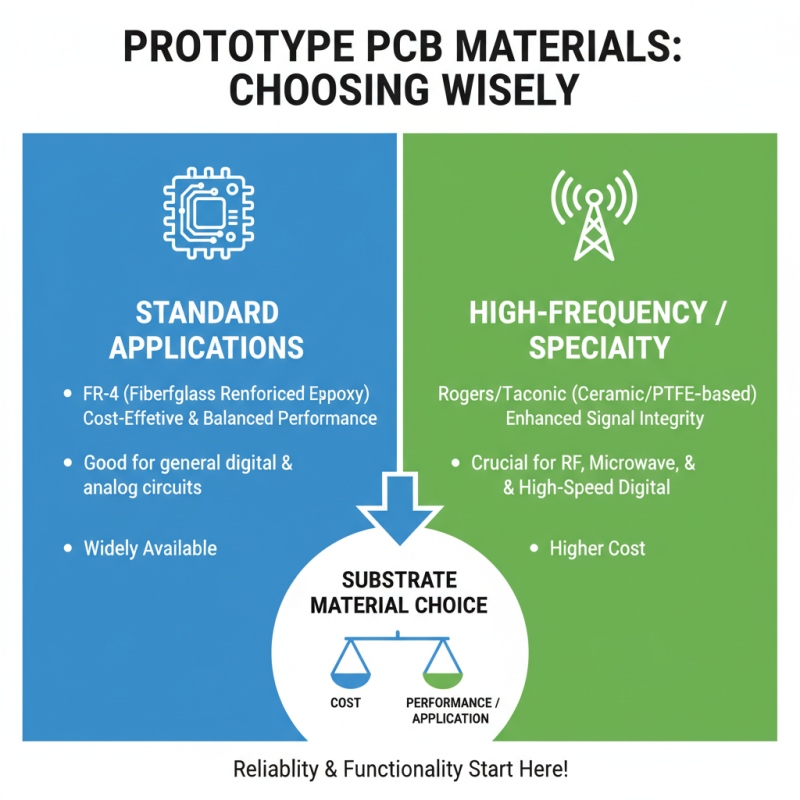
Choosing the right materials for prototype PCB production is crucial for creating reliable and functional boards. The substrate material is one of the most important elements. FR-4 is commonly used due to its balance of cost and performance. However, it may not always be the best option for every project. For high-frequency applications, materials like Rogers or Taconic could be more suitable. Their dielectric properties enhance signal integrity but can be more expensive.
Copper is another critical material. The thickness of the copper can impact performance and cost. Thicker copper allows for higher current carrying capacities but may complicate the manufacturing process. Sometimes, manufacturers might push for a standard thickness, but it’s essential to evaluate the specific needs of your design. Additionally, keep in mind that the finishing process can influence solderability and durability. Options like ENIG or OSP each have their strengths. Choosing the wrong finish may cause difficulties in assembly.
Whatever you choose, reflecting on your material selections is vital. Sometimes prototyping with cheaper materials helps identify design flaws early. However, relying solely on low-cost options could lead to late-stage issues. Testing different combinations of materials could reveal unforeseen challenges. Make decisions based not only on price but also on the specific requirements of your prototype. Doing so will pave the way for more efficient and effective PCB manufacturing processes.
Design Considerations for Successful PCB Prototyping
When considering PCB prototyping, several design aspects are crucial. Begin with precise dimensions. Tolerance levels must be defined clearly. Research indicates that up to 30% of prototypes face redesign due to measurement inaccuracies. Tools for CAD modeling can mitigate this issue. Attention to detail during layout can greatly influence the outcome.
Issues like thermal management are often overlooked. Poor heat dissipation can lead to failures. According to industry reports, 25% of PCB failures come from inadequate thermal design. This point is vital, especially in high-power applications. Ensuring adequate space for heat sinks or thermal vias is necessary.
Signal integrity is another significant challenge. Poor trace design may introduce unintended delays. Simulation tools can help identify potential problems. Many design teams underestimate the impact of trace width and spacing, leading to costly revisions. Prototyping is an iterative process. Learning from each iteration is essential for achieving a successful end product.
Prototype PCB Manufacturing: Key Factors Analysis
Key Production Techniques for Efficient PCB Manufacturing
Prototype PCB manufacturing requires precision and efficiency. Key production techniques play a vital role in achieving these goals. One effective method is the use of advanced CAD software. This software helps in creating accurate designs. However, designers often overlook certain details, leading to costly errors later on.
Another important technique is layer stack-up planning. This involves arranging the layers of the PCB correctly. Misalignment can result in signal integrity issues. Manufacturers must double-check their layer arrangements. A common mistake is underestimating the impact of vias. Proper via design is crucial for reliable connections.
Finally, integrating automated testing in the process can save time. Testing early can catch defects before mass production. Neglecting this step can lead to batch failures. Many engineers dismiss the complexity of testing. A thorough approach can streamline the manufacturing process. Balancing speed and quality is always a challenge in PCB production.
Testing and Quality Assurance in Prototype PCB Development
Testing and quality assurance are critical steps in prototype PCB development. Effective testing ensures that your prototype operates correctly in all expected conditions. Begin with visual inspections to catch immediate issues. Look for soldering defects, alignment problems, and damaged components. A quick check can save time later.
Functional testing is where crucial evaluations happen. Verify that each circuit performs as designed. Use oscilloscopes and multimeters to check voltages and signals. Running stress tests can reveal weaknesses under load. Sometimes, you might find that a component fails under specific conditions, highlighting areas for improvement.
Documentation plays a significant role in quality assurance. Keep detailed records of test results and any encountered issues. Regularly revisiting these can help refine your processes. Recognizing these imperfections is crucial for continual improvement. Each prototype's flaws offer valuable insights that can lead to enhanced designs. Always remember, iterative testing is necessary for high-quality outcomes.