What is Flexible Printed Circuit and Its Applications?
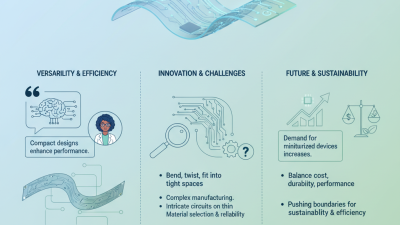
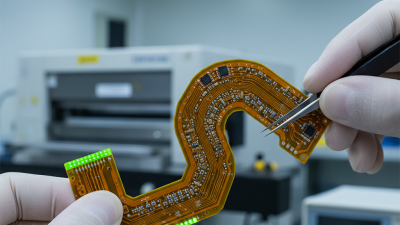
Flexible printed circuits, often referred to as flexible PCBs, play a crucial role in modern technology. These circuits are designed to bend and twist without losing functionality. This unique characteristic allows them to be used in various compact and intricate devices. Flexible printed circuits are commonly found in smartphones, medical devices, and automotive applications. Their adaptability enhances the design and performance of electronic systems.
The manufacturing process of flexible printed circuits involves advanced techniques that ensure reliability and durability. Different materials are used to meet specific performance requirements. However, quality control is vital. The integration of flexible PCBs into existing systems may pose challenges. Engineers must address these issues to optimize performance.
Flexibility is not without limitations. The designs must balance versatility and potential risks such as damage or wear. Understanding the strengths and weaknesses of flexible printed circuits can lead to better innovation. As technology advances, embracing these insights will shape the future of electronics.

What is a Flexible Printed Circuit?
Flexible Printed Circuits (FPCs) are essential components in modern electronics. They consist of thin, flexible substrates that allow circuits to bend and flex. This design is ideal for compact electronic devices. According to a recent industry report, the global demand for flexible printed circuits is projected to grow at a CAGR of 10.3% from 2021 to 2026. This growth is driven by innovations in consumer electronics, automotive, and medical devices.
FPCs provide numerous advantages over traditional rigid circuits. They enable lightweight designs and reduce assembly complexity. By utilizing flexible materials, manufacturers can save space and create more integrated devices. Recent studies suggest that about 60% of modern devices now incorporate flexibility features. However, the production process can be challenging. Issues like material reliability and precision can lead to lower yield rates.
**Tip:** When working with FPCs, consider the application requirements carefully. Flexibility is great, but it may also affect durability. Understanding the environment where the circuit will be used is crucial.
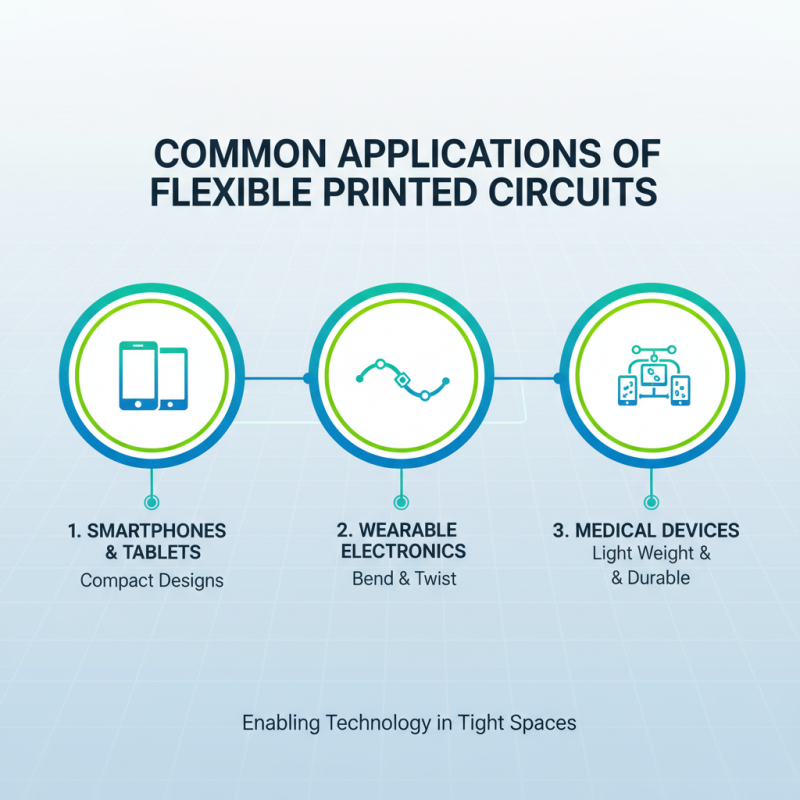
FPCs are increasingly used in smartphones, wearables, and medical technology. These applications benefit from their ability to fit into small spaces and handle complex shapes. Yet, engineers must navigate potential pitfalls, such as signal integrity issues. Balancing performance, cost, and design can be a complex task.
**Tip:** Always prototype and test under real conditions. This practice helps identify any unforeseen challenges before mass production. Observing failures can be as informative as successes.
Applications of Flexible Printed Circuits
Key Components of Flexible Printed Circuits
Flexible printed circuits (FPCs) play a significant role in modern electronics. They are found in everything from smartphones to medical devices. But what makes them so effective? The answer lies in their key components.
One major element of FPCs is the substrate, typically made from polyimide or PET. This material contributes to flexibility and thermal stability. Additionally, Copper traces create the conductive pathways essential for electronic signals. These traces can be very thin, allowing for compact designs. The combination of these materials forms a lightweight yet durable circuit that can bend and fold.
Another important component is the adhesive used in FPC manufacturing. This adhesive bonds the layers without adding bulk. However, the choice of adhesive can impact longevity and performance. As technology advances, the need for robust adhesives that withstand environmental factors grows. These components, while often overlooked, are crucial for ensuring flexible printed circuits function correctly in various applications, including automotive and wearable tech.
Advantages of Using Flexible Printed Circuits
Flexible printed circuits (FPCs) boast numerous advantages. Their lightweight and compact design allows for innovative solutions in various applications, from medical devices to consumer electronics. The global flexible printed circuit market size is projected to reach $33.47 billion by 2026, according to a report by Mordor Intelligence. This growth indicates increased demand across multiple sectors, which rely on the versatility of FPCs.
One of the key benefits of FPCs is their ability to bend and twist without losing functionality. This flexibility leads to smaller product designs and can enhance device performance. For instance, in wearable technology, compactness is crucial. FPCs can be integrated into tight spaces where traditional circuits might not fit. Maintaining a reliable electrical connection is vital to device safety and performance, emphasizing the importance of high-quality manufacturing standards.
Tips: When designing with FPCs, consider thermal management. Heat can affect performance. Using materials with good thermal conductivity can mitigate this risk. Additionally, always test prototypes to identify potential weaknesses early in the process. The reliability of a design hinges on thorough testing. Embrace iterations for enhancement.
What is Flexible Printed Circuit and Its Applications? - Advantages of Using Flexible Printed Circuits
| Dimension |
Description |
Applications |
Advantages |
| Dimensions |
Flexible circuits can be designed in various shapes and sizes, allowing for custom configurations. |
Consumer Electronics, Medical Devices, Automotive Applications, Aerospace |
Lightweight, Space-efficient, Enhanced Reliability |
| Material |
Typically made of polyimide or polyester films for flexibility and durability. |
Wearable Technology, Portable Devices, Telecommunications |
High Thermal Stability, Chemical Resistance, Tailored Electrical Performance |
| Flexibility |
Can bend and twist without breaking, ideal for dynamic applications. |
Robotics, Smart Appliances, IoT Devices |
Reduced Assembly Time, Lower Overall Costs, Improved Performance |
| Design Complexity |
Allows for intricate designs that standard PCBs cannot accommodate. |
Complex Electronics, Aerospace Systems, Defense Equipment |
Design Versatility, High Density Interconnections, Improved Reliability |
Future Trends in Flexible Printed Circuit Technology
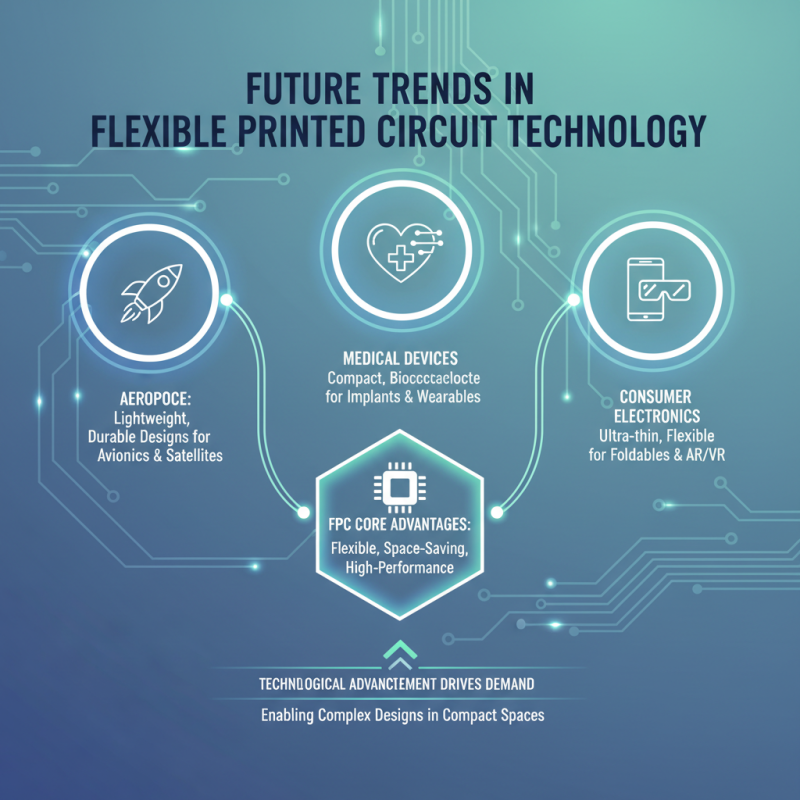
Flexible printed circuits (FPCs) are transforming various industries. Their lightweight and compact design makes them ideal for modern electronics. As technology advances, the demand for FPCs grows in sectors like aerospace, medical devices, and consumer electronics. These circuits allow for complex designs in tight spaces.
Future trends in flexible printed circuit technology focus on enhanced functionality. Researchers are exploring materials that improve flexibility and durability. This can lead to more reliable devices. Additionally, innovations in manufacturing techniques could reduce production costs. Sustainable materials are becoming a priority. This shift impacts both environmental footprint and product lifecycle.
Challenges remain in the adoption of new technologies. The need for skilled professionals to design and fabricate FPCs is crucial. As the market expands, so does competition. Companies must adapt to keep up with evolving demands. Embracing collaboration between industries will drive innovation. The future of FPC technology appears bright but requires ongoing investment and focus.