How to Achieve High Quality Electronic PCB Assembly in 2026?
In 2026, achieving high-quality electronic PCB assembly is more crucial than ever. According to Dr. Emily Zhang, a leading expert in the field, "Quality in electronic PCB assembly shapes the future of technology." Her insights highlight a fundamental truth: the demand for precision and reliability is growing.
As industries increasingly rely on sophisticated electronic components, understanding the nuances of electronic PCB assembly becomes essential. The assembly process not only affects performance but also impacts overall product longevity. Manufacturers must pay attention to every detail, from material selection to soldering techniques. Each step plays a vital role in ensuring the final product meets stringent quality standards.
However, challenges remain. High-speed production lines can sometimes compromise quality. The pressure for rapid turnaround can lead to mistakes. Adapting to advanced technologies while retaining quality is a fine balance. Reflecting on these realities will pave the way for innovations that prioritize excellence in electronic PCB assembly.
Advancements in PCB Assembly Technologies for 2026
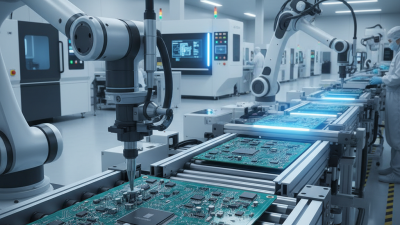
In 2026, advancements in PCB assembly technologies will drive significant changes in the electronics manufacturing landscape. With global demand for PCBs projected to reach $80 billion, there's a pressing need for innovative solutions. Industry reports indicate that automation will play a crucial role in meeting this demand, with nearly 70% of manufacturers expected to adopt automated assembly lines. This shift not only enhances precision but also minimizes waste, aligning with sustainable manufacturing practices.
Furthermore, the integration of AI and machine learning will redefine quality control processes. According to recent studies, AI-driven inspection systems can detect defects with over 95% accuracy, significantly reducing the risk of faulty products. However, the reliance on technology also presents challenges. Training a workforce adept in using these advanced tools is essential. Many companies face hurdles in upskilling their staff, leading to potential implementation delays.
As we embrace these advancements, addressing cybersecurity risks becomes paramount. With increased connectivity in PCB assembly lines, protecting sensitive data from breaches is crucial. Recent statistics reveal that cyber-attacks on manufacturing increased by 30% in the past year. Companies must prioritize cybersecurity protocols to safeguard their operations. Balancing innovation with risk management will demand continuous assessment and adaptation in the industry.
How to Achieve High Quality Electronic PCB Assembly in 2026?
| Technology |
Description |
Benefits |
Challenges |
| AI-Driven Inspection |
Utilizes artificial intelligence for real-time quality assessment during assembly. |
Increased accuracy and reduction of human error. |
High initial setup costs and technical expertise required. |
| Automated Soldering Techniques |
Advanced robotic systems for precise soldering. |
Enhanced reliability and speed in production. |
Maintenance of machinery and technical training for operators. |
| 3D Printing for Prototyping |
Use of 3D printing technologies to create custom PCB prototypes. |
Rapid prototyping and reduced material waste. |
Material limitations and slower production speeds for final products. |
| Flexible PCB Manufacturing |
Production of PCBs with flexible substrates for dynamic applications. |
Increased design options and form factor adaptability. |
Costly manufacturing processes and potential durability issues. |
| IoT Integration |
Embedding IoT technology for smart PCB functionality. |
Enhanced connectivity and data collection capabilities. |
Requires additional security measures and complexity in design. |
Key Quality Control Measures in Electronic PCB Assembly
Achieving high-quality electronic PCB assembly is crucial for the success of electronic devices. Implementing key quality control measures enhances reliability. Start by conducting thorough inspections at every assembly stage. This ensures each component meets specified standards. Regular audits are essential for identifying weaknesses in processes.
In addition to inspections, training personnel is vital. Skilled workers make fewer mistakes and understand the intricacies of PCB assembly. Integrate hands-on training sessions. These should focus on quality standards and common pitfalls. Knowledge sharing within teams fosters a culture of quality.
**Tip:** Use automated optical inspection (AOI) to detect defects early. This technology helps minimize errors before soldering.
Documenting processes helps create consistency. However, be aware that strict adherence to documents can stifle creativity. Allow space for input from employees. Their experiences can lead to valuable improvements. Quality control doesn't end at assembly; it extends through testing. Post-assembly tests ensure functionality under real-world conditions.
**Tip:** Implement feedback loops between teams. This promotes continuous improvement based on practical experiences.
Best Practices for Material Selection in PCB Manufacturing
Choosing the right materials is crucial in PCB manufacturing for high-quality assembly. Materials impact functionality, reliability, and durability. Consider factors like thermal management and signal integrity when selecting substrates. For example, FR-4 is common, but alternatives like Rogers materials offer better performance in high-frequency applications.
Copper thickness is another significant aspect. Thicker copper can handle higher current loads but can also increase costs. Balancing performance and budget is vital. Test different combinations to find the optimal setup for your projects. Be open to experimenting with less common materials as they may surprise you with their benefits.
Quality assurance should not be overlooked. Material inconsistencies can arise from various suppliers. Always verify material certifications and conduct performance tests. This step can help you avoid issues in later stages of production. Challenges may arise during assembly, but learning from these experiences can lead to better future decisions.
Emerging Trends in Automation and AI for PCB Assembly
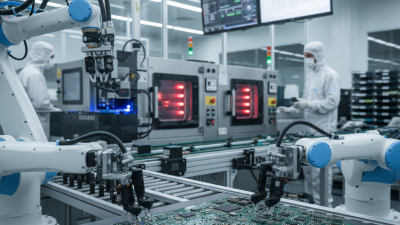
The landscape of PCB assembly is rapidly evolving. In 2026, automation and artificial intelligence (AI) will play crucial roles in enhancing assembly quality. Automation systems, equipped with advanced robotics, will minimize human error. These systems will enable precise component placement and faster production cycles. As a result, manufacturers can produce high-quality printed circuit boards more efficiently.
AI technologies will revolutionize the inspection process. Machine learning algorithms can identify defects in real-time. These systems will analyze vast amounts of data, improving over time. However, reliance on AI poses challenges too. There's a need for constant monitoring to avoid false positives or overlooked defects. Balancing automation with human oversight will be essential for maintaining quality standards.
Collaboration between engineers and AI will drive innovation. Engineers must constantly adapt to emerging technologies, which can be demanding. Training and education will be vital to keep pace with changes. Companies may find it difficult to implement these technologies effectively. It’s crucial to foster an environment where these innovations can be explored. Addressing these issues can lead to breakthroughs in PCB assembly.
Projected Growth of PCB Assembly Automation Technologies (2020-2026)
This chart illustrates the projected market growth for PCB assembly automation technologies from 2020 to 2026. The data indicates a significant upward trend, reflecting the increasing adoption of automation and AI in the PCB assembly industry.
Strategies for Reducing Costs While Maintaining Quality in PCB Production
Achieving high-quality electronic PCB assembly while controlling costs is a complex task. One effective strategy involves optimizing the design process. Early collaboration between engineers and designers can reduce revisions, saving both time and money. Ensuring that designs are manufacturable from the start prevents costly changes later.
Implementing automated manufacturing processes improves precision. Automation enhances repeatability and minimizes human error. However, it requires investment and initial training, which can seem daunting. Companies must weigh these costs against the long-term savings automation can provide. Additionally, regular maintenance of automated systems is crucial; neglecting this can lead to unexpected downtimes and higher costs.
Sourcing materials wisely can also impact costs without sacrificing quality. Using local suppliers often reduces shipping costs and lead times. However, balancing cost and quality in material selection is key. Cheaper options might lead to quality issues. It’s essential to research suppliers thoroughly and review past performance as these reflections can guide better choices and ultimately support high-quality PCB production.