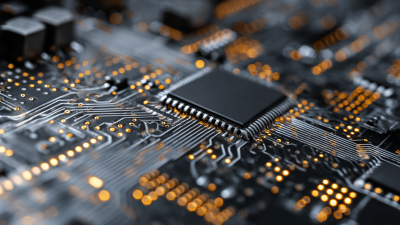
Innovative Circuit Board Manufacturing Techniques for Tomorrow's Technology
As technology continues to evolve rapidly, the demand for
advanced circuit board manufacturing techniques has never been more pressing.
According to a recent report by MarketsandMarkets, the global printed circuit board (PCB) market is projected to
reach $85.42 billion by 2026, growing at a CAGR of 3.6%
from 2021. This growth underscores the critical role of circuit boards in supporting innovative technologies such as
IoT, artificial intelligence, and
electric vehicles. Manufacturers are now compelled to adopt state-of-the-art techniques,
including additive manufacturing and advanced materials engineering, to meet the increasing complexity
and miniaturization of electronic devices. By harnessing these innovative methods,
the industry can not only enhance functional performance but also achieve greater sustainability and cost-efficiency,
positioning themselves at the forefront of tomorrow's technological advancements
in circuit board manufacturing.
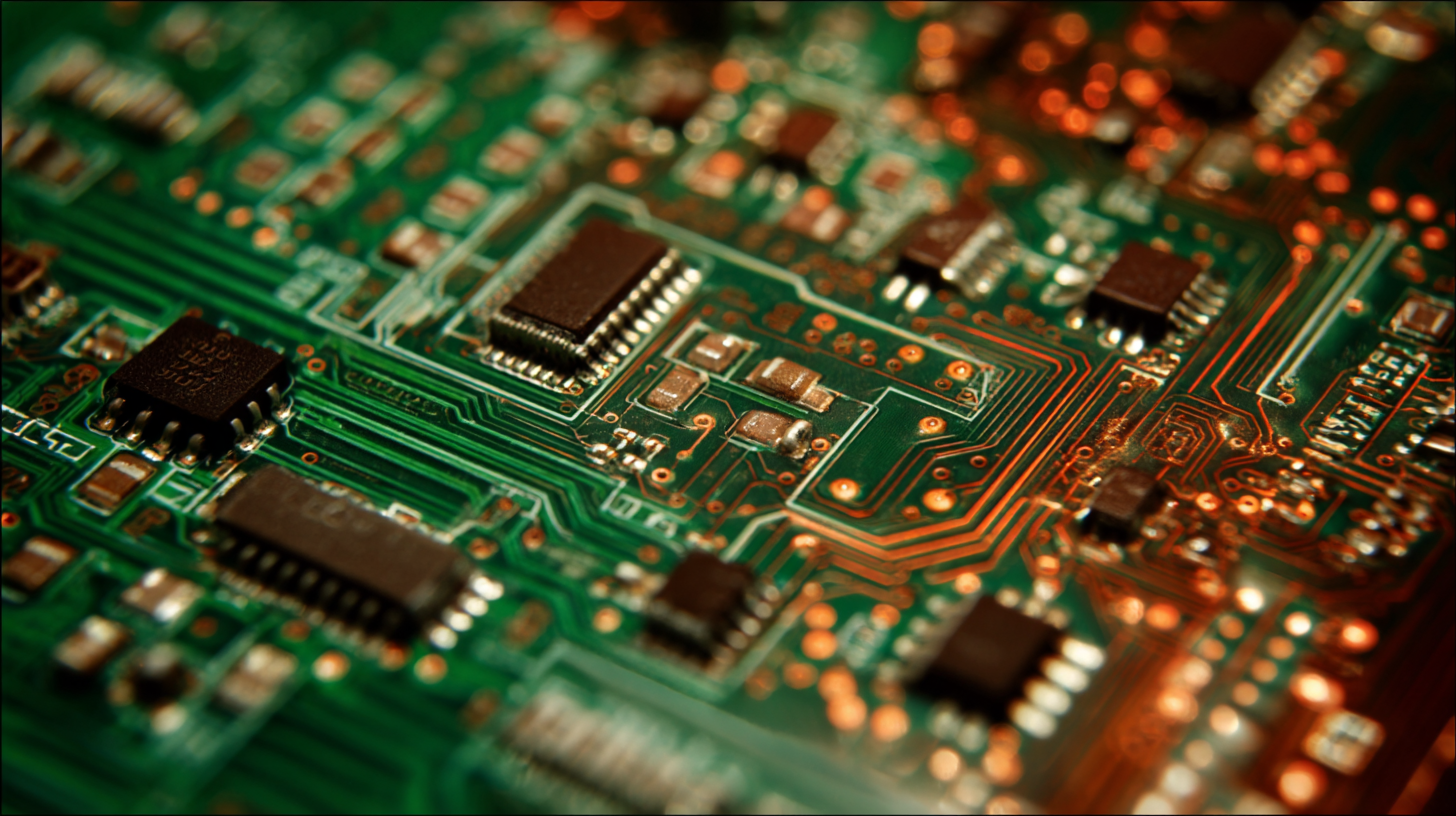
Emerging Trends in Circuit Board Manufacturing: A Focus on Sustainability and Efficiency
The shift toward sustainability in circuit board manufacturing is gaining momentum, with industry leaders recognizing the need for
innovative practices that not only comply with regulations but actively promote environmental responsibility.
Recent data from industry reports indicate that the sustainable electronics market is projected to grow significantly, with a focus on eco-friendly materials
and efficient manufacturing processes. Techniques such as the use of biodegradable substrates and energy-efficient fabrication methods are becoming prevalent,
paving the way for a greener future in electronics.
Tip: When exploring sustainable manufacturing options, consider
assessing the lifecycle impact of materials used in your products. This not only enhances your brand's reputation but also meets
the increasing consumer demand for environmentally friendly solutions.
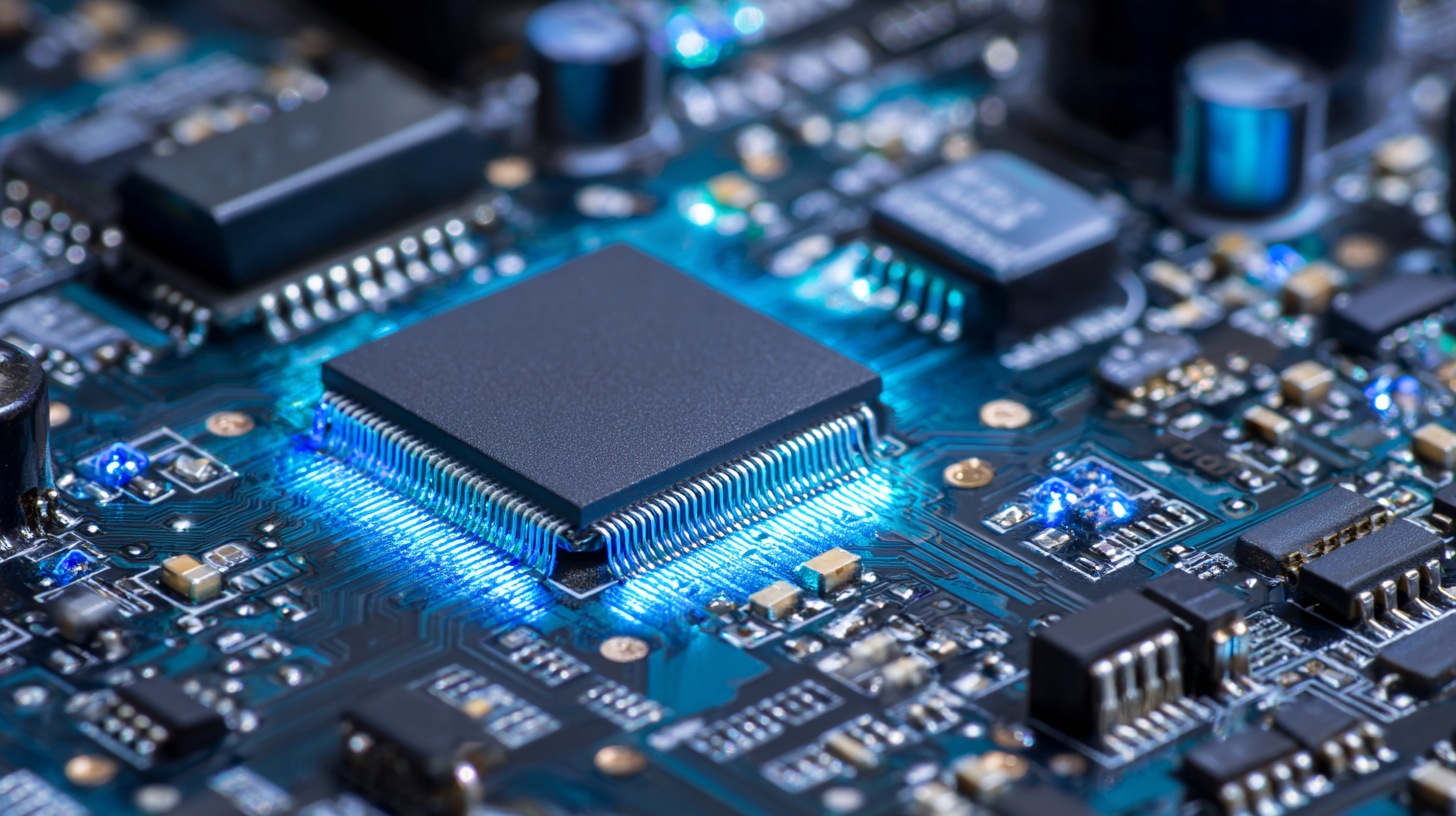
In addition to sustainable materials, advancements in manufacturing technologies are crucial to improving efficiency. Emerging trends demonstrate that integrating
automation and smart manufacturing systems not only reduces waste but also streamlines production processes. A recent report highlights that companies adopting
these innovations can
reduce their operational costs by up to 30%, underscoring the economic benefits of investing
in sustainability.
Tip: Stay ahead of the curve by engaging with industry startups focused on innovative sustainability practices.
Collaborating with these companies can unlock new opportunities and drive your business towards a more sustainable and efficient future.
The Role of Advanced Materials in Next-Generation Circuit Board Production
The evolution of circuit board manufacturing is being significantly influenced by the introduction of advanced materials, which are crucial for the development of next-generation electronics. Recent data suggests that the market for advanced materials, including alternative and nanotechnology-based compounds, is projected to grow at an annual rate of over 15% through 2030. This growth is driven by the need for lighter, more efficient, and multi-functional circuit components that meet the demands of modern technology.
Companies are increasingly investing in the research and development of innovative materials such as 2D substances and carbon nanotubes, which enhance electronic properties and boost performance efficiency. These advancements allow for the production of thinner and more flexible circuit boards that can easily integrate into diverse applications, from consumer electronics to aerospace systems. Furthermore, ongoing collaborations among industry leaders are set to streamline the integration of new materials into existing manufacturing processes, thereby improving overall production quality and sustainability in the electronics sector. As the competition intensifies, adopting such cutting-edge materials will be essential for manufacturers aiming to stay ahead in the rapidly evolving technology landscape.
Innovative Circuit Board Manufacturing Techniques for Tomorrow's Technology
| Material Type |
Application |
Advantages |
Challenges |
| High-Frequency Laminates |
Aerospace and Telecommunications |
Low signal loss, better performance at high frequencies |
Higher cost compared to traditional materials |
| Flexible PCBs |
Wearable Technology and Consumer Electronics |
Lightweight, bends without breaking |
Limited heat dissipation |
| Copper Foil |
High-Power Applications |
Excellent conductivity |
Corrosion resistance issues |
| Thermal Management Materials |
Electric Vehicles and Power Supplies |
Improved heat dissipation, enhanced reliability |
Material cost and complexity |
| Bio-inspired Materials |
Medical Devices |
Biocompatibility and sustainability |
Limited production scalability |
Automation and Robotics in Circuit Board Manufacturing: Revolutionizing the Industry
Automation and robotics are transforming circuit board manufacturing, marking a significant shift towards efficiency and precision in the industry. According to a report by MarketsandMarkets, the global robotic automation market in electronics is expected to reach $21.2 billion by 2025, growing at a compound annual growth rate (CAGR) of 14.6%. This growth reflects the increasing adoption of advanced technologies to minimize human error and enhance production speed. Automated systems not only streamline the assembly process but also enable manufacturers to meet the rising demand for more complex circuitry, as electronic devices become smaller yet more powerful.
Tip: Implementing machine learning algorithms in robotics can optimize production schedules, further increasing efficiency. By analyzing data from previous production runs, manufacturers can adjust parameters in real-time, reducing downtime and maximizing output.
Moreover, the integration of robotics allows for more flexible manufacturing setups, catering to both mass production and custom circuit board designs. A recent study from Frost & Sullivan highlights that businesses utilizing automated production lines can reduce labor costs by up to 30%, which translates to enhanced profitability. This shift doesn't just benefit larger enterprises; even small and mid-sized companies can harness automation to compete in the ever-evolving electronics market.
Tip: Consider phased automation strategies to minimize disruptions during the transition. Start by automating repetitive tasks before scaling to sophisticated robotics, ensuring a smooth adaptation to new technologies.
Impact of 3D Printing Technologies on Circuit Board Design and Fabrication
The advent of 3D printing technologies has significantly transformed the landscape of circuit board design and fabrication. Traditional methods often involve multiple steps of layering, etching, and drilling, which can be both time-consuming and costly. However, with 3D printing, manufacturers can now create complex circuit geometries in a single process. This not only reduces production time but also allows for more intricate designs that were previously unattainable. As designers experiment with various materials, such as conductive inks and thermoplastics, the potential for customized, lightweight, and flexible circuit boards becomes increasingly viable.
Moreover, 3D printing enhances prototyping capabilities. Engineers can quickly iterate their designs, testing functionality and making adjustments on the fly. This agility fosters innovation, as it encourages experimentation without the typical constraints imposed by traditional manufacturing methods. The ability to produce low-volume, high-performance circuits directly from a digital model empowers companies to bring new technologies to market faster, significantly influencing sectors like consumer electronics, automotive, and aerospace. As 3D printing continues to evolve, it promises to redefine standards in circuit board manufacturing, paving the way for futuristic applications and devices.
Impact of 3D Printing Technologies on Circuit Board Design and Fabrication
Key Industry Standards and Certifications Shaping Future Circuit Board Manufacturing Techniques
As the technology landscape evolves, circuit board manufacturing techniques must adapt to meet new demands. Key industry standards and certifications play a crucial role in this transformation, ensuring that manufacturing processes are efficient, reliable, and environmentally responsible. Standards such as IPC-A-600 and IPC-6012 set benchmarks for quality and reliability in circuit boards, guiding manufacturers in product design and production.
Tip: When considering a partner for circuit board manufacturing, check their adherence to these industry standards. This not only ensures product reliability but also enhances overall efficiency and reduces time-to-market.
Sustainability is becoming increasingly important in circuit board production. Certifications like ISO 14001 emphasize environmental management systems, driving manufacturers to adopt eco-friendly practices. The integration of these standards not only improves product quality but also aligns companies with global sustainability goals.
Tip: Look for manufacturers who are ISO-certified; this commitment indicates a serious approach toward sustainable practices, which can be a significant competitive advantage in today’s market.