Top Insights on Flexible PCB Fabrication Techniques and Trends?
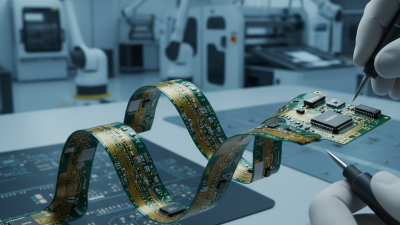
Flexible PCB fabrication has revolutionized the electronics industry. It allows for thinner, lighter, and more versatile designs. This innovation is crucial for applications ranging from consumer electronics to medical devices. Engineers and manufacturers are keen to explore the latest techniques and trends in this field.
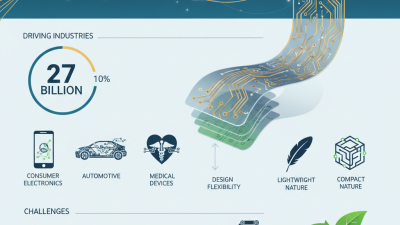
One notable trend is the increased integration of advanced materials. These materials enhance flexibility and durability. Innovators are also focusing on sustainable practices in flexible PCB fabrication. However, challenges persist. Not all processes yield consistent results. Quality control remains a key issue, requiring ongoing attention.
The evolution of flexible PCB technology promises exciting possibilities. As the demand for smart devices grows, so does the need for effective fabrication methods. Understanding these trends helps companies stay competitive. The future of flexible PCBs is bright, but careful development is essential.

Overview of Flexible PCB Fabrication Techniques
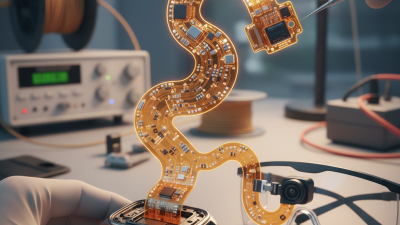
Flexible PCB fabrication techniques have gained significant attention in recent years. These techniques enable the creation of lightweight, thin, and versatile circuits. The demand for compact electronic devices has spurred innovation in this field. Various methods are utilized in the fabrication of flexible PCBs.
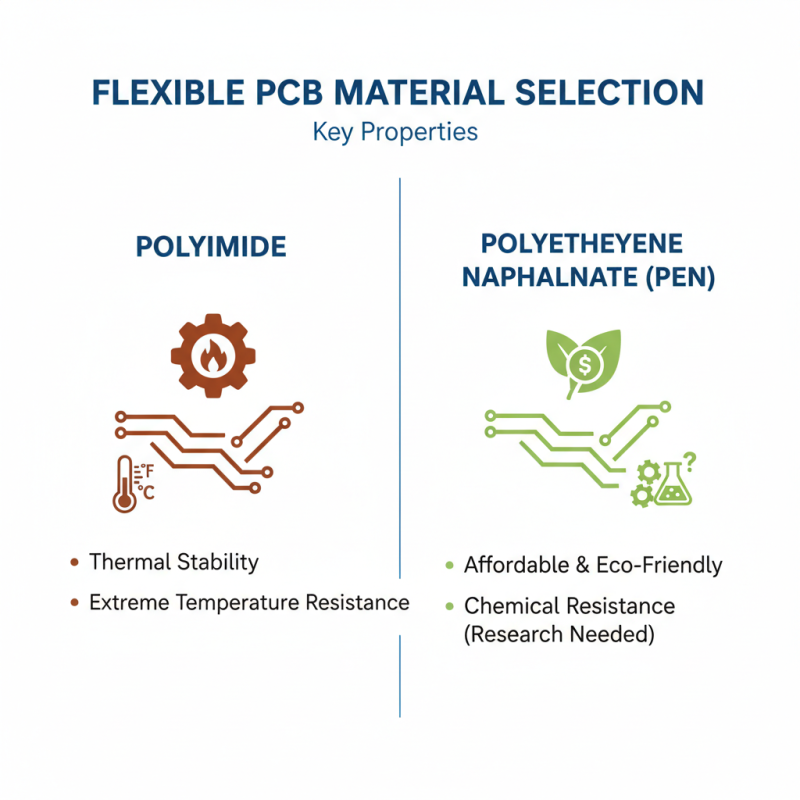
One popular technique is the use of polyimide films as substrates. These materials offer excellent thermal stability and mechanical strength. Additionally, additive manufacturing processes like screen printing and inkjet printing are becoming common. These methods allow for intricate designs and quick prototyping. However, challenges remain. Achieving precise layer adhesion can sometimes be tricky.
Another noteworthy technique involves the etching process. This method creates fine copper patterns on the flexible substrate. While effective, it requires careful control to avoid undesired defects. Designers often face the dilemma of balancing performance and flexibility. The continuous evolution in materials and processes shows great promise for the future of flexible PCBs. Yet, there is still room for improvement in reliability and scalability.
Comparison of Conventional vs. Advanced Fabrication Methods
When comparing conventional and advanced fabrication methods for flexible PCBs, a few key differences emerge. Conventional methods involve techniques like screen printing and etching. These have been effective for years, yet they often fall short in precision. There can be variations in thickness and alignment. Advanced methods, such as additive manufacturing and laser processing, promise better control and flexibility. They enable intricate designs with reduced waste, catering to complex applications.
Tips: Be mindful of your material choices. Avoid materials known for inconsistent performance. Explore different combinations to find the best fit.
Another notable element is turnaround time. Conventional methods can take longer due to multiple steps involved. In contrast, advanced techniques can significantly reduce production times, making them ideal for fast-paced industries. While advanced methods involve higher initial costs, the long-term benefits often justify the investment. Quality and efficiency are paramount.
Tips: Always prototype before mass production. Testing smaller runs can save costs and highlight potential flaws. Gather feedback and iterate on designs.
Choosing the right fabrication method depends on your specific application. Consider factors like volume, complexity, and cost. Each project has unique requirements. Taking the time to evaluate will lead to better outcomes.
Top Insights on Flexible PCB Fabrication Techniques
Emerging Trends Shaping the Future of Flexible PCBs
The landscape of flexible PCB fabrication is evolving rapidly. Emerging trends are reshaping how we think about these versatile circuits. One key trend is the integration of advanced materials. These materials enhance flexibility and durability. Engineers are experimenting with polymers and hybrid substrates. This creates lightweight designs with improved performance.
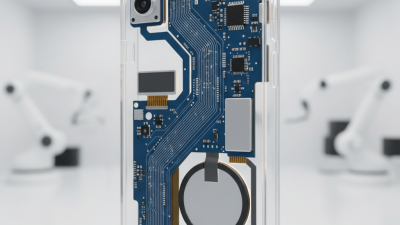
Another insight is the increasing demand for miniaturization. Consumers seek smaller devices with high functionality. Flexible PCBs meet this need beautifully. They allow intricate designs in limited spaces. However, achieving this miniaturization can be challenging. There is often a delicate balance between size and reliability.
Sustainability is also becoming a central focus. Manufacturers are exploring eco-friendly materials and processes. This shift presents both opportunities and hurdles. Companies must adapt to new regulations while maintaining quality. That said, progress is not without setbacks. Investing in sustainable practices might strain budgets. Yet, it drives innovation in the long run.
Challenges and Solutions in Flexible PCB Production
Flexible PCB production faces unique challenges. Designing intricate circuits on bendable materials can lead to unexpected issues. One common problem is maintaining signal integrity. Wicking of solder can also occur on flexible substrates, complicating assembly.
Manufacturers often struggle with material selection. Not all materials provide the right balance of flexibility and durability. Additionally, processing temperatures can affect the performance of these materials. Finding the optimal combination of substrate, inks, and resins is not straightforward.
Testing becomes another hurdle. Standard tests may not apply to flexible boards. Unexpected failures during testing can arise, leading to increased costs and delays. It’s crucial for manufacturers to refine their processes and adapt to new techniques. Continuous learning and innovation help mitigate these challenges.
Top Insights on Flexible PCB Fabrication Techniques and Trends
| Fabrication Technique |
Key Trends |
Challenges |
Solutions |
| Screen Printing |
Increased adoption in high-density applications |
Ink consistency and adhesion issues |
Improved ink formulations |
| Laser Cutting |
Emerging applications in wearable devices |
Material heat damage |
Optimizing laser parameters |
| Additive Manufacturing |
Customization and prototyping efficiency |
Print resolution limitations |
Advanced nozzle designs |
| Roll-to-Roll Processing |
Higher throughput for mass production |
Alignment and registration accuracy |
Enhanced control systems |