Top Dental Chair Light Features You Should Know About?
In the world of dentistry, the Dental Chair Light is crucial for precision and patient comfort. According to a report by the American Dental Association, proper lighting can directly affect the quality of dental care. Studies show that nearly 70% of dentists believe adequate lighting enhances their ability to diagnose issues. However, not all dental chair lights are created equal.
Modern dental chair lights feature advanced technologies, including LED options, which offer better brightness and energy efficiency. Reports indicate that LED lights can improve visibility by up to 60%. Yet, many practitioners still rely on outdated lighting, leading to potential oversights during procedures. This highlights a need for continuous education on choosing the right equipment.
Furthermore, the design of the dental chair light affects ergonomics. Poorly designed lights can lead to neck strain for both the dentist and the patient. Investing in a high-quality dental chair light ensures that dental professionals can work effectively while minimizing discomfort. Understanding these features is essential for enhancing the dental care experience.
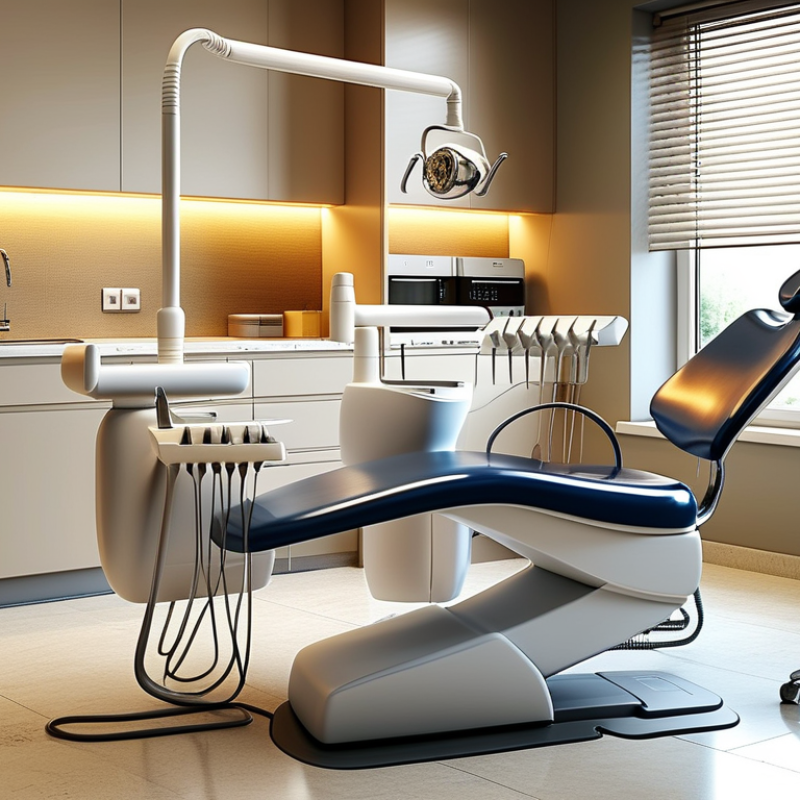
Key Factors in Choosing Dental Chair Lighting for Optimal Visibility
When selecting dental chair lighting, visibility is paramount. Bright, focused light improves patient safety and enhances the precision of procedures. Industry studies indicate that adequate lighting can reduce eye strain for dental professionals by up to 30%. This can significantly impact a dentist's performance during intricate procedures.
Color temperature is another crucial factor. Ideal lights should have a color rendering index (CRI) of 90 or above. This ensures true-to-life color representation of tissues. Dental professionals often find that lights with a higher CRI allow for better diagnostics and fewer errors. Additionally, adjustable brightness settings help tailor the light intensity to different procedures.
Consideration of lighting placement is essential too. Properly positioned lights can minimize shadows, enhancing visibility in critical areas. However, many practices overlook this aspect, leading to inefficient lighting setups. Taking time to assess the workspace carefully can aid in achieving optimal lighting arrangements. Engaging with the dental community or reading empirical studies can provide insights into best practices in lighting design.
Understanding the Importance of Color Temperature in Dental Chair Lights
Color temperature plays a crucial role in dental chair lights, impacting both the dentist's precision and patient comfort. Research indicates that optimal color temperatures for dental lighting fall between 4000K and 5000K, balancing warmth with clarity. This range helps in accurately assessing tooth shades and identifying oral conditions, which directly influences treatment outcomes. A mismatch in color temperature can lead to an inaccurate diagnosis or uncomfortable patient experiences.
Different procedures require varying color temperatures. For instance, restorative work may benefit from cooler lights that enhance visibility. Conversely, warmer lighting can create a more relaxed atmosphere during routine exams. A study from the American Dental Association suggests that improper lighting can cause eye strain and fatigue, affecting a dentist's performance. Implementing lights with adjustable color temperatures can address these issues, offering flexibility based on specific needs.
Furthermore, the color rendering index (CRI) is essential when evaluating dental chair lights. A higher CRI, above 90, ensures that colors appear more naturally. This is vital for procedures like cosmetic dentistry, where color matching is critical. Dental professionals must consider that patient satisfaction is heavily influenced by their comfort and the accuracy of assessments made under various lighting conditions. Investing in high-quality lighting systems can enhance clinical efficiency while improving overall experience.
Features of Adjustable Brightness for Enhanced Treatment Precision
Dental treatment accuracy heavily relies on proper lighting. One significant feature of dental chair lights is adjustable brightness. This feature allows practitioners to customize lighting levels based on specific treatment needs. According to a report by the Journal of Dental Research, optimal lighting can enhance precision by up to 30%. This level of control helps in identifying subtle details that could be overlooked in dim environments.
Enhancing treatment precision requires a keen eye. Adjustable brightness gives dentists the ability to increase light intensity during intricate procedures. This is especially crucial during restorations or endodontic work, where visibility dramatically affects outcomes. A careful balance is key. Too much brightness can cause glare, which may lead to discomfort for both the dentist and the patient.
Tips for choosing a dental chair light: always consider the adjustability of brightness. Look for lights with a range of settings to suit various treatments. Implementing a two-way dimming switch could also be beneficial. Experiment with different settings during practice sessions to find the optimal level for your work. Testing different settings can help you and your patients find comfort in the treatment environment.
Top Dental Chair Light Features You Should Know About
| Feature | Description | Benefits |
| Adjustable Brightness | Allows the dentist to modify light intensity based on treatment needs. | Enhances visibility and detail during procedures, reducing eye strain. |
| Color Temperature Control | Adjustable color temperature to ensure optimal light quality for various treatments. | Improves color accuracy, aiding in better diagnosis and treatment precision. |
| Positioning Flexibility | Ability to reposition the light source easily during procedures. | Increases comfort for both patient and dentist, ensuring focused illumination. |
| Energy Efficiency | Utilizes LED technology to minimize energy consumption. | Reduces operational costs and increases the lifespan of the equipment. |
| Focusable Beam | Ability to focus the light beam for targeted treatment areas. | Ensures precision in dental work and enhances patient comfort. |
Impact of Shadow Control on Patient Comfort and Procedure Accuracy
Dental chair lights play a crucial role in the comfort of patients and the accuracy of procedures. Shadow control is a significant feature affecting both these aspects. Proper lighting minimizes shadows on the treatment area, allowing for clearer visibility. When shadows obscure the view, it can lead to discomfort for the patient and potential errors during treatment.
When selecting a dental chair light, consider how it interacts with various angles and positions. This adaptability is essential for achieving optimal lighting during procedures. Dentists should regularly assess the lighting conditions. Are they adequate? Is there a recurring shadow that could hinder their work? Continuous evaluation can improve patient experiences and procedural outcomes.
Tips: Ensure the light is adjustable for different treatment areas. Regularly maintain the light to prevent flickering. Encourage feedback from patients about their comfort levels during procedures. This information can guide adjustments and improvements.
Integration of LED Technology in Modern Dental Chair Lighting Solutions
The integration of LED technology in dental chair lighting has revolutionized the dental industry. LED lights offer significant advantages over traditional halogen bulbs. They provide a more consistent, shadow-free illumination, which is crucial for precision in dental procedures. Studies show that up to 70% of dental professionals prefer LED lights for better color rendering and visibility.
Moreover, the energy efficiency of LED lights cannot be overlooked. They consume about 80% less energy than halogen lights and have a longer lifespan, lasting over 25,000 hours. This reduction in energy use significantly lowers operational costs. Dental practices can save up to 50% on lighting costs annually, as reported by recent industry surveys.
However, while LED lighting is highly beneficial, it is essential to consider heat management. Overheating can lead to discomfort for both patients and dentists. Proper ventilation in the chair light design is crucial. Dental professionals have reported issues with glare and the need for adjustable settings to mitigate discomfort during procedures. These points highlight areas for reflection and improvement in modern dental chair lighting solutions.