Top LCD Display Trends for Global Buyers in 2026?
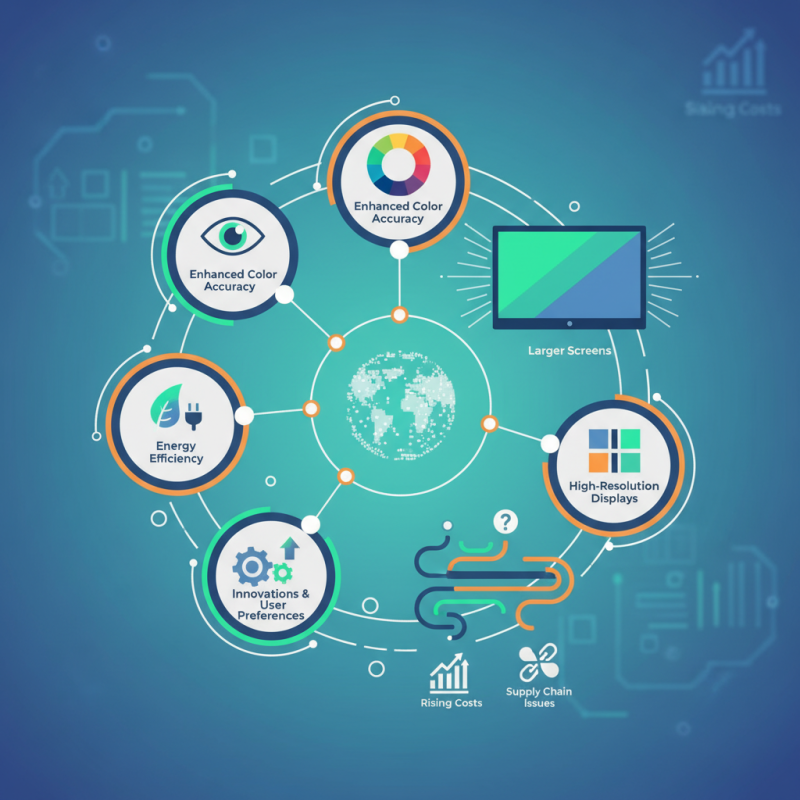
As we look towards 2026, the landscape of LCD Display technology is evolving rapidly. Buyers around the globe must stay informed about current trends. The demand for LCD Displays is driven by innovations and user preferences. Enhanced color accuracy and energy efficiency are key considerations.
Moreover, the shift towards larger screens and high-resolution displays is noteworthy. Today's consumers seek immersive experiences. Vendors need to adapt to these market dynamics. There are challenges, like rising costs and supply chain issues. Buyers should analyze these factors critically before making decisions.
In this ever-changing environment, understanding the nuances of LCD Displays is crucial. Whether in gaming, professional work, or daily use, these trends impact everyone. A well-informed choice can lead to greater satisfaction and productivity. However, buyers must also reflect on their needs. Overlooking specific features may result in regret.
Emerging Technologies Influencing LCD Displays in 2026
Emerging technologies are reshaping the landscape of LCD displays for 2026. As consumer demand rises, the focus on energy efficiency is more critical than ever. New manufacturing processes aim to reduce waste while optimizing performance. This shift could lead to greener production methods, promoting sustainability across the industry.
Advancements in resolution and color accuracy are also on the horizon. Techniques like quantum dot technology enhance brightness and color reproduction. These innovations allow for a more immersive viewing experience. However, challenges remain. Balancing enhanced features with cost and accessibility is vital. Not all consumers can afford the latest technology, creating a divide in the market.
Furthermore, artificial intelligence is influencing display technologies. AI can optimize image settings based on viewing conditions. However, over-reliance on automation could risk creativity. The human touch is essential in design and functionality. As the industry evolves, ensuring a blend of technology and artistry will be crucial for success.
Sustainability Initiatives in LCD Manufacturing and Design
The LCD display industry is witnessing a transformative shift towards sustainability. By 2026, manufacturers are focusing on eco-friendly materials, reducing carbon footprints, and promoting circular economies. A recent industry report indicates that over 30% of companies aim to transition to recycled plastics and glass in their display products. This shift not only benefits the environment but also meets growing consumer demand for sustainable practices.
Moreover, energy-efficient technologies are becoming a standard in LCD design. According to estimates, energy consumption for new LCD displays is expected to drop by 25% compared to previous generations. These advancements not only fulfill regulatory requirements but also appeal to eco-conscious buyers. However, challenges persist. Many manufacturers grapple with balancing cost and sustainability. The integration of new materials might increase initial production costs, creating tension between profit margins and environmental responsibility.
Innovative designs are emerging, focusing on recyclability and modular components. This approach enables easier repairs and upgrades. It presents an opportunity to extend product lifespan, reducing electronic waste. While this is a step forward, the industry must still address issues like supply chain transparency. The path to a fully sustainable LCD manufacturing process is complex, requiring collaboration and innovation at every level.
Market Demand Shifts: Consumer Preferences for LCD Products
As we look ahead to 2026, consumer preferences for LCD products are evolving significantly. Buyers are increasingly drawn to displays that offer enhanced clarity and vibrant colors. Rising competition among manufacturers drives innovation, leading to better affordability. The shift towards eco-friendly products is noticeable as consumers favor energy-efficient displays.
Tips: Prioritize durability when selecting LCD products. Long-lasting displays may offer better value over time.
Another emerging trend is the demand for interactive screens. More consumers are seeking displays that facilitate engagement and connectivity. This trend is prevalent in educational and corporate environments. Gamers are also pushing for faster response times and higher refresh rates. These preferences shape the industry landscape.
Tips: Research user reviews to gauge product performance. Real-world feedback often reveals insights that specs may not provide.
As preferences shift, manufacturers must adapt swiftly. Remaining attuned to market demands is crucial. The challenge lies in balancing innovation with affordability. Industry players need to reflect on their product offerings regularly. Being responsive to consumer feedback can guide meaningful improvements.
Integration of Smart Features in LCD Displays
In 2026, one of the most significant trends impacting LCD displays will be the integration of smart features. These functionalities enhance user experience by providing connectivity, interactivity, and real-time capabilities. According to a report by Grand View Research, the global smart display market is expected to grow at a CAGR of 20.4% from 2023 to 2030. This surge indicates a strong demand for advanced features in everyday displays.
Smart LCDs will likely incorporate AI and IoT connectivity. This allows devices to learn user preferences and automate settings. For example, smart displays can adjust brightness based on ambient lighting or suggest content based on viewing habits. These features enhance efficiency but also raise concerns about privacy and data security. With more devices connected, the risk of data breaches becomes a pressing issue. Users must consider whether the convenience outweighs the potential vulnerabilities.
Moreover, integration may come with its own challenges. Compatibility across platforms can be inconsistent. Not all devices will work seamlessly with smart features, leading to a fragmented user experience. Additionally, users may feel overwhelmed by the rapid pace of technological advancement. While there are many benefits of smart LCDs, these complexities require careful thought and consideration from both manufacturers and consumers.
Competitive Landscape: Key Players and Innovations in 2026
As we approach 2026, the LCD display market exhibits significant evolution. Industry reports indicate a surge in demand driven by advancements in display technologies. Innovative features such as ultra-high definition and improved energy efficiency are capturing global attention. The shift towards more environmentally friendly displays is evident, as consumers prioritize sustainability.
Key players are constantly adapting to new consumer preferences. Recent studies suggest a growing interest in flexible displays. This innovation provides users with versatility in product design and application. Notably, the integration of artificial intelligence into display technologies is revolutionizing user interactions. Reports estimate that AI-enhanced LCDs could boost market growth by over 25% in the coming years.
Tips for buyers: Evaluate products based on their energy consumption ratings. Look for displays that offer both performance and sustainability. Additionally, consider the upgrade potential of your chosen LCD technologies. Investing in a display with future-proof features can yield long-term benefits.
Top LCD Display Trends for Global Buyers in 2026
| Trend | Description | Key Innovations | Market Impact |
| Mini-LED Technology | Enhanced brightness and contrast for better image quality. | Improved local dimming capabilities. | Expected increase in premium display market share. |
| Eco-friendly Materials | Use of sustainable and recyclable materials in manufacturing. | Integration of biodegradable components. | Attraction of environmentally conscious consumers. |
| Ultra-Fast Response Times | Reduction in motion blur for high-speed content. | Advances in pixel technology. | Growth in gaming and sports broadcasting sectors. |
| Flexible Displays | Curved and bendable displays for versatile applications. | Development of OLED and AMOLED technologies. | Expansion in mobile and wearable devices market. |
| AI-Powered Display Calibration | Automated adjustments for optimal viewing experience. | Intelligent image processing algorithms. | Improvement in consumer satisfaction ratings. |