What is Livestock Stomach Tube for Cattle Usage Benefits?
In the world of cattle management, efficiency and health are crucial. The "Livestock Stomach Tube For Cattle" serves as an essential tool, especially for hydration and medication. Dr. Emily Hayes, a leading expert in veterinary science, emphasizes, "The right tools can significantly improve cattle health." Her insight highlights the importance of using appropriate equipment in livestock care.
This tube is designed to deliver fluids and nutrients directly into the stomach. For farmers, this means quicker recovery for sick animals. It reduces stress during treatments. However, improper use can lead to complications. Farmers must be trained to handle the equipment.
Choosing the right livestock stomach tube can be overwhelming. Different sizes and materials available may confuse users. Each type has its benefits, but not all are suitable for every situation. Continuous education in this area is vital to ensure best practices. This will strengthen cattle welfare and farm productivity.
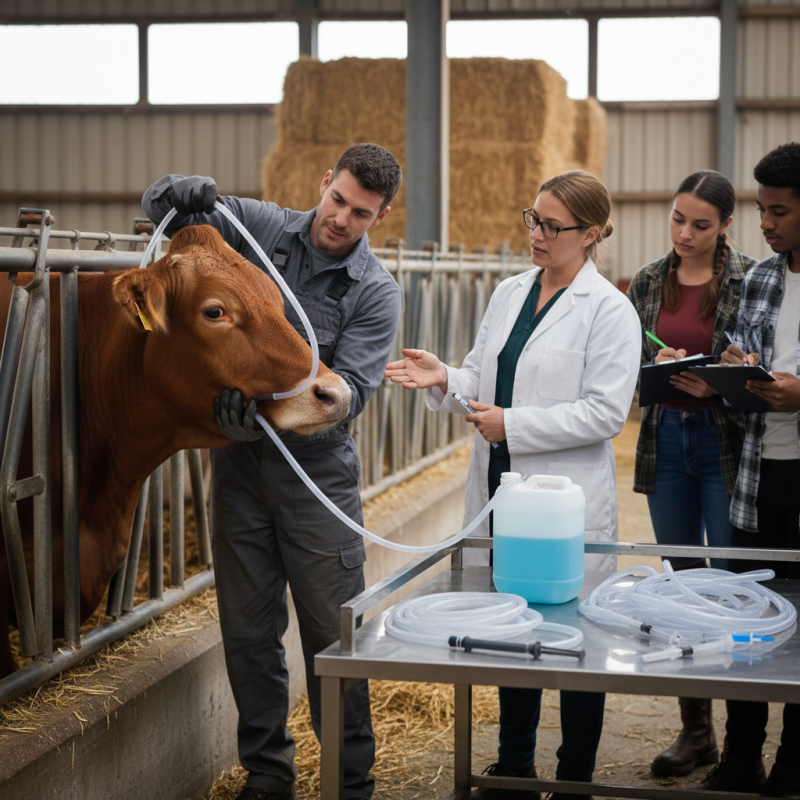
Understanding Livestock Stomach Tubes: Definition and Purpose
Livestock stomach tubes are essential tools for managing cattle health. These tubes are designed to deliver nutrients, medications, or fluids directly into the rumen. Their primary purpose is to improve the overall wellbeing of cattle, particularly during illness or stress. According to a 2022 report from the American Veterinary Medical Association, up to 30% of cattle may experience digestive issues that could benefit from the use of a stomach tube.
The process of using a stomach tube is straightforward but requires skill. Accuracy in placement is crucial to avoid damaging the animal's esophagus. A poorly positioned tube can lead to problems such as aspiration pneumonia. Additionally, farmers must be trained in this technique. Improper use can exacerbate health issues, underscoring the importance of following best practices.
While stomach tubes offer significant benefits, there are challenges. For instance, cattle may resist the procedure, making it difficult to administer. Farmers need to monitor the animals closely after use. Some reports highlight that about 15% of cattle may have adverse reactions to treatments delivered through stomach tubes. These factors call for continuous training and knowledge sharing among livestock professionals. Understanding both the advantages and the limitations of these tools will enhance livestock management strategies.
The Anatomy and Functionality of Cattle Stomach Tubes
Cattle stomach tubes play a critical role in veterinary care, particularly in ensuring the health and well-being of livestock. These tubes are specifically designed to safely introduce nutrients, medications, or fluids directly into a cow's rumen. Their anatomy is quite simple: they are typically made from flexible materials that allow for easy insertion while ensuring durability. This design minimizes discomfort for the animal, thus enhancing the user experience for farmers and veterinarians alike.
The functionality of cattle stomach tubes extends beyond simple feeding. According to a report by the American Association of Bovine Practitioners, using a stomach tube can increase nutrient absorption by up to 30%. This efficiency is significant in livestock management, especially during times of stress, illness, or post-surgery recovery. Additionally, these tubes facilitate the administration of electrolyte solutions, crucial for rehydration, which can prevent severe health issues like acidosis.
Despite their benefits, using stomach tubes is not without challenges. Improper use can lead to esophageal injuries or aspiration pneumonia. Training and expertise are vital for effective application. Farmers must be vigilant about cleanliness and the technique employed during use to mitigate risks involved. Continuous education on the latest veterinary practices is recommended for optimal outcomes in cattle care.
Key Benefits of Using Stomach Tubes for Cattle Health Management
Livestock stomach tubes are essential tools for managing cattle health. They facilitate the transfer of fluids, minerals, and medications. Proper usage can significantly improve the hydration levels in sick cattle. These tubes offer immediate relief in cases of ruminal atony, a condition where the rumen is not functioning properly.
One of the key benefits of using stomach tubes is their adaptability. Farmers can administer electrolytes or nutrition directly to cattle. This targeted approach often leads to faster recovery from illnesses. Additionally, it allows for the careful monitoring of fluid intake. Yet, improper use can lead to injuries, making training vital. Every operation should emphasize correct techniques and sanitation to prevent complications.
Regular usage of stomach tubes can improve overall herd health. Keeping cattle hydrated reduces stress and enhances weight gain. However, it’s crucial to remember the potential for mistakes. Misplacement of the tube can cause serious harm. Continuous education on best practices is important for livestock managers, ensuring the benefits are maximized while minimizing risks.
Best Practices for Stomach Tube Application in Cattle
Cattle can face various health issues, and the stomach tube is an effective tool for addressing many of them. Proper application ensures that interventions yield desired benefits. When using a stomach tube, ensuring a sterile environment and proper equipment is crucial. This minimizes infection risks and promotes quicker recovery.
Tips: Always check the tube for kinks or blockages before use. A clogged tube can lead to unnecessary stress for the animal.
Positioning is key during the application. Ensure the cattle is calm and standing, as a relaxed animal will help ease the process. You may consider using gentle restraint methods to keep the animal still. It’s essential to observe the animal's behavior throughout this process. Any signs of distress should prompt you to reassess your approach.
Tips: Keep your hands steady and minimize movement. A shaky hand can complicate the feeding process.
Hydration is vital when feeding via a stomach tube. Ensuring the tube is well-lubricated before insertion can make a significant difference. After use, always clean and store the equipment properly. This reduces contamination and prolongs the lifespan of the tube. Observing the animals post-application is equally important to ensure they are responding positively to the intervention.
Safety Considerations When Using Stomach Tubes on Livestock
Using a stomach tube on cattle can be beneficial for health monitoring and administering medication. However, safety considerations are crucial. The risk of injury is a major concern. Tubes that are not properly inserted can cause damage to the esophagus. Therefore, training is necessary for anyone performing this procedure.
Sanitation is another vital aspect when using stomach tubes. Contaminated tubes can harm livestock. It is essential to clean and sterilize equipment before use. This reduces the risk of infections. Additionally, observe the cattle closely during the process. Look for signs of distress or discomfort, which may indicate improper usage.
It’s important to recognize that not every situation is ideal. Sometimes, tubes can become stuck or kinked, complicating the process. In such cases, a careful and calm approach is necessary. Reflecting on these tools teaches us the importance of preparation and knowledge when handling livestock. Safety must always come first to ensure the welfare of the animals.
Benefits of Using Stomach Tubes for Cattle