What is Rigid Flex Rigid PCB and How is it Used in Electronics?
The rise of rigid flex rigid PCB technology is reshaping the electronics landscape. This innovation combines the flexibility of traditional flex circuits with the durability of rigid PCBs. According to industry reports, the global rigid flex PCB market was valued at approximately $1.2 billion in 2022 and is projected to grow significantly.
Compact electronic devices benefit greatly from rigid flex rigid PCB designs. They save space and reduce assembly time, making them essential in industries like aerospace and medical devices. However, the manufacturing process can be complex and costly. Many companies still encounter challenges in achieving the desired balance of flexibility and rigidity.
As demand for lighter and more efficient products increases, rigid flex rigid PCBs will play a crucial role. Yet, not all designs meet these standards seamlessly. Manufacturers must continuously evaluate their techniques and address scalability issues. The potential for growth is promising, but market players must remain vigilant to stay competitive.

What is Rigid Flex Rigid PCB?
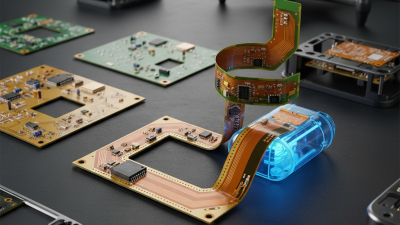
Rigid flex rigid PCBs combine the benefits of rigid and flexible PCBs. They consist of multiple layers of rigid base materials, often mixed with flexible substrates. This unique design allows them to bend and fit into compact spaces. As a result, they are increasingly used in various electronic applications, from smartphones to medical devices.
According to a recent market research report, the global rigid flex PCB market was valued at approximately $6 billion in 2022. It is projected to grow significantly in the coming years. This growth is driven by rising demand for miniaturization in consumer electronics. Manufacturers must balance durability with flexibility. The intricate design of rigid flex PCBs often leads to higher production costs. However, their space-saving advantages can justify these expenses.
The challenges in production are evident. Achieving high-quality connections between layers is complex. Additionally, design errors can occur during the manufacturing process. These factors highlight the need for careful planning. Engineers must ensure that each layout maximizes efficiency while minimizing potential failures. Despite their benefits, rigid flex PCBs require meticulous attention to detail. Mistakes can be costly and lead to performance issues.
Key Features of Rigid Flex Rigid PCBs
Rigid flex rigid PCBs are a unique combination of rigid and flexible circuit boards. They offer several key features that make them essential in various electronic applications. One significant characteristic is their space efficiency. These PCBs can fit into compact areas, ensuring that devices maintain a sleek design. Reports show that the market for flexible PCBs is expected to reach $30 billion by 2025, highlighting their growing importance.
Another vital feature is their durability. Rigid flex PCBs can withstand mechanical stress and bending, which is crucial for devices exposed to challenging environments. Their ability to perform reliably under harsh conditions is often tested, but some manufacturers still face challenges regarding adherence and material consistency. Developing a comprehensive quality control process is essential in overcoming these hurdles.
Tips: When designing with rigid flex PCBs, consider the orientation and layer stack-up carefully. Misalignment can lead to connectivity issues. Additionally, always validate your prototype under real-life scenarios. This approach helps identify potential problems in advance. Delaying this step may result in costly redesigns later on.
Applications of Rigid Flex Rigid PCBs in Electronics
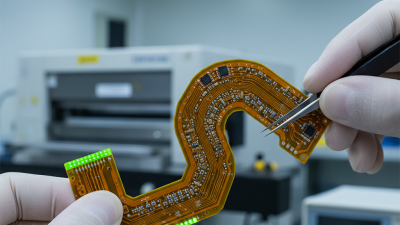
Rigid flex rigid PCBs are crucial in modern electronics. They combine the benefits of rigid and flexible circuits. This design enables compact and lightweight devices. These PCBs are often found in smartphones, tablets, and wearable technology. Their ability to bend makes them ideal for tight spaces.
In medical devices, rigid flex PCBs help save lives. Implantable devices require durability and flexibility. The compact design maximizes space efficiency. Aerospace applications also benefit greatly. The lightweight nature of these circuits improves performance. They withstand harsh conditions, ensuring reliability.
Tips: Focus on the design process. Consider using well-defined margins. Keep your layout optimized for both performance and manufacturability. Improper planning can lead to costly errors. Additionally, always conduct thorough testing. This ensures longevity and functionality in real-world applications. Balancing rigidity and flexibility is challenging but necessary for success.
Advantages of Using Rigid Flex Rigid PCBs
Rigid flex rigid PCBs are unique in their ability to combine flexibility with the stability of rigid boards. This design allows for complex shapes and configurations. One major advantage is their light weight. They reduce the overall weight of electronic devices. This is crucial in industries like aerospace and portable electronics.
Another benefit is the reduction in assembly time. Fewer components mean easier assembly processes. It can streamline production and lower costs. Rigid flex designs often lead to improved reliability. They can withstand bending and flexing without breaking. However, this doesn't mean they are immune to failure. Engineers must carefully design them to avoid stress points.
Space efficiency is another key feature. Rigid flex boards maximize the use of available space. This is vital in compact devices where every millimeter counts. However, this design often requires greater upfront planning and testing. Mistakes in layout can lead to significant issues down the line. Overall, while rigid flex PCBs have distinct advantages, their complexity demands thorough consideration and thoughtful design.
Manufacturing Process of Rigid Flex Rigid PCBs
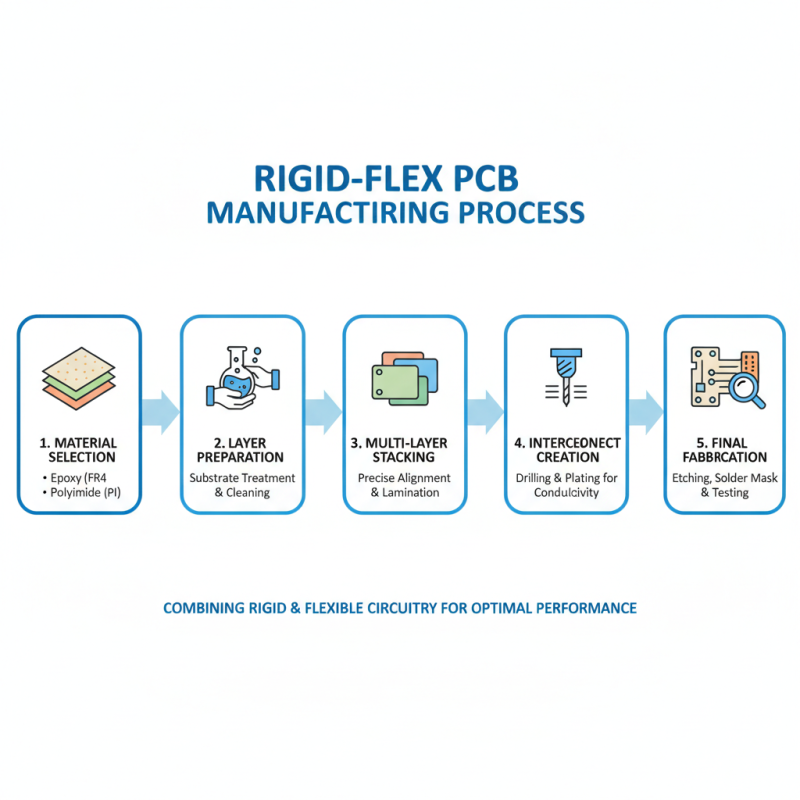
The manufacturing process of rigid flex rigid PCBs combines both rigid and flexible circuit technologies. Initially, a base material is chosen, such as epoxy or polyimide. These substrates are then layered and treated to create a stable circuit. Each layer is meticulously positioned to ensure optimal electrical connectivity.
After layering, the circuits undergo a drilling process. This can be quite tricky. Precision is key, as misalignment can render the PCB useless. Once holes are drilled, they are plated to facilitate electrical connections. This step can introduce some challenges. Sometimes, the plating may not fully adhere, leading to weak joints.
The next phase involves etching. Unwanted copper is removed, leaving behind the desired circuit design. This process demands careful monitoring. Variations in temperature or chemicals can affect outcomes. After etching, the flex areas are trimmed and the final assembly is completed. Testing for defects is crucial, but some may still go undetected. The intricacies of this process highlight both the innovation and the risks involved in creating reliable rigid flex rigid PCBs.