Essential Tips for Choosing the Right Frequency Converter?
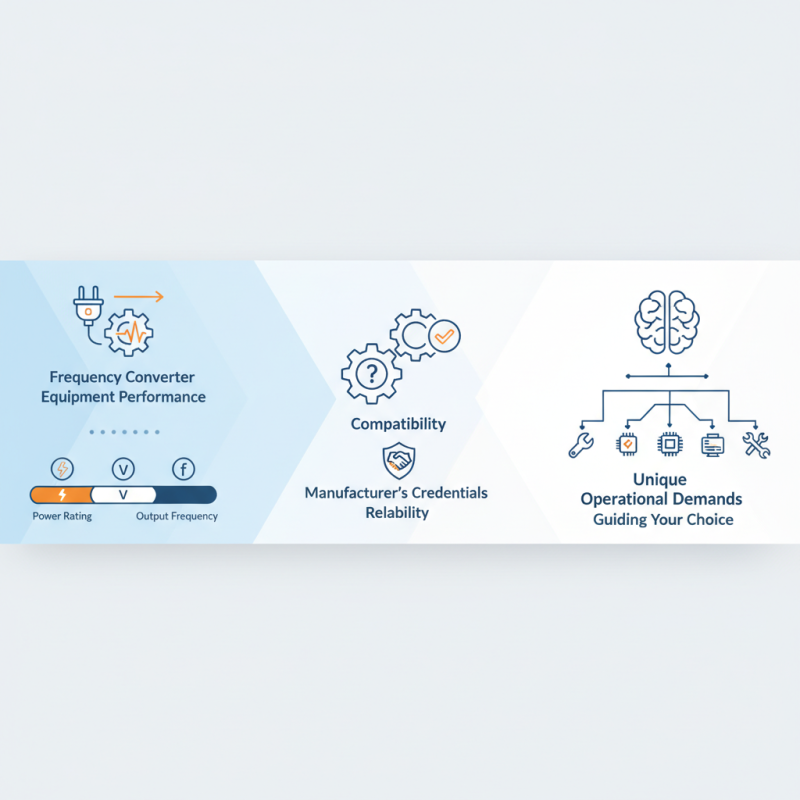
Choosing the right Frequency Converter can significantly impact your equipment's performance. A frequency converter adjusts the frequency of electrical power, ensuring that motors operate efficiently. However, the market offers many options. Understanding your specific needs is crucial.
When selecting a frequency converter, consider factors like power rating, input voltage, and output frequency. It's essential to assess how these elements align with your application requirements. Many overlook the compatibility of their existing equipment with the new converter. This can lead to operational inefficiencies.
Moreover, always check the manufacturer's credentials. A reputable brand often ensures reliability and better technical support. Not all frequency converters offer the same features, which can confuse buyers. Reflecting on your unique operational demands will guide your choice effectively.
Understanding the Basics of Frequency Converters
Understanding frequency converters is essential for various applications in today's industrial landscape. These devices convert electrical power from one frequency to another, largely affecting motor speeds and performance. They are critical in applications that require varying speeds, like pumps and fans. Knowing the fundamentals helps in selecting the right converter for your project.
When choosing a frequency converter, consider the input and output frequency requirements. The voltage specifications must also align with your equipment. It's crucial to understand these parameters to avoid failures or inefficiencies. Manufacturers sometimes provide confusing information. Be sure to validate the data through reliable sources to ensure accuracy.
Customization options often exist but can overwhelm users. Reflect on the specific needs of your application before diving into features. Specialty converters may offer advanced functions, but simpler models can suffice for basic operations. Balancing complexity and functionality is vital. Always be cautious and ensure your chosen device aligns with your goals to avoid costly mistakes.
Identifying Your Application Requirements
Choosing the right frequency converter hinges on understanding your application requirements. Identify the type of motor you plan to use. Different motors possess unique voltage and speed needs. For instance, a permanent magnet motor requires a distinct converter compared to an induction motor. Ensure that the converter supports the motor specifications for optimal performance.
It’s also crucial to consider the power range. What is the horsepower rating of your equipment? If your converter is under- or oversized, it may lead to inefficiencies. Take time to assess environmental factors too. The operating temperature and humidity can affect converter performance. A converter in a dusty or wet environment requires extra protection.
Reflecting on reliability is vital. Some converters may not withstand extreme conditions. Researching user experiences can help gauge reliability. Pay attention to heat dissipation and cooling options. Proper cooling can prolong the life of your equipment. Consider future scalability as well. Planning for potential expansions can save time and resources later.
Evaluating Different Types of Frequency Converters
When evaluating different types of frequency converters, it’s crucial to understand their operational specifics. There are primarily three types: static, dynamic, and matrix converters.
Static converters are popular in industrial applications. They offer efficiency and reliability. Dynamic converters are versatile, suitable for varying load conditions. Matrix converters provide excellent power quality, but they can be complex and expensive.
Consider your application requirements carefully. Static converters are easy to set up but might lack flexibility. Dynamic options adapt well to load changes. Still, their mechanical components may wear down faster. Ensure you assess the environment in which the converter operates. High temperatures or dust can impact performance and durability.
Testing different converters in real-life conditions is advisable. It helps reveal how each converter performs under load. Pay attention to noise levels, heat generation, and response times. These factors can affect your choice significantly. Remember, no single converter fits every scenario perfectly. You may need to rethink your priorities and expectations based on operational needs.
Key Features to Consider When Choosing a Frequency Converter
When choosing a frequency converter, several key features become crucial for ensuring optimal performance. One should consider the input and output voltage range. If the converter cannot match your equipment's requirements, it fails. Look for specifications that align with your existing setup.
The control mode is another significant factor. Some converters offer speed control, while others focus on torque regulation. Understanding your application will guide this choice. For instance, a pump application may prioritize torque, whereas fans usually benefit from speed control.
Additionally, the construction of the converter affects its reliability. Robust design helps in harsh environments. Pay attention to cooling methods and protection features. These details ensure longevity and consistent performance. An overlooked aspect may lead to operational failures. Consider conducting on-site tests before finalizing your selection. This practical approach reveals issues that theoretical specs might not address.
Tips for Ensuring Compatibility and Reliability
Choosing the right frequency converter is crucial for any electrical project. When it comes to compatibility, ensure the converter can handle your specific voltage and power requirements. Double-check the input and output specifications. Mismatched ratings can lead to serious malfunctions or equipment damage. Be aware of the potential for overheating if the converter is not suitable for your application.
Reliability is another key aspect. Look for devices that have undergone rigorous testing and meet industry standards. Consider the operating environment. Dust, humidity, and extreme temperatures can impact performance. A well-sealed converter might perform better in harsh conditions. However, not all models offer robust protection. Investigate user reviews or consult professionals who have experience with different options.
Personal experience matters here. Sometimes, products that seem reliable may not perform as expected. I’ve witnessed converters fail due to unforeseen factors like fluctuating loads. It’s wise to ask for recommendations from trusted sources. Keep learning from real-world applications and adapt your criteria as necessary. Frequent check-ups and assessments will help catch issues early.