Top 10 Things You Need to Know About PCB Circuit Boards
In the intricate world of electronics, understanding the fundamentals of PCB circuit boards is crucial for both enthusiasts and professionals alike. As renowned PCB engineer Dr. Emily Tran points out, "The reliability and functionality of any electronic device hinges on the quality and design of its PCB circuit board." Her insight underscores the importance of grasping the essential aspects of PCB technology, which serves as the backbone of countless devices we use daily.
PCB circuit boards are central to modern electronics, facilitating the connections between various components and ensuring efficient performance. With a myriad of factors influencing their design, including material selection, layer stacking, and signal integrity, mastering PCB circuit boards is both an art and a science. This article aims to arm readers with the top ten critical insights into PCB technology, providing a solid foundation for anyone looking to deepen their understanding or enhance their skills in this vital field. From basic terminology to advanced concepts, these insights will illuminate the path to mastering the intricate world of PCB circuit boards.
Understanding PCB Circuit Boards: A Comprehensive Overview
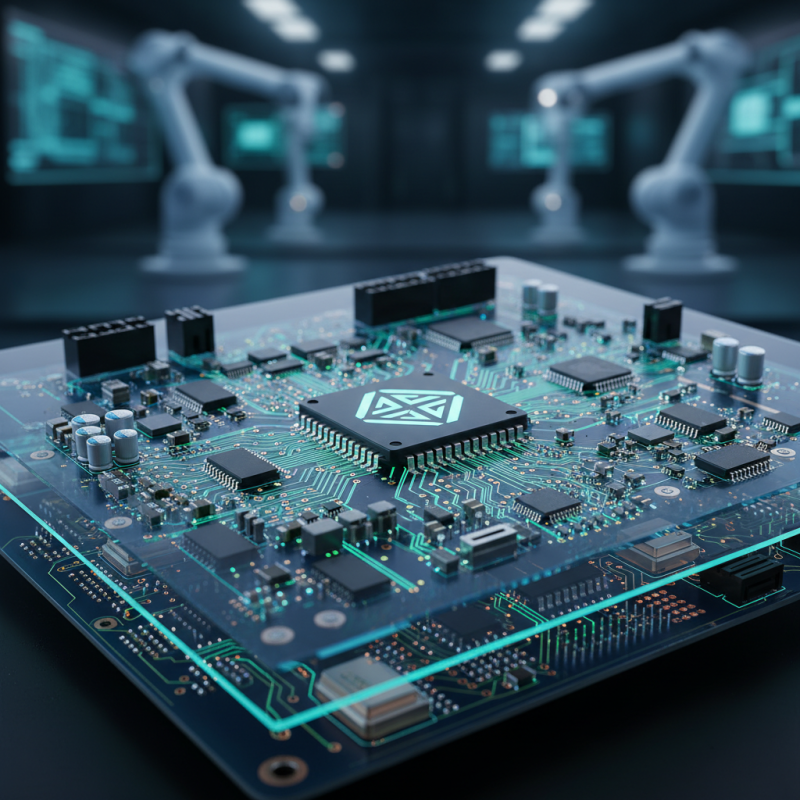
Printed Circuit Boards (PCBs) are fundamental components in the world of electronics, serving as the backbone for various devices. Understanding PCB circuit boards begins with recognizing their structure. A typical PCB consists of a non-conductive substrate material, usually fiberglass, coated with a layer of conductive copper. This combination allows for the effective routing of electrical signals through intricate pathways etched onto the board. According to research by the IPC (Institute for Printed Circuits), the global PCB market was valued at approximately $63 billion in 2020 and is expected to grow at a compound annual growth rate (CAGR) of around 3.5% over the next several years, driven largely by the increasing demand in consumer electronics and the automotive sector.
Moreover, the design and manufacturing processes of PCBs are critical to achieving optimal performance. Factors such as layer count, trace width, and spacing can significantly impact the electrical performance and reliability of the boards. A report from Research and Markets notes that advancements in manufacturing techniques, including the development of high-density interconnect (HDI) technology, enhance the capabilities of PCBs, allowing for more compact designs without compromising on performance. This is particularly vital as devices become smaller and more powerful, hence the significance of PCBs continues to escalate in various applications, from wearable technology to aerospace systems. Understanding these aspects is essential for professionals looking to innovate in PCB design and development.
Essential Components of PCB Circuit Boards Explained
PCB circuit boards are fundamental components in modern electronics, serving as the backbone for a wide range of devices. The essential parts of a PCB include the substrate, conductive pathways, and solder mask. The substrate, usually made of fiberglass or epoxy resin, provides the structure that supports the electrical components. This rigid framework is crucial for maintaining the integrity of the board under various operating conditions.
Conductive pathways, typically composed of copper, allow electrical signals to travel between different components such as resistors, capacitors, and integrated circuits. These pathways are meticulously designed to ensure efficient signal flow while minimizing interference. The solder mask, usually a green coating over the copper traces, protects the conductive pathways from oxidation and accidental short-circuits, ensuring reliable performance. Understanding these fundamental components of PCB circuit boards is essential for anyone involved in electronics design or manufacturing, as it lays the groundwork for creating efficient and functional electronic devices.
The Manufacturing Process of PCB Circuit Boards
The manufacturing process of PCB circuit boards involves several critical steps that ensure the final product meets the required specifications. Initially, the process begins with design schematics, where electronic engineers create layouts using specialized software. These designs dictate the pathways for electrical connections and are fundamental to the PCB’s functionality. Following this, the design files are transformed into production files known as Gerber files, which provide the necessary information for the fabrication of the circuit board.
Once the design is finalized, the actual manufacturing starts with the selection of a substrate material, typically FR-4, which is a composite of woven glass fabric and epoxy resin. The substrate is coated with a thin layer of copper, and through a process called photoengraving, the unwanted copper is etched away, leaving only the desired conductive pathways. This is followed by the application of solder mask, which helps to protect the copper traces from oxidation and damage. Finally, components are mounted onto the board through surface-mount technology or through-hole technology, and the board undergoes testing to ensure its reliability and performance before being shipped for use in various electronic devices.
Top 10 Things You Need to Know About PCB Circuit Boards - The Manufacturing Process of PCB Circuit Boards
| Aspect |
Description |
| Material |
Typically made from fiberglass, copper, and epoxy resin. |
| Layers |
Available in single-sided, double-sided, and multi-layer configurations. |
| Design Software |
Common tools include Eagle, Altium Designer, and KiCad. |
| Fabrication Process |
Involves etching, drilling, plating, and surface finishing. |
| Testing Methods |
Includes visual inspection, electrical testing, and X-ray inspection. |
| Applications |
Used in electronics, automotive, aerospace, and medical devices. |
| Lead-Free Solder |
Many manufacturers now use lead-free solder due to regulations. |
| Surface Mount Technology (SMT) |
A method that allows components to be mounted directly onto the surface of PCBs. |
| Cost Factors |
Cost can be influenced by design complexity, materials, and volume. |
| Future Trends |
Increasing demand for flexible PCBs and smart manufacturing processes. |
Common Applications of PCB Circuit Boards in Electronics
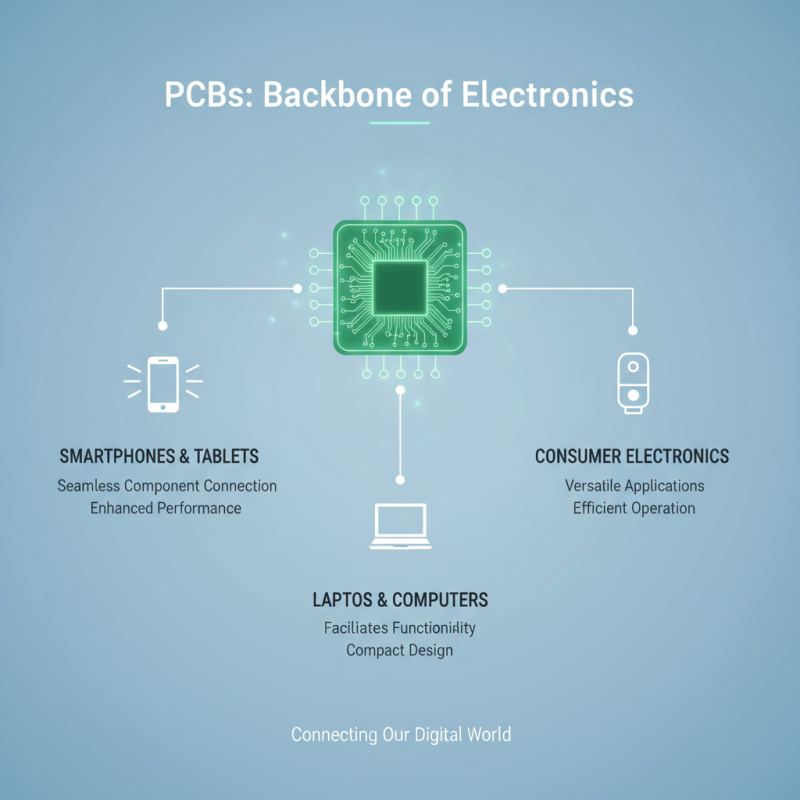
PCB circuit boards, or printed circuit boards, are an essential component in the world of electronics, serving various applications due to their versatility and efficiency. One of the most common uses of PCBs is in consumer electronics, where they act as the backbone for devices such as smartphones, tablets, and laptops. The intricate pathways etched onto the boards allow for the seamless connection of various electronic components, facilitating functionality and improving performance for everyday gadgets.
Another significant application of PCB circuit boards is in the automotive industry. Modern vehicles rely heavily on electronic systems for engine management, navigation, and advanced safety features. PCBs are utilized in these systems to ensure reliable operation and communication between different modules, which is crucial for enhancing vehicle safety and performance. Additionally, PCBs play a vital role in medical devices, where precision and reliability are paramount. From diagnostic equipment to life-support systems, the role of PCBs in maintaining functionality and safety in the medical field cannot be overstated, highlighting their invaluable contribution to the advancement of technology in various sectors.
Key Factors Affecting PCB Circuit Board Performance
When it comes to the performance of PCB circuit boards, several key factors come into play that significantly influence their efficacy and reliability. One prime factor is the choice of materials. High-quality substrate materials such as FR-4 can enhance thermal conductivity and electrical insulation, critical for preventing overheating and signal loss. A study conducted by IPC suggests that using these advanced materials can lead to a 30% improvement in signal integrity compared to lower quality alternatives.
Additionally, the design specifications, including trace width and spacing, are crucial for performance. Narrower traces can carry higher currents but may increase the risk of overheating if not designed properly. According to a report by the International Journal of Electronics, optimizing trace width can improve current capacity by up to 40%. Furthermore, environmental factors such as temperature fluctuations and humidity can affect the lifespan and functionality of the circuits. Implementing features such as conformal coatings can protect PCBs from moisture, thus extending their operational life by as much as 25%, as indicated by recent industry insights. Hence, understanding these factors is vital for engineers looking to enhance the performance of PCB circuit boards.
Top 10 Factors Affecting PCB Circuit Board Performance