Top 10 Calorie Energy Drinks from China for Global Buyers?
In the bustling world of Calorie Energy Drinks, Chinese brands are emerging as irresistible contenders on the global market. Renowned industry expert, Dr. Sarah Lin, emphasizes, "The innovation in energy drinks from China is reshaping consumer choices worldwide." Her insights reflect the rapid growth of this sector and its potential to captivate global buyers.
The uniqueness of these drinks lies not only in their flavors but also in their nutritional profiles. Chinese manufacturers often emphasize natural ingredients, catering to health-conscious consumers. Brands like Red Bull’s counterpart, "Tianfu Energy," deliver a sweet, potent punch without excessive sugars. The blend of traditional herbal elements with modern formulations sets these drinks apart.
However, with a plethora of choices comes a caveat. Not all Calorie Energy Drinks prioritize safety and quality. Some brands may falter in transparency about their ingredients. Buyers should seek out products with clear labeling and reputable production standards. This level of scrutiny is essential for making informed decisions in a market filled with diverse options.
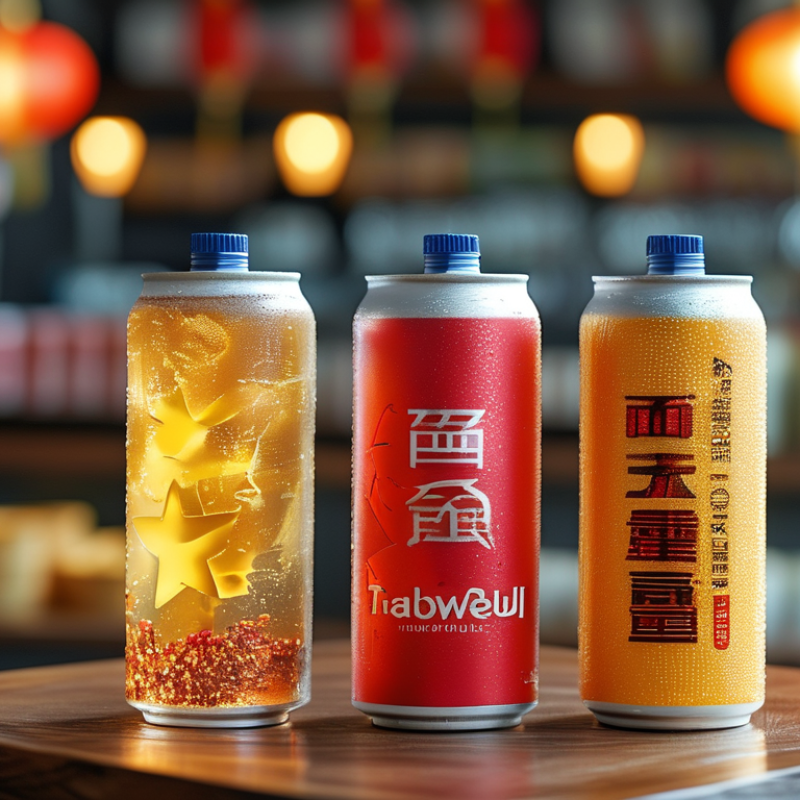
Overview of Calorie Energy Drinks in China
Calorie energy drinks have gained significant popularity in China. The market has expanded rapidly over the last few years. According to recent data from the China Beverage Industry Association, the sales volume of energy drinks reached over 30 billion yuan in 2022. This represents a 15% increase compared to the previous year. The growth is fueled by rising consumer demand for products that offer quick energy boosts.
Consumers are becoming more conscious about their choices. They seek drinks with functional ingredients that also focus on health benefits. Reports indicate that natural ingredients are preferred by 65% of consumers. This shift suggests a growing trend towards healthier formulations. However, the reliance on caffeine and sugar in many drinks raises concerns. Excessive consumption can lead to negative health impacts, despite the promise of increased energy.
Brands face the challenge of balancing energy-boosting properties and health consciousness. Many companies are investing in research and development. They aim to innovate flavors and reduce sugar content while keeping energy levels high. This quest for improvement is vital for staying relevant in a competitive market. The evolving landscape of consumer preferences suggests that energy drink manufacturers need to stay agile and adapt to changing demands.
Key Ingredients in Chinese Energy Drinks
When exploring the landscape of Chinese energy drinks, understanding key ingredients is crucial. These beverages often contain caffeine, taurine, and ginseng. Caffeine stimulates the central nervous system, enhancing focus and energy levels. Taurine is an amino acid, promoting hydration and recovery. Ginseng, a traditional herbal ingredient, is believed to increase endurance.
In addition to these core ingredients, many energy drinks in China incorporate B vitamins. These vitamins aid in energy metabolism, potentially reducing fatigue. Some drinks also feature natural extracts, like green tea, known for its antioxidant properties. These additions can elevate the drink’s profile and appeal to health-conscious consumers.
Tip: Always check labels to make informed choices. Not all energy drinks are created equal. Pay attention to sugar content and other additives. Moderation is essential to avoid negative health effects. Experiment with different options to find what best supports your energy needs without overwhelming your system.
Top 10 Popular Calorie Energy Drinks in China
In recent years, energy drinks have surged in popularity across China. Many consumers are eager for options that provide both taste and energy. These beverages typically contain a mix of caffeine, sugar, and vitamins. They target students, athletes, and professionals who need a quick boost during hectic days.
One prominent trend in the energy drink market is the emphasis on ingredients. Many options now highlight natural extracts and additives. This shift reflects a growing awareness of health among consumers. However, there are still concerns about sugar content and potential health effects. Users must navigate this landscape carefully.
Another notable aspect is the variety. From fruity flavors to herbal blends, the choices can be overwhelming. This diversity caters to different preferences, but it can also lead to confusion. Buyers often lack clear information on what suits their needs. As the market evolves, ongoing research and transparent labeling are crucial.
Nutritional Comparison with Global Energy Drinks
Energy drinks have gained immense popularity worldwide. In China, the market is booming with various options that cater to different needs. These drinks often promise quick energy boosts but vary greatly in nutritional content from their global counterparts. Understanding this difference is essential for consumers.
Many Chinese energy drinks are lower in sugar compared to Western brands. They offer alternative sweeteners or natural ingredients. This shift appeals to health-conscious buyers. Yet, some may contain high caffeine levels. Not all consumers are aware of these differences. More education is needed to guide choices wisely.
A deeper look reveals that some Chinese drinks provide added vitamins and herbal extracts. These ingredients can enhance energy levels sustainably. However, not all brands maintain high standards. A few lack comprehensive nutritional information. Consumers are encouraged to read labels carefully and do their research before purchasing. This ensures a well-informed decision.
Top 10 Calorie Energy Drinks from China for Global Buyers
| Drink Name | Calories (per 100ml) | Sugar (g) | Caffeine (mg) | Additional Ingredients |
| Energy Drink A | 50 | 12 | 30 | B Vitamins |
| Energy Drink B | 60 | 14 | 32 | Ginseng |
| Energy Drink C | 55 | 10 | 28 | Taurine |
| Energy Drink D | 70 | 16 | 35 | Guarana |
| Energy Drink E | 65 | 15 | 33 | Electrolytes |
| Energy Drink F | 58 | 11 | 29 | L-Carnitine |
| Energy Drink G | 62 | 13 | 30 | Green Tea Extract |
| Energy Drink H | 67 | 17 | 36 | Rhodiola |
| Energy Drink I | 53 | 9 | 26 | Peppermint |
| Energy Drink J | 66 | 15 | 37 | Coconut Water |
Market Trends and Future of Energy Drinks in China
The energy drink market in China is experiencing rapid growth. Consumer demand for functional beverages is driving this trend. Younger generations are leading the charge, seeking energy boosts and improved performance. As they prioritize convenience and taste, brands must adapt quickly to meet these expectations.
Recent studies highlight a noticeable shift towards healthier alternatives. While traditional energy drinks are popular, many consumers are wary of excessive sugar and artificial ingredients. This has sparked interest in low-calorie options that still provide an energy boost. Brands are experimenting with natural flavors and herbal ingredients to address these concerns. However, the ongoing challenge is balancing taste and health benefits.
Despite these advancements, some areas need improvement. Many products still rely too heavily on caffeine. This can lead to overconsumption and potential health risks. Brands need to educate consumers about responsible consumption. There's a growing need for transparency in ingredient sourcing. As the market evolves, companies must prioritize both innovation and consumer safety.
Top 10 Calorie Energy Drinks from China