Top 10 China Electronic PCB Assembly Suppliers for Global Buyers?
In the fast-evolving electronics industry, electronic PCB assembly plays a vital role. Companies worldwide depend on reliable suppliers to meet their needs. China has emerged as a key player in this market.
The landscape is diverse, filled with numerous suppliers offering various capabilities. While many manufacturers claim expertise, the quality can be inconsistent. Buyers must scrutinize potential partners carefully. Some offer cutting-edge technology, while others may lag behind.
Even top suppliers face challenges. Production delays and quality control issues can arise. It’s essential to evaluate these factors thoroughly. The right supplier can enhance efficiency and reduce costs. Making an informed choice can lead to success in electronics manufacturing.
Overview of PCB Assembly Industry in China
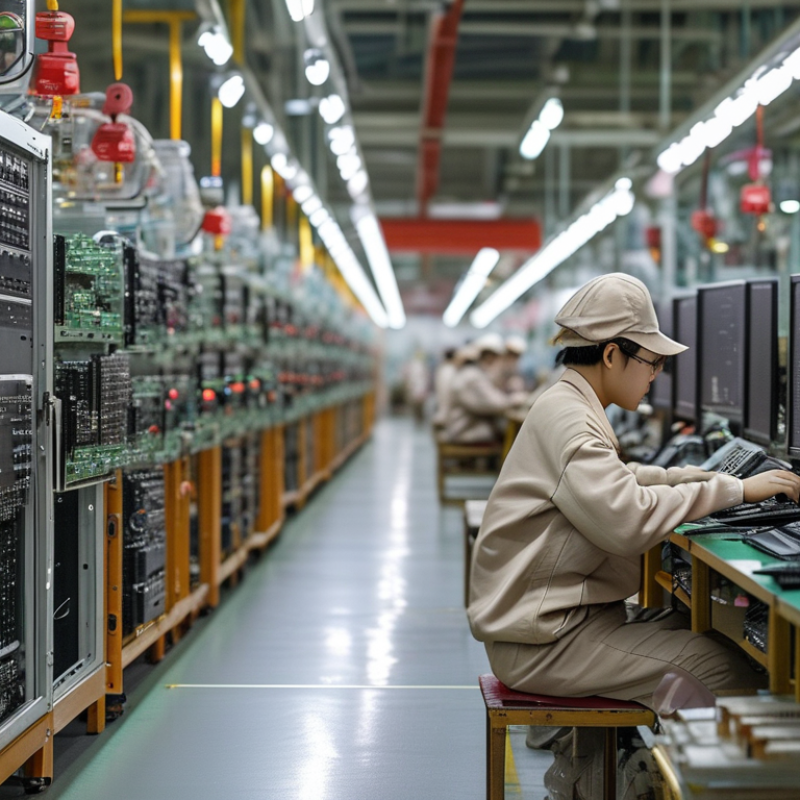
The PCB assembly industry in China has seen rapid growth over recent years. This is largely due to increasing global demand for electronic devices. Manufacturers in China are known for their efficiency and cost-effectiveness in producing printed circuit boards. However, this industry faces challenges, including quality control and complex supply chains.
Quality can vary significantly among suppliers. Some firms excel in producing high-quality PCBs, while others may struggle. This inconsistency can impact global buyers, who require reliable partners. Buyers should conduct thorough assessments of potential suppliers. Certifications and past project successes can provide valuable insights into a supplier's capabilities.
Moreover, the industry is adapting to technological changes. Innovations such as automation and advanced materials are becoming commonplace. However, not all suppliers are quick to adopt these technologies. This slow pace can hinder competitiveness. It’s essential for buyers to consider a supplier’s willingness to invest in new technologies. Insightful partnerships can lead to growth for both suppliers and their clients in an ever-evolving market.
Criteria for Selecting Top PCB Assembly Suppliers
When selecting a PCB assembly supplier, experts recommend considering several key criteria. Quality assurance is paramount. A reliable supplier should follow industry standards such as IPC-A-610 for assembly quality. This ensures that products meet strict manufacturing requirements. According to a report by Research and Markets, the global PCB assembly market is projected to reach $73 billion by 2025. This growth highlights the importance of choosing a supplier that prioritizes quality.
Another critical factor is the supplier’s technical expertise. A company with advanced technological capabilities can provide innovative solutions and efficiency. Data shows that 75% of companies experience delays due to inadequate technical knowledge. This statistic underscores the need for suppliers who are not just manufacturers but also technical partners. Furthermore, consider a supplier’s ability to scale production. As demand fluctuates, a flexible partner can adapt quickly.
Moreover, assess the supplier’s sustainability practices. Environmental regulations are increasingly important. A supplier committed to eco-friendly processes is not only compliant but also aligned with consumer values. Reports suggest that businesses focusing on sustainability see a potential 10% increase in customer loyalty. Therefore, selecting an assembly partner warrants thorough research and careful consideration, ensuring long-term success and innovation in product development.
Top 10 China Electronic PCB Assembly Suppliers - Performance Metrics
List of Leading Electronic PCB Assembly Suppliers in China
China has established itself as a global hub for electronic PCB assembly. According to industry reports, the Chinese PCB market was valued at approximately $40 billion in 2022 and is expected to grow at a CAGR of over 5% through 2027. This growth is driven by advancements in electronics and increasing demand for consumer electronics worldwide.
Leading suppliers in China focus on producing high-quality PCBs for various applications. Data shows that sectors like automotive and telecommunications significantly contribute to PCB demand. However, challenges such as supply chain disruptions and fluctuating raw material prices can impact these suppliers' reliability. A recent survey highlighted that about 30% of buyers reported issues with quality and lead time, emphasizing the need for prudent supplier selection.
Many Chinese suppliers invest in state-of-the-art manufacturing facilities and automation technology. These investments help improve production efficiency. But not all suppliers achieve consistent quality. Some companies struggle with maintaining standards due to rapid scaling and labor challenges. Buyers must conduct thorough evaluations to ensure they partner with reliable suppliers who adhere to industry best practices.
Top 10 China Electronic PCB Assembly Suppliers for Global Buyers
| Supplier |
Location |
Annual Revenue (Approx.) |
Employee Count |
Top Industries Served |
Certification |
| Supplier A |
Shenzhen |
$50M |
300 |
Telecom, Consumer Electronics |
ISO 9001, TS 16949 |
| Supplier B |
Dongguan |
$70M |
500 |
Automotive, Industrial |
ISO 13485 |
| Supplier C |
Guangzhou |
$40M |
200 |
Medical, Aerospace |
ISO 9001 |
| Supplier D |
Shanghai |
$80M |
600 |
Consumer Electronics, Networking |
IATF 16949 |
| Supplier E |
Hangzhou |
$30M |
150 |
Smart Home, IoT Devices |
ISO 9001, CE |
| Supplier F |
Nanjing |
$60M |
400 |
Telecom, Military |
AS9100 |
| Supplier G |
Xiamen |
$20M |
100 |
Consumer Electronics, Gaming |
ISO 9001 |
| Supplier H |
Shijiazhuang |
$45M |
250 |
Industrial, Robotics |
ISO 14001 |
| Supplier I |
Wuhan |
$55M |
350 |
Consumer Electronics, Healthcare |
ISO 13485 |
| Supplier J |
Tianjin |
$75M |
500 |
Telecommunications, IT |
ISO 9001, CE |
Comparison of Services Offered by Each Supplier
When assessing PCB assembly suppliers in China, the range of services offered is crucial for global buyers. Many companies provide complete solutions from design to manufacturing. Some specialize in high-volume production, while others excel in rapid prototyping. A few suppliers stand out in flexibility, accommodating varying order sizes. This aspect is vital for startups and small businesses that often have unique needs.
Quality control is another important service. Some suppliers implement stringent testing processes to ensure reliability. Certifications can indicate their commitment to quality. Buyers should carefully examine the certification levels of their shortlisted suppliers. Some companies may claim high standards but fail on consistency. Communication is also a key factor; responsiveness can greatly affect project timelines.
Pricing structures vary widely among these suppliers. Some adopt transparent pricing, while others may include hidden fees. It is wise for buyers to seek detailed quotes and ask specific questions about costs. Evaluating post-sale support is equally essential. A supplier with strong after-sales support can help resolve issues swiftly, ensuring smoother operations and better long-term partnerships.
Trends and Future Outlook for PCB Assembly in China
The PCB assembly industry in China is witnessing significant growth. According to a recent market report, the global PCB assembly market is expected to reach $80 billion by 2027, driven by advancements in electronics. As global demand rises, China remains a manufacturing powerhouse, offering competitive pricing and advanced technology.
Trends indicate a shift towards automation and smart manufacturing in PCB assembly. Industry experts estimate that adopting automated assembly processes can improve efficiency by up to 30%. This shift helps reduce labor costs and minimizes errors. Sustainability also drives change, with manufacturers prioritizing eco-friendly materials and processes. The integration of AI in PCB design and assembly is emerging, improving production speed and customization.
Investors should consider the evolving landscape carefully. It is crucial to keep track of regulatory changes affecting manufacturing processes. Companies must remain adaptable to maintain competitiveness. Leveraging data analytics for market insights can provide a competitive edge. As industry complexities grow, partnering with knowledgeable suppliers may also enhance supply chain efficiency and reliability. Prioritizing continuous improvement will help navigate potential challenges in the PCB assembly market.