2026 Top Circuit Board Trends You Need to Know?
In the rapidly evolving world of technology, the circuit board industry is witnessing significant trends that will shape its future. According to a report by Research and Markets, the global circuit board market is projected to reach $90 billion by 2026, fueled by advancements in electronics and demand for smart devices. Experts emphasize the importance of staying updated with these trends to maintain competitiveness.
Dr. Emily Carter, a leading authority in circuit board technology, notes, “Innovation in circuit boards is critical. It drives efficiency and functionality in all electronic devices.” As manufacturers seek to enhance performance, a focus on miniaturization and flexible designs is becoming prevalent. Sustainable practices, such as eco-friendly materials and recycling, are also gaining traction.
However, challenges remain. The industry faces supply chain disruptions and increasing costs. Additionally, many manufacturers must adapt to new technologies quickly. Continued investment in research and development is necessary. Understanding these dynamics will help stakeholders navigate the complexities of the circuit board landscape effectively.

Emerging Technologies Influencing Circuit Board Design in 2026
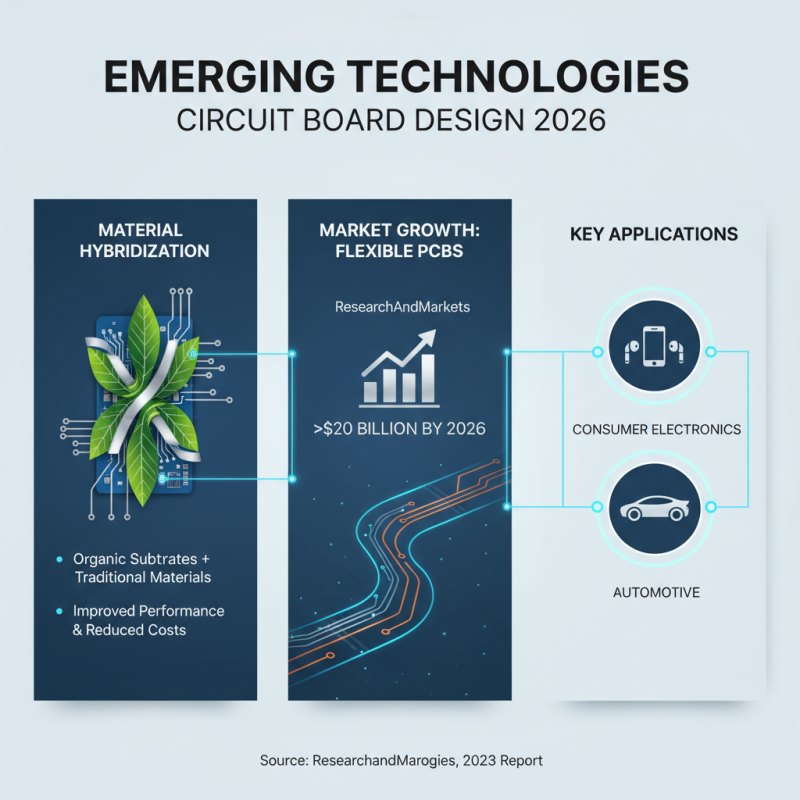
In 2026, circuit board design will be significantly shaped by emerging technologies. Hybridization of materials, such as the integration of organic substrates and traditional materials, is set to improve performance and reduce costs. A recent report from ResearchAndMarkets predicts that the global flexible printed circuit board market will exceed $20 billion by 2026. This growth is driven by advancements in consumer electronics and automotive applications.
Design automation tools will also play a crucial role. Enhanced software capabilities allow designers to simulate and optimize designs quickly. According to a study by IPC, companies adopting design automation report up to 30% faster time-to-market. This technology reduces errors and streamlines workflows, making it increasingly important for businesses.
Tip: Stay informed about software updates. Regularly enhance your skills to keep up with design trends. Networking with professionals in the field can provide insights into best practices.
Another emerging area is the rise of smart circuit boards. These boards incorporate sensors and IoT connectivity, expanding functionality. The International Electronics Manufacturing Initiative states that smart boards are projected to grow at a CAGR of 12% through 2026. Yet, integrating smart features can complicate design processes, requiring a more in-depth understanding of electronic systems.
Tip: Embrace iterative design testing. Allow for adjustments to refine features and functionalities. Engaging in feedback loops can significantly enhance product quality.
Sustainable Materials and Their Impact on Circuit Board Manufacturing
In recent years, sustainable materials have gained significant attention in circuit board manufacturing. This shift reflects a growing awareness of environmental issues. Traditional materials often rely on toxic substances. Sustainable alternatives are being explored, which can reduce ecological footprints.
Biodegradable substrates and recycled plastics show potential. These materials can lower waste and minimize harmful emissions during production. However, challenges remain. The performance and longevity of these alternatives often require extensive testing. Additionally, transitioning to sustainable materials may involve higher initial costs. Companies must assess whether the long-term benefits outweigh these expenses.
Collaboration across the industry is vital. Engineers and manufacturers need to share insights and technologies. This collective effort can drive innovation in sustainable circuit board production. It’s essential to balance sustainable choices with functionality. Ultimately, the goal is to create efficient, eco-friendly products. The journey toward sustainability in circuit board manufacturing is ongoing, demanding constant reflection and adaptation.
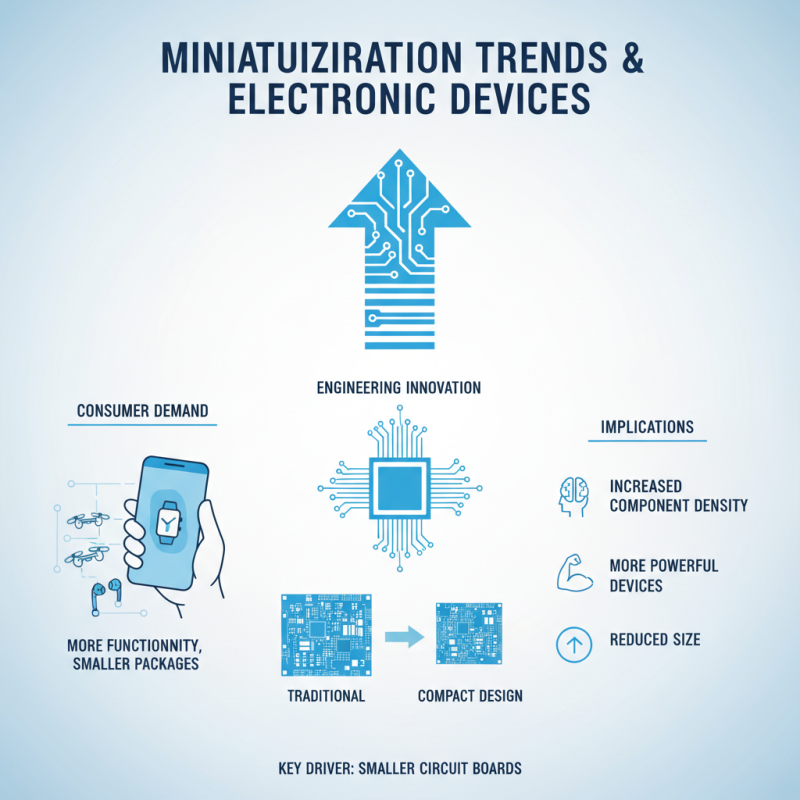
Miniaturization Trends and Their Implications for Electronic Devices
Miniaturization is reshaping the landscape of electronic devices. As consumers demand more functionality in smaller packages, engineers are pushed to innovate. The advent of smaller circuit boards is a key driver behind this trend. These compact designs allow for increased density of components, which translates to more powerful devices without increasing their size.
However, this trend comes with challenges. Managing heat dissipation is a major concern. As components become smaller, they often generate more heat in tighter spaces. Engineers must find ways to implement effective thermal management solutions. This can include using advanced materials or innovative cooling technologies. Additionally, the complexity of these miniaturized boards can lead to manufacturing difficulties. The precision required for assembly increases, which can affect production times and costs.
Moreover, the implications for device reliability must be considered. Smaller components may face increased stress and fatigue. This raises questions about long-term performance and durability. Addressing these issues requires collaboration among engineers, designers, and manufacturers. A focus on robust design will be crucial as we navigate the challenges presented by miniaturization.
The Role of Artificial Intelligence in Circuit Board Production Processes
Artificial Intelligence (AI) is reshaping circuit board production processes. By streamlining design and manufacturing, AI enhances efficiency. According to recent industry reports, AI can reduce production time by 30%. This optimization comes from improved design simulations and automated testing.
Predictive maintenance is another significant benefit. AI algorithms analyze machine performance data to prevent failures. Reports indicate that this approach can lower downtime by up to 40%. Yet, reliance on AI raises concerns about over-automation. Some experts argue that human oversight remains crucial for quality assurance. It is important to balance AI's advantages with potential risks.
As the industry embraces AI, challenges persist. Data security emerges as a primary concern. With interconnected machines, the risk of cyberattacks increases. Companies must prioritize robust cybersecurity measures. Additionally, workforce training becomes essential. Employees need new skills to work alongside AI tools effectively. Addressing these issues is vital for sustainable growth in circuit board production.
Advancements in Testing and Quality Assurance for Circuit Boards
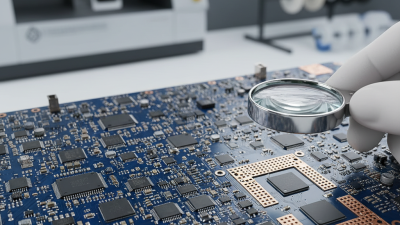
As circuit boards become more complex, testing and quality assurance have evolved significantly. Advanced techniques are now essential in ensuring reliability. Traditional methods are no longer adequate for the latest designs. Automated testing is a key player in this evolution. It allows for faster and more accurate assessments. Advanced algorithms analyze performance, identifying faults early in the process.
Quality assurance is not just a formality; it is a critical component of the development cycle. Engineers must consider real-world conditions during testing. Stress tests simulate extreme environments. These insights can reveal hidden weaknesses in the design. However, challenges remain. Some tests can be time-consuming and expensive. It’s important to balance thoroughness with efficiency.
New technologies such as AI play a role in improving these processes. Machine learning can help predict potential failures. Yet, human oversight is still vital. Experience often uncovers issues that algorithms might miss. Continuous improvement is crucial in testing standards. Every project provides lessons that refine future practices. The path forward may be complex, but it is clear that advancements in testing enhance reliability.
2026 Top Circuit Board Trends: Advancements in Testing and Quality Assurance