Top 10 Electronics PCB Manufacturing Companies You Should Know?
The electronics PCB manufacturing industry is a vital sector driving innovation and technology. According to a recent market report by Industry Research, the global PCB market is projected to reach $85 billion by 2026. This growth can be attributed to the rising demand for electronic devices across various sectors. However, the competition among companies is intense.
Experts like Dr. Emily Chen, a leading figure in electronics PCB manufacturing, highlight the complexities faced by manufacturers. She states, "The key to success lies in balancing quality and cost." This balance is crucial as companies strive to enhance their capabilities while managing expenses.
Many manufacturers still struggle with efficiency and reliability. Addressing these challenges is necessary to maintain competitiveness. Additionally, with technological advancements, the demand for smaller and more efficient PCBs is increasing. Companies must adapt quickly or risk falling behind. The landscape of electronics PCB manufacturing is constantly evolving, necessitating both innovation and strategic thinking.
Overview of PCB Manufacturing Industry: Trends and Growth Projections
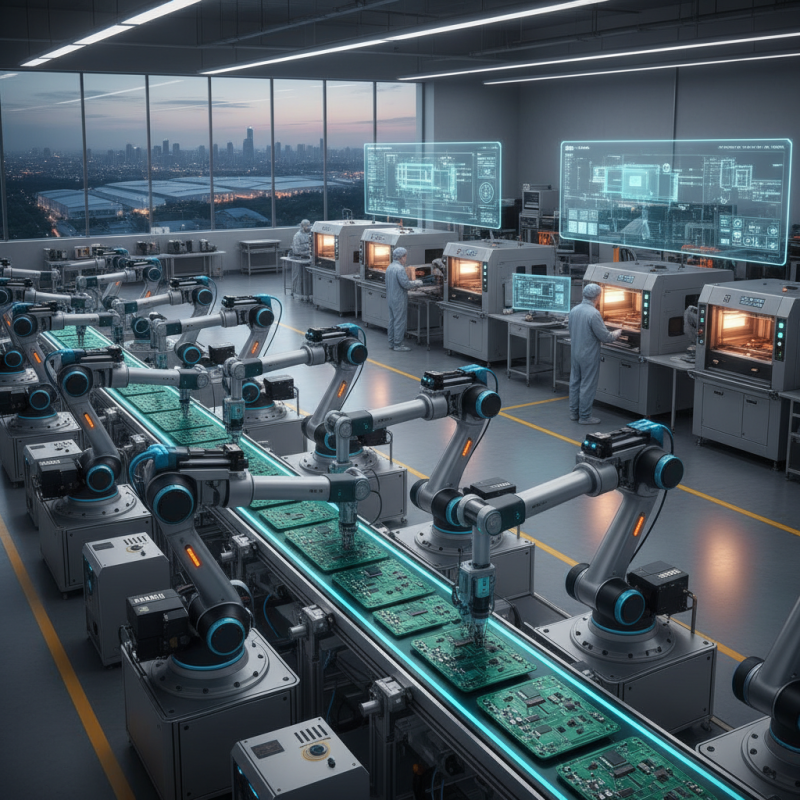
The PCB manufacturing industry is evolving rapidly. Many companies are noticing a shift towards more complex designs. These designs enhance functionality but also add challenges. The demand for thinner, lighter devices is pushing manufacturers to innovate. Companies are adapting by improving their production processes. They are adopting new technologies to meet these needs. Sustainability has become a focal point as well. More firms are exploring eco-friendly materials and processes.
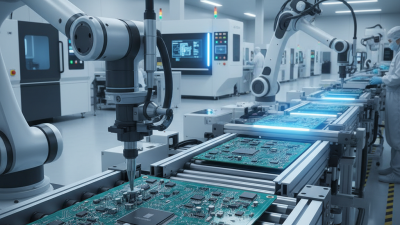
Growth projections indicate a promising future for the industry. The global push for advanced electronics fuels demand. However, supply chain disruptions pose significant challenges. Manufacturers must be agile and resilient. They need to overcome raw material shortages and logistic issues. Companies are investing in automation to increase efficiency. This can reduce human error but may also lead to job losses. Balancing technology and workforce considerations is critical.
Furthermore, trends like miniaturization are critical. Consumers expect smaller, yet more powerful devices. This places immense pressure on PCB manufacturers. They must ensure high quality while meeting tight deadlines. Reassessing production methods regularly is essential. Companies should identify areas for improvement and waste reduction. Embracing these evolving trends is key to staying competitive in a crowded market.
Key Factors Driving the Success of Leading PCB Manufacturers
The success of leading PCB manufacturers is driven by several key factors. First, technological innovation plays a crucial role. Manufacturers are constantly adapting to new technologies, including advanced materials and automated production processes. Reports indicate that the global PCB market is projected to reach over $80 billion by 2025, primarily due to increased demand for electronics.
Quality control is another significant factor. Effective quality assurance processes ensure that PCB products meet stringent industry standards. This not only enhances product reliability but also builds customer trust. In a recent study, 72% of electronic companies emphasized the importance of reliable PCBs in product performance.
Tips: Always assess a manufacturer’s quality control measures. Look for certifications and track records. Seek feedback from existing clients when possible. Partnerships with research institutions can also help manufacturers stay ahead of trends. Building strong supplier relationships is essential, yet many companies overlook this aspect.
Lastly, sustainability is increasingly relevant. Leading manufacturers are adopting eco-friendly practices. They are using green materials and energy-efficient manufacturing processes. This not only benefits the environment but also attracts eco-conscious clients. However, many manufacturers struggle to balance sustainability with cost-effectiveness, creating an ongoing challenge.
Top 10 Electronics PCB Manufacturing Companies - Key Factors Driving Success
Comparative Analysis of PCB Manufacturing Techniques and Technologies
PCB manufacturing is evolving rapidly. Recent reports indicate that the global PCB market is projected to reach $80 billion by 2025. This significant growth highlights the importance of understanding various manufacturing techniques. Different methods, such as through-hole technology and surface mount technology, each have unique advantages and drawbacks.
Through-hole technology offers strong connections, making it ideal for durable applications. However, it can be more labor-intensive and less space-efficient. On the other hand, surface mount technology allows for higher circuit density. It can improve performance but may lead to issues with heat dissipation.
These factors challenge manufacturers in meeting diverse customer needs.
To optimize production, advances in PCB technologies are critical. For instance, high-frequency PCBs require precise manufacturing processes. Industry analyses suggest that many companies struggle with balancing quality and cost-effectiveness. The challenge remains: how to adopt innovative techniques while meeting stringent quality standards? As the demand for advanced electronics rises, this will be crucial for PCB manufacturers to consider in their strategic planning.
Market Share Data and Financial Performance of PCB Giants in 2023
The PCB industry has seen significant growth in 2023. Many companies are competing fiercely for market share. Financial performance varies widely among these players. Some companies report strong revenue growth, while others struggle to keep up. This volatility makes the landscape complex and unpredictable.
Investors often seek specific data to gauge a company’s health. Revenue figures and profit margins are key indicators. However, not every company meets expectations. Some may invest heavily in R&D but fail to translate that into sales. This disconnect poses risks for stakeholders.
Market share data reveals shifts in industry dynamics. Companies with innovative technologies tend to outperform their peers. Still, reliance on a few large clients can be problematic. If those clients face challenges, so does the manufacturer. This interdependence warrants careful evaluation of financial reports and market strategies.