Top 10 Flexible PCB Manufacturing Companies in China for Innovative Solutions?
In today's rapidly evolving technology landscape, flexible PCB manufacturing has emerged as a game-changer. Experts like Dr. Emily Chen, a leading authority in electronics manufacturing, state, "Flexible PCBs pave the way for innovation across multiple industries." This statement underscores the significance of adaptability in design and production.
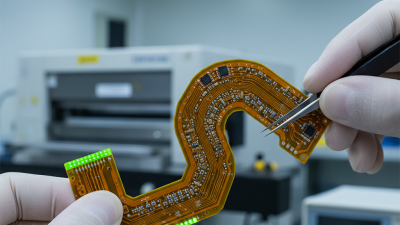
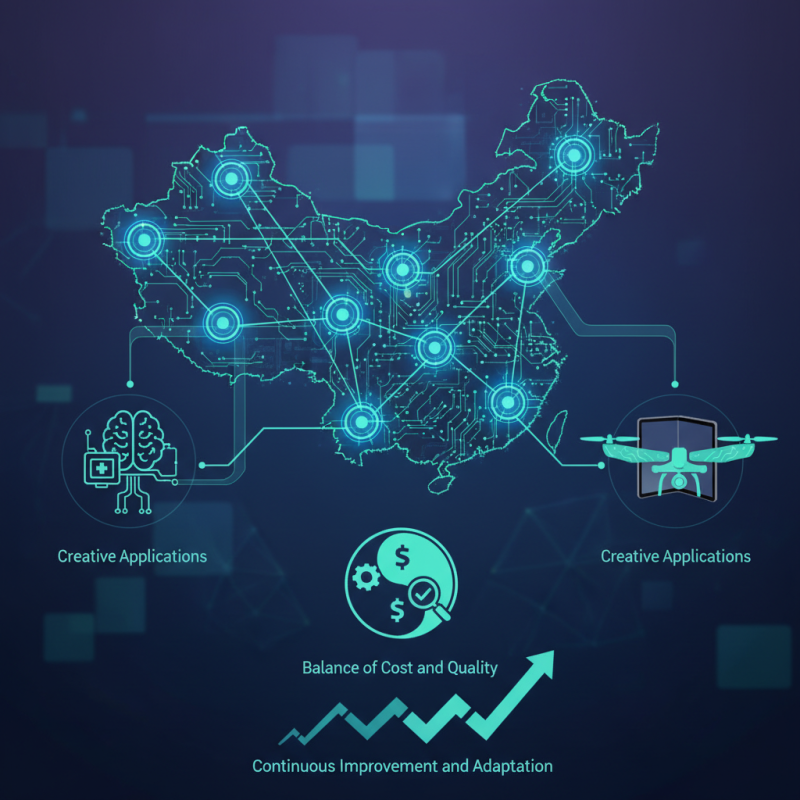
The flexibility of these printed circuit boards allows for creative applications in various fields, such as medical devices and consumer electronics. Many companies in China are at the forefront, providing innovative solutions to meet market demands. The precision and versatility of flexible PCBs enable engineers to develop compact devices that can withstand dynamic environments.
However, the industry faces challenges. Companies must balance cost and quality in a competitive market. Not every manufacturing process is perfect. Issues can arise from material selection to compliance with international standards. Continuous improvement and adaptation are crucial for success in flexible PCB manufacturing. Ultimately, understanding these dynamics can lead to smarter choices and advancements in technology.
Overview of Flexible PCB Manufacturing in China
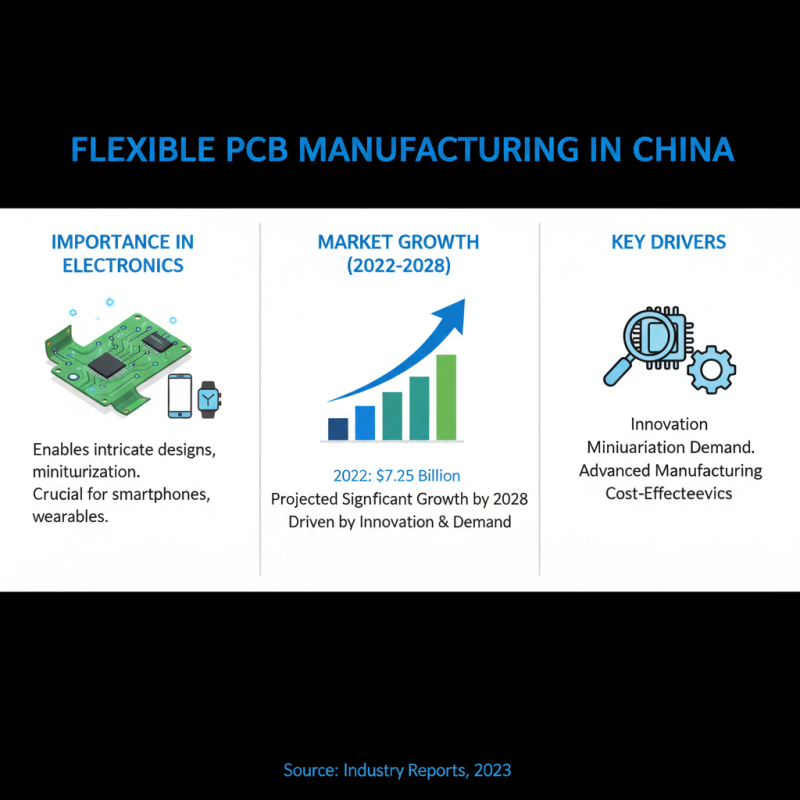
Flexible printed circuit boards (PCBs) are pivotal in modern electronics. They enable intricate designs, important for devices like smartphones and wearable tech. The flexible PCB market in China is growing rapidly, driven by innovation and demand for miniaturization. According to industry reports, the market was valued at approximately $7.25 billion in 2022 and is projected to grow significantly by 2028.
Manufacturers in China focus on advanced techniques and materials. They employ polyimide substrates for higher thermal stability, contributing to a reliable performance. Reports suggest that nearly 60% of flexible PCBs are now produced using automated processes, which enhances precision. However, the sourcing of high-quality materials remains a challenge. Some manufacturers struggle with consistency, leading to variable performance and potential reliability issues.
Despite these hurdles, Chinese companies are making strides in sustainability. Many are exploring eco-friendly materials. The demand for these sustainable solutions is on the rise, indicating a shift in industry standards. Verification of these practices is crucial, yet often overlooked. Ensuring that manufacturers genuinely adhere to sustainable practices can enhance their credibility. Flexible PCBs continue to define the future of electronics, but quality control is paramount for sustainable growth.
Key Factors Influencing Flexible PCB Manufacturers
The landscape of flexible PCB manufacturing in China is shaped by several key factors. One major influence is technological advancement. Many manufacturers continuously invest in R&D. Reports suggest that companies allocating about 10% of their revenue to innovation see higher growth rates. These investments drive improvements in production efficiency and product quality.
Another important factor is supply chain management. Effective sourcing of raw materials impacts both cost and reliability. A flexible PCB manufacturer with strong supplier relationships can reduce delays and ensure better material quality. For example, companies that build close partnerships with material suppliers often report a 15% decrease in production lead times.
Additionally, regulatory compliance plays a crucial role. Adhering to international standards is not optional. Companies must regularly update their processes to meet evolving safety standards. Inadequate compliance can lead to costly penalties and product recalls. Manufacturers focusing on quality assurance often achieve better market credibility. Therefore, settling for outdated practices can hinder growth and innovation in the competitive flexible PCB market.
Top Companies in China's Flexible PCB Market
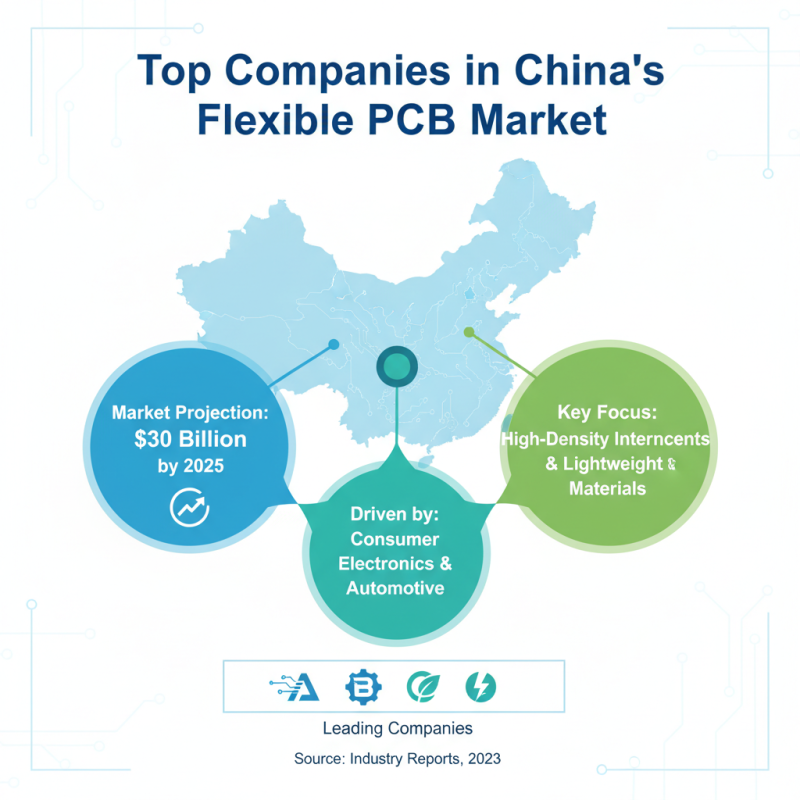
China's flexible PCB market is rapidly evolving, reflecting a growing demand for innovation in electronics. Reports indicate that the flexible printed circuit board market in China is projected to reach $30 billion by 2025, driven by the expansion of consumer electronics and automotive applications. As the market expands, companies are increasingly focusing on high-density interconnects and lightweight materials.
In this context, many manufacturers prioritize flexibility and reliability. The shift towards miniaturization in devices prompts a need for advanced manufacturing techniques. Leading companies in China invest heavily in R&D, aiming to enhance product capabilities. This focus results in products that meet the rigorous requirements of industries such as healthcare and telecommunications.
Challenges remain, however. Quality control and supply chain issues can hinder production efficiency. Continuous advancements in technology sometimes outpace manufacturing capabilities. Flexibility in design should not compromise reliability; finding a balance is essential. As the industry progresses, it will be crucial for manufacturers to reassess their strategies to stay relevant and competitive.
Innovative Technologies in Flexible PCB Production
The landscape of flexible PCB production is evolving rapidly. New technologies are enabling manufacturers to create more complex and efficient designs. These advancements are crucial for industries that demand lightweight and durable components.
Innovative materials like polyimide are being used to enhance flexibility and thermal stability.
Automation plays a significant role in modern production processes. It reduces human error and increases efficiency. Many companies adopt automated systems for precise cutting and layering. However, the challenge lies in integrating these technologies without sacrificing quality. Continuous refinement is necessary to ensure that production meets the highest standards.
Sustainability is another key focus. Manufacturers are exploring eco-friendly materials and processes. This shift reflects a growing awareness of environmental impacts. Yet, some companies still grapple with balancing innovation and sustainability. This ongoing tension underscores the need for more effective solutions and practices in the flexible PCB industry.
Future Trends in Flexible PCB Manufacturing Industry
The flexible PCB manufacturing industry is rapidly evolving. According to a recent report by Research and Markets, the global flexible PCB market is projected to grow at a CAGR of 10.1% from 2022 to 2027. This growth is driven by the demand for lightweight and compact electronic devices. Consumer electronics, automotive applications, and wearables are key sectors pushing this trend.
Future trends highlight innovation in materials, such as improved substrates and advanced laminates. These enhancements enable higher thermal stability and flexibility. Companies are investing in automation technologies to increase production efficiency. Adopting smart manufacturing practices is essential for reducing costs and improving quality control.
Tip: When considering flexible PCB solutions, prioritize manufacturers who emphasize quality certifications. Ensuring compliance with industry standards will lead to better performance and reliability.
The integration of IoT and flexible PCBs is a significant step. Reports suggest that integrating flexible circuits into smart devices allows for unprecedented designs. However, the challenge remains in managing complex designs without compromising performance.
Tip: Always assess the prototype phase carefully. It helps to identify potential issues early in the process, minimizing costly revisions later on.
Top 10 Flexible PCB Manufacturing Companies in China - Production Capacity